Bedouin Culture and History: The Nomadic Heritage of the Arab World
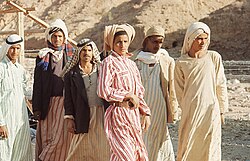
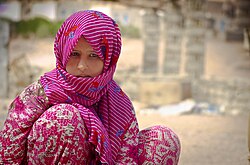
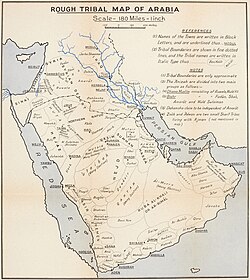
The Bedouin (from the Arabic badw) are nomadic Arab peoples who have historically inhabited the vast desert expanses of the Arabian Peninsula, the Levant, and North Africa. With a global population estimated at 25 million, they represent a resilient cultural legacy defined by a deep connection to the land, a complex tribal social structure, and a history of adaptation to some of the harshest environments on Earth.
Traditionally, Bedouin life revolved around the movement of livestock and the mastery of desert survival. Their society is built upon kinship and tribal loyalty, where oral poetry and ancestral traditions serve as the primary vessels for history and law. While many have transitioned to settled lives in the modern era, the Bedouin identity remains a powerful force in the cultural landscape of the Middle East and North Africa.
Key Facts
- Total Population: Approximately 25 million people.
- Primary Regions: Arabian Peninsula, Levant, and North Africa.
- Language: Bedouin Arabic.
- Religion: Predominantly Sunni Islam, with a minority of Shia Islam and historical presence of Arab Christian Bedouins.
- Core Traditions: Animal herding, oral poetry, and a historical practice of raiding known as ghazw.
The Evolution of Bedouin Society
Traditions and Social Structure
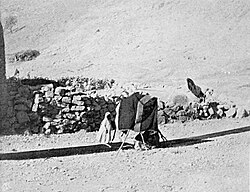
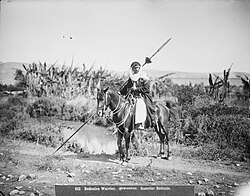
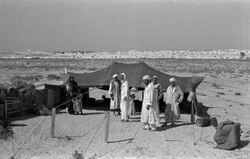
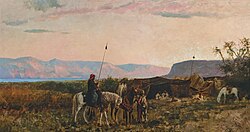
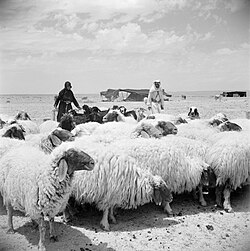
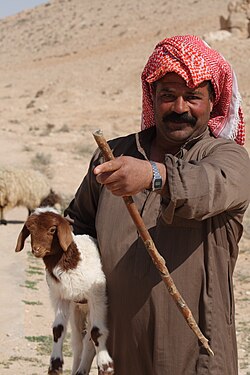
Bedouin society is fundamentally tribal. Historically, their economy was based on herding and the strategic movement between water sources. Beyond survival, they developed a rich intellectual tradition of oral poetry, which documented tribal lineages and heroic deeds. One of the more complex social aspects was the ghazzu (raiding), which in some contexts functioned less as total war and more as a ritualized game where livestock, such as camels and goats, were the primary prizes.
The Transition to Sedentarization
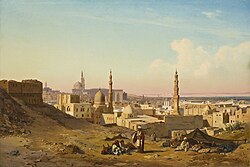
Sedentarization—the process of nomadic people settling into permanent residences—accelerated in the late 19th and 20th centuries. This shift was driven by several factors:
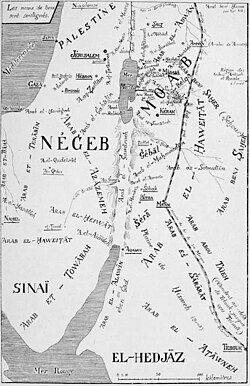
- Political Pressure: Ottoman authorities forced sedentarization to establish better state control and law and order, particularly in the Negev.
- Environmental Crisis: Severe droughts, such as the one in Syria between 1958 and 1961, made traditional herding unsustainable.
- Global Policy: The Arab League and the United Nations encouraged settlement, often viewing nomadic lifestyles as "backward."
- Economic Opportunity: Many Bedouins voluntarily moved to cities to seek higher standards of living and stable employment.
Regional Presence and Demographics
Bedouin populations are distributed across numerous countries, with the highest concentrations found in Sudan, Algeria, and Saudi Arabia. Their presence varies from fully integrated citizens to displaced communities.
| Country | Estimated Population |
|---|---|
| Sudan | 10,000,000 |
| Algeria | 2,000,000–6,000,000 |
| Saudi Arabia | 2,000,000 |
| Iraq | 1,500,000 |
| Syria | 1,500,000 |
| Jordan | 1,300,000 |
| Libya | 1,000,000 |
| Egypt | 1,000,000 |
| UAE | 800,000 |
| Israel | 220,000 |
The Bedouin in the Levant and Israel
In Israel, Bedouins are primarily located in the Negev (150,000), the Galilee (50,000), and the central region (10,000). While Galilee Bedouins have been settled for four centuries, Negev Bedouins have faced significant challenges regarding land recognition. The 2011 Prawer plan sought to relocate 30,000 to 40,000 Negev Bedouins to government-approved townships, a move that drew criticism from the European Parliament.
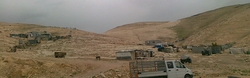
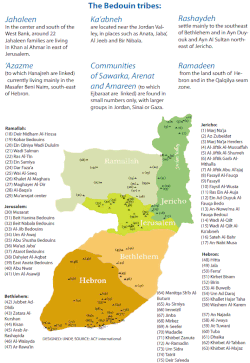
In the West Bank, approximately 40,000 Bedouins reside, many of whom were relocated from the Negev in 1953. These communities often face pressure from the expansion of Israeli settlements. In Gaza, smaller Bedouin communities exist, such as those in Om al-Nasr.
North Africa and the Maghreb
In the Maghreb region, Bedouin dialects vary by group and location. The Sulaym dialects are found in Libya and southern Tunisia, while the Hilal dialects are spread across central Tunisia, eastern Algeria, and the Atlantic plains of Morocco. The Maqil dialects are predominantly spoken in western Algeria and Morocco.
Historical Milestones
![Arab Christian Bedouin woman from the settled town of Kerak, Jordan, who probably was the wife of a sheikh. Braids were predominantly worn by Arab Christian Bedouin women of the tribes of Jordan.[17]](/images/c2/5c/c25c7823f41408090f519b54d958f0f1ba0695ff884b94fe8dbfa4b6f0f9b4da.jpg)
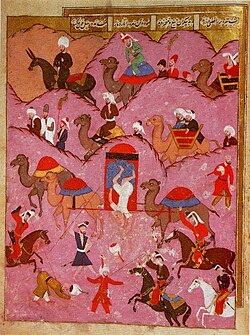
The history of the Bedouin is marked by both conflict and discovery. In 1757, a massive raid on a Hajj caravan led by Qa'dan al-Fayez of the Bani Sakher tribe resulted in the deaths of an estimated 20,000 pilgrims, partly as retaliation for unpaid protection fees and exacerbated by a severe drought in 1756.
Conversely, Bedouin contributions to history include the discovery of the Dead Sea Scrolls in 1946. Bedouin shepherds found these ancient Jewish texts in the caves of Qumran, providing some of the most significant archaeological finds of the 20th century.
Frequently Asked Questions
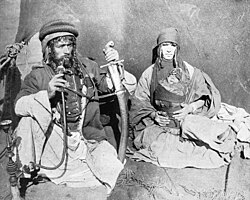
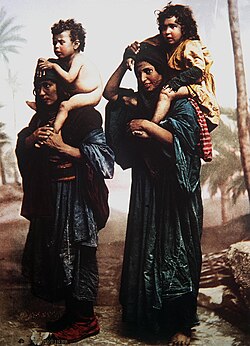
![A significant percentage[vague] of Jordanian Christians are ethnically Bedouin. The picture shows a Bedouin Christian family belonging to the Hijazeen tribe in Karak in 1895](/images/d1/42/d14288fde8dd1ddfa1322b6a0306af7449c80e979aed762fd5d0bfa72177b0f7.jpg)
What is the difference between Bedouin and Bedoon?
Bedouin refers to the nomadic Arab ethnic group with a rich cultural heritage. Bedoon refers to stateless people in certain Middle Eastern countries who lack formal citizenship.
What was the purpose of the ghazzu?
While often translated as raiding, the ghazzu was frequently a ritualized activity or "game" intended to capture livestock like camels and goats rather than to wage total war.
Why did the Bedouin stop being nomadic?
The transition to a settled life was caused by forced sedentarization policies by governments (such as the Ottomans), severe droughts that destroyed herding grounds, and the desire for modern standards of living.
Are there Christian Bedouins?
Yes, there is a historical and existing presence of Arab Christian Bedouins, particularly among certain tribes in Jordan, such as the Hijazeen in Karak.
What is the Prawer plan?
The Prawer plan was a 2011 Israeli government economic development plan that proposed relocating tens of thousands of Negev Bedouins from unrecognized areas into government-approved townships.