Bavaria: The History, Culture, and Governance of Germany's Free State
The Free State of Bavaria (Freistaat Bayern) is one of Germany's most distinct and influential states. Located in the southeast of the country, it is renowned for its breathtaking Alpine landscapes, a powerful industrial economy, and a deeply rooted cultural identity that often balances a strong sense of Bavarian pride with its role within the German federation.
From the bustling metropolis of Munich to the serene peaks of the Alps, Bavaria blends traditional heritage with cutting-edge innovation, making it a central pillar of European politics and commerce.
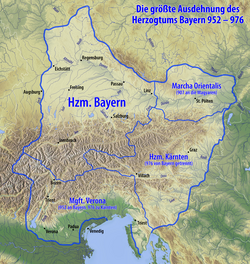
Key Facts
- Capital: Munich (the largest city).
- Population: Approximately 13.4 million (as of 2023), the second-largest in Germany.
- Economy: A GDP of €824.243 billion (2025) with a per capita GDP of €62,212.
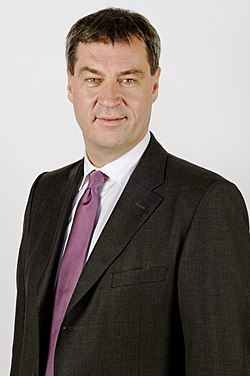
- Government: Led by Minister-President Markus Söder of the CSU.
- Geography: Total area of 70,541.58 km², featuring the Bavarian Alps.
- HDI: 0.967 (Very High), ranking 4th among German states.
Historical Evolution and Identity
Bavaria's history is marked by a long pursuit of autonomy. While it has been part of various larger entities, a separate national identity remains strong. Many residents consider themselves "Bavarians" first and "Germans" second.
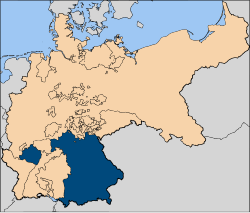
The region existed as an independent Kingdom of Bavaria from 1806 to 1871. When it joined the Prussia-dominated German Empire in 1871, Bavarian nationalists sought to preserve the state's Catholic character and independence. While most modern Bavarians accept their place within the Federal Republic of Germany, a small minority, such as the Bavaria Party, continues to emphasize separatist sentiments.
Geography and Administrative Structure
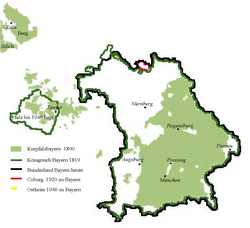
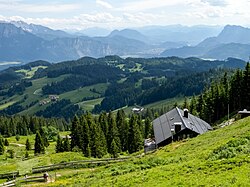
Bavaria is characterized by diverse terrain, ranging from the rolling hills of the north to the dramatic peaks of the Bavarian Alps in the south, which border Austria's Tyrol region.
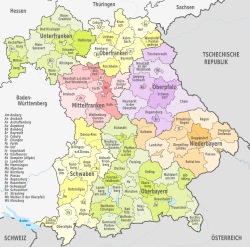
Administratively, the state is divided into several regions and districts to manage its vast territory and population.
Administrative Regions
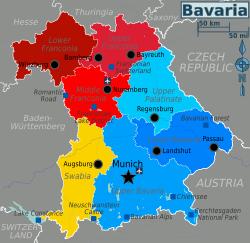
The state is broadly categorized into three historical and cultural areas:
- Altbayern (Old Bavaria): Comprising Upper Bavaria, Lower Bavaria, and the Upper Palatinate.
- Franconia: Comprising Upper, Middle, and Lower Franconia.
- Swabia: Comprising the Swabia region.
Regional Breakdown
| District (Bezirk) | Capital | Population | Area (km²) | Municipalities |
|---|---|---|---|---|
| Upper Bavaria | Munich | 4,764,548 | 17,530 | 500 |
| Swabia | Augsburg | 1,933,313 | 9,992 | 340 |
| Middle Franconia | Ansbach | 1,795,909 | 7,245 | 210 |
| Lower Franconia | Würzburg | 1,318,817 | 8,531 | 308 |
| Lower Bavaria | Landshut | 1,259,204 | 10,330 | 258 |
| Upper Palatinate | Regensburg | 1,121,379 | 9,691 | 226 |
| Upper Franconia | Bayreuth | 1,055,758 | 7,231 | 214 |
Politics and Governance
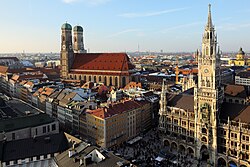
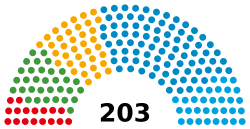
Bavaria is governed by the Landtag (State Parliament). The current executive branch is led by Minister-President Markus Söder of the Christian Social Union (CSU), with the CSU and Free Voters (FW) serving as the governing parties.
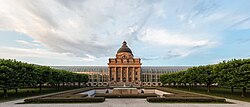
The state's political structure includes a State Chancellery and various specialized ministries covering portfolios such as Digital Affairs, Justice, Finance, and Education and Culture.
Economy and Demographics
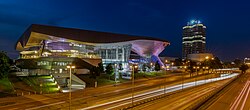
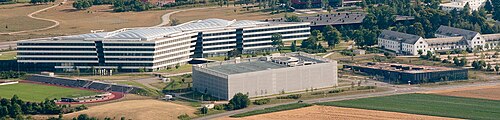
Bavaria is an economic powerhouse, hosting some of the world's most recognized brands. Munich serves as a hub for technology and automotive engineering, while other cities like Herzogenaurach are home to global sportswear giants.
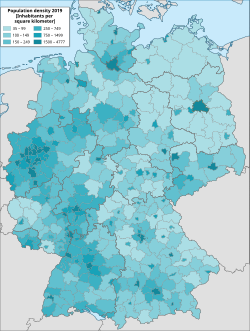
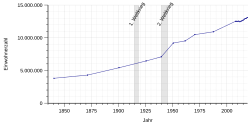
The state has seen steady population growth over the last century, evolving from roughly 3.8 million people in 1840 to over 13 million today. This growth is supported by a high standard of living and a robust job market, though unemployment rates have fluctuated, reaching a low of 2.8% in 2018.
Demographic Composition
Bavaria is a multicultural state with significant immigrant populations. As of 2023, the largest foreign-born communities include citizens from Romania, Turkey, and Ukraine.
Culture, Religion, and Language
Religion plays a significant role in Bavarian life, though adherence has shifted over time. While Catholicism was dominant in 1970 (70.4%), as of 2020, 46.9% of the population identifies as Catholic. Other groups include Protestants (17.2%), Muslims (4.0%), and Orthodox Christians (3.0%), with 28.9% identifying as irreligious or other.
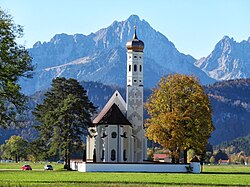
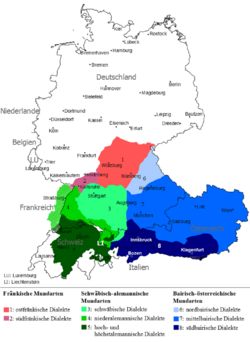
The linguistic landscape is equally rich. While standard German is the official language, Austro-Bavarian dialects are widely spoken, contributing to the region's unique cultural flavor.
Bavarian culture is also defined by its culinary traditions, most notably Schweinsbraten (roast pork) and Nürnberger Rostbratwürste (Nuremberg sausages), as well as a world-famous brewing tradition.
Frequently Asked Questions
What is the capital of Bavaria?
The capital and largest city of Bavaria is Munich.
Who is the current leader of the Bavarian government?
The current Minister-President of Bavaria is Markus Söder of the CSU.
What are the main administrative regions of Bavaria?
Bavaria is divided into Altbayern (Upper Bavaria, Lower Bavaria, and Upper Palatinate), Franconia (Upper, Middle, and Lower Franconia), and Swabia.
Is Bavaria an independent country?
No, Bavaria is a state (Free State) within the Federal Republic of Germany, although it was an independent kingdom from 1806 to 1871.
What is the primary religion in Bavaria?
Catholicism is the most prevalent religion, with 46.9% of the population identifying as Catholic as of 2020.