Munich: The Cultural and Economic Heart of Bavaria
Munich, known in Bavarian as Minga, is a global city that seamlessly blends royal heritage with cutting-edge innovation. As the capital of the Free State of Bavaria, it serves as a powerhouse of finance, technology, and the arts. From the historic cobblestones of the Altstadt to the futuristic curves of the BMW Welt, Munich offers a unique juxtaposition of tradition and modernity.
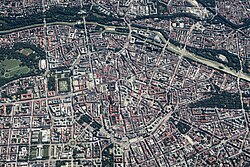
The city is geographically positioned in Upper Bavaria, characterized by its proximity to the Alps and the Isar River. With a city population of approximately 1.5 million and an urban population exceeding 2.6 million as of late 2024, it is one of Germany's most significant metropolitan hubs.
Key Facts
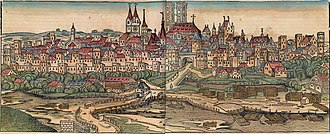
- First Mentioned: 1158
- Administrative Status: Capital of Bavaria, Urban District
- Key Landmarks: Frauenkirche, Munich Residenz, Nymphenburg Palace
- Major Events: Oktoberfest (world's largest beer festival)
- Economic Drivers: Technology, Finance, and Automotive (BMW)
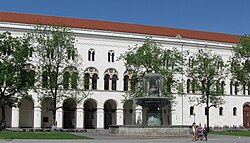
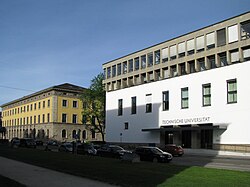
- Education: Home to LMU Munich and the Technical University of Munich (TUM)
Historical Evolution
Munich's journey from a medieval settlement to a global city is marked by periods of immense growth and profound tragedy. Early records date the city back to 1158, eventually evolving into the capital of a reunited Bavaria.
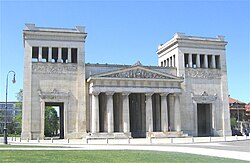
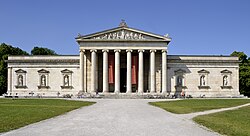
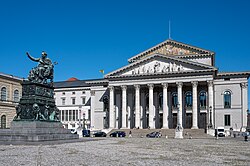
During the 19th century, under the reign of King Ludwig I, the city underwent a neoclassical transformation. The construction of buildings like the Propylaea earned Munich the nickname "Athens on the Isar" due to its architectural homage to Greek antiquity.
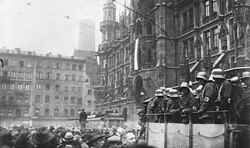
The 20th century brought significant turmoil. Munich was a focal point of political unrest, most notably during the 1923 Beer Hall Putsch, a failed coup attempt led by Adolf Hitler and Erich Ludendorff. The city suffered devastating losses during World War II, with much of the city center destroyed by 1945. However, the post-war era saw a rapid and meticulous reconstruction of the Old Town and the development of modern infrastructure.
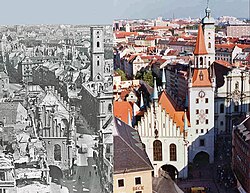
Architecture and Urban Landscape
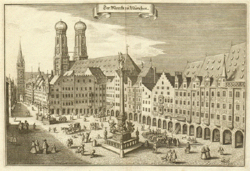
The architectural identity of Munich is diverse, spanning several centuries of design philosophy.
The Old Town and Royal Residences
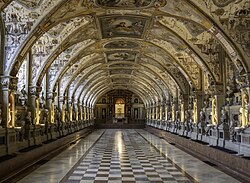
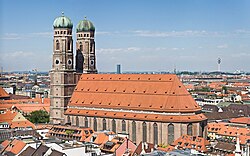
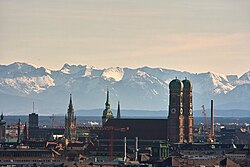
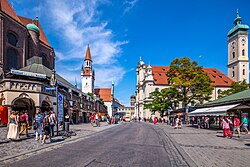
The heart of the city is defined by the Altstadt, featuring the Frauenkirche (consecrated in 1494) and the Munich Residenz. The Residenz's Antiquarium stands as a testament to Renaissance grandeur.
Modernism and High-Rises
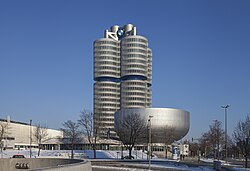
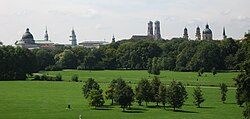
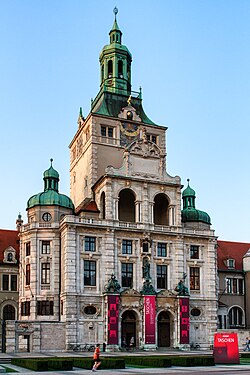
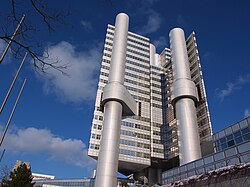
Transitioning into the 20th century, Munich became a hub for Jugendstil (Art Nouveau). Today, the skyline is punctuated by modern landmarks such as the HypoVereinsbank tower and the unique BMW Headquarters, which is notable for being constructed from the top down.
Culture, Arts, and Leisure
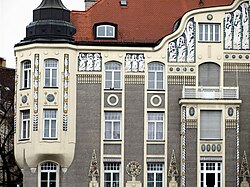
Munich is globally recognized for its vibrant cultural scene, ranging from world-class museums to traditional folk festivals.
Museums and Science
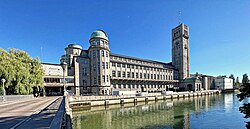
The city hosts the Deutsches Museum, the world's largest museum of science and technology, as well as the Glyptothek, which houses an extensive collection of Greek and Roman sculptures.
Traditions and Festivals
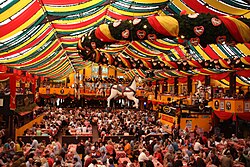
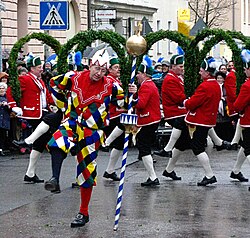
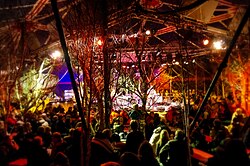
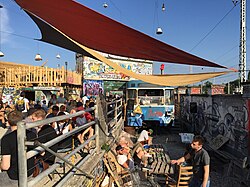
No discussion of Munich is complete without Oktoberfest, which attracts roughly seven million visitors annually. Beyond the beer tents, the city maintains traditions like the Schäfflertanz (Coopers' Dance) and hosts contemporary events like the Tollwood Festival.
Sports and Recreation
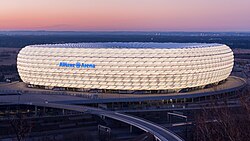
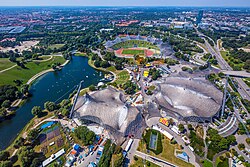
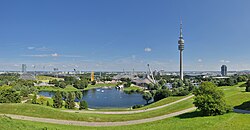
Munich is a sporting mecca. The Allianz Arena, the second-largest stadium in Germany, is the home of FC Bayern Munich. The Olympiapark, built for the 1972 Olympic Games, remains a central venue for athletics and public leisure.
Economy and Education
Munich is a leading center for research and industry. It is home to prestigious institutions such as LMU Munich (founded in 1472) and the Technical University of Munich (TUM). The city's commitment to science is further bolstered by the presence of the Max Planck Society and the German Aerospace Center (DLR).
The economic landscape is a mix of traditional finance and a thriving startup scene, with companies like Teamwire and Experteer contributing to the city's technological growth.
Transport and Infrastructure
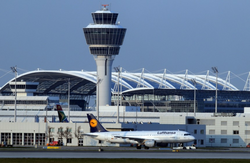
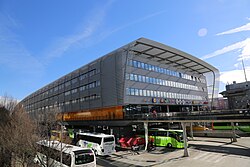
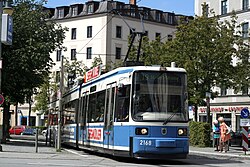
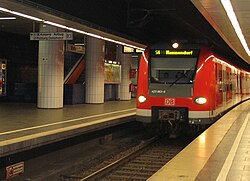
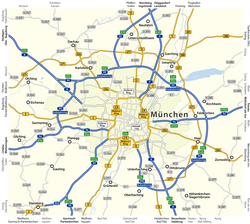
The city boasts a highly efficient transport network. Public transit is dominated by the S-Bahn, U-Bahn, and a comprehensive tram system. For international travel, the Munich International Airport (MUC) serves as a primary gateway to Europe.
City Overview Summary
| Category | Details |
|---|---|
| Population (City) | 1,505,005 (2024) |
| Area | 310.71 km² |
| Elevation | 520 m |
| Key Industries | Automotive, Technology, Finance |
| Major Airport | Munich International Airport (MUC) |
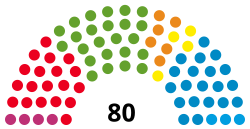
| Governing Body | Lord Mayor (Dominik Krause) |
Frequently Asked Questions
What is the significance of the 'Athens on the Isar' nickname?
Munich earned this nickname due to the neoclassical architecture commissioned by King Ludwig I, which sought to emulate the grandeur and intellectual spirit of ancient Greece.
How large is the Oktoberfest?
Oktoberfest is the world's largest beer festival, typically attracting around seven million visitors every year.
What are the primary universities in Munich?
The two most prominent institutions are LMU Munich (Ludwig Maximilian University) and the Technical University of Munich (TUM).
Which sports teams are most prominent in the city?
FC Bayern Munich is the most famous sports entity, playing their home matches at the Allianz Arena.
What is the climate like in Munich?
Munich experiences a temperate climate with distinct seasons. Average annual precipitation is approximately 939.7 mm, with cold winters that often see snowfall and warm summers with mean maximums reaching around 24.9°C in July.