Battle of Megiddo: The Decisive Allied Victory in World War I
The Battle of Megiddo, fought between September 19 and 25, 1918, stands as one of the most comprehensive victories of the First World War. Occurring in the Vilayet of Beirut, this offensive saw the Allied Powers—primarily the British Empire—shatter the forces of the Ottoman Empire and its German military advisors. Through a masterclass in deception, air superiority, and coordinated cavalry maneuvers, General Edmund Allenby's forces effectively ended Ottoman resistance in the region.
The conflict was the culmination of years of struggle in the Middle Eastern theatre, evolving from the early defense of the Suez Canal to a sweeping offensive that would eventually lead to the capture of Damascus.
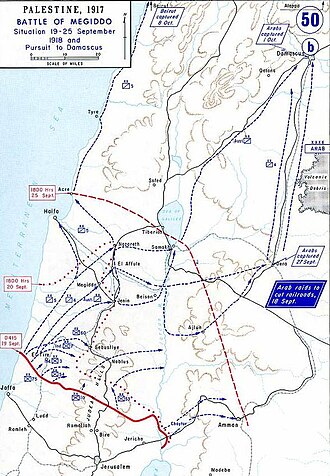
Key Facts
- Date: 19–25 September 1918.
- Outcome: Decisive Allied victory; destruction or surrender of the majority of Ottoman forces.
- Allied Command: General Edmund Allenby leading the Egyptian Expeditionary Force (EEF).
- Ottoman Command: Liman von Sanders leading the Yildirim Army Group.
- Strategic Edge: Total Allied air supremacy and the strategic disruption caused by the Arab Revolt.
- Major Result: The collapse of the Ottoman Seventh and Eighth Armies and the subsequent fall of Damascus.
Strategic Background and Reorganization
Following early setbacks in the First and Second Battles of Gaza in 1917, the British Egyptian Expeditionary Force (EEF) underwent a massive reorganization during the summer of 1918. General Allenby integrated British, Indian, Australian, New Zealand, and South African troops to create a versatile force capable of both set-piece infantry attacks and rapid cavalry pursuits.
Simultaneously, the Arab Northern Army, led by Emir Feisal and supported by T.E. Lawrence, operated east of the Jordan River. This force, consisting of regulars and irregulars, received significant British financial subsidies—growing from £30,000 to £220,000 per month—and military hardware to harass Ottoman communications and supply lines.
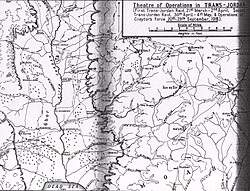
The Blueprint for Victory
Allenby's Plan and Deception
Allenby's strategy focused on a massive breakthrough along the coast. He massed four infantry divisions of the XXI Corps on a narrow 8-mile front to pierce the Ottoman lines. Once the breach was made, the Desert Mounted Corps was tasked with sweeping north to capture key railway junctions and headquarters, effectively trapping the enemy.
The Role of Air Supremacy
A critical component of the victory was the undisputed air supremacy held by the Royal Air Force (RAF) and the Australian Flying Corps. By late August, Ottoman and German reconnaissance aircraft were almost entirely neutralized. This "blinded" the Ottoman command, preventing them from seeing the Allied troop concentrations hidden in orange groves and plantations.
The Offensive Unfolds
Opening Strikes and Communication Collapse
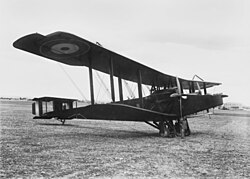
The battle began with strategic sabotage. On September 16, T.E. Lawrence and his forces destroyed railway lines around Daraa. On September 19, a single Handley Page O/400 heavy bomber struck the telephone exchange and railway station at Al-Afuleh, severing communications between Liman von Sanders' headquarters and his armies for two critical days.
The Breakthrough and Encirclement
At 4:30 am on September 19, a massive artillery barrage involving 385 guns and naval support from destroyers hit the Ottoman front lines at Nahr el Faliq. The infantry broke through rapidly, allowing the Desert Mounted Corps to surge north. By September 20, Allied forces had captured Afulah, Beisan, and Jenin, cutting off the retreat of thousands of Ottoman soldiers.
The Destruction of the Seventh Army
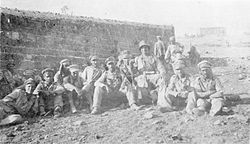
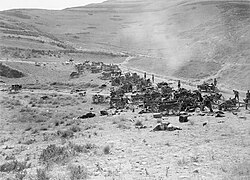
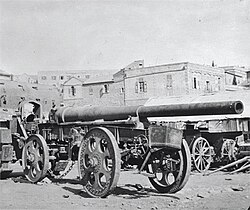
The most dramatic collapse occurred on September 21, when the retreating Ottoman Seventh Army was spotted in a defile west of the Jordan River. RAF aircraft conducted relentless bombing and strafing runs every three minutes. In just one hour, the column was routed, leaving behind a six-mile stretch of wreckage including 87 guns and hundreds of wagons.
The Road to Damascus
Following the collapse of the western armies, the Ottoman Fourth Army attempted a retreat toward Daraa and Irbid. However, they were harassed by aircraft and defeated by Chaytor's Force. The 5th and Australian Mounted Divisions pushed across the Golan Heights, eventually surrounding Damascus. On October 1, the city fell, resulting in the capture of 20,000 prisoners and the flight of Jemal Pasha.
| Category | Allied Powers (EEF & Arab) | Central Powers (Ottoman/German) |
|---|---|---|
| Infantry | ~89,000 (including Arab regulars) | ~40,598 (front-line) |
| Mounted Troops | ~15,000 | Not specified |
| Artillery | ~942 guns | 402 guns |
| Casualties | 1,164 killed/missing; 4,179 wounded | Massive (only 6,000 escaped capture) |
Frequently Asked Questions
Why was air superiority so important in this battle?
Air superiority allowed the Allies to blind the Ottoman command. Because German and Ottoman reconnaissance planes were shot down or intimidated, they could not detect the true location of Allenby's troop concentrations, making the Allied deceptions successful.
What role did T.E. Lawrence play?
T.E. Lawrence coordinated Arab irregulars and tribesmen to destroy vital railway infrastructure, specifically around Daraa. This disrupted the Ottoman supply lines and communications, contributing to the overall chaos of the Ottoman retreat.
How did the Desert Mounted Corps contribute to the victory?
The cavalry provided the speed necessary to exploit the infantry's breakthrough. They rapidly seized key strategic points like Afulah and Beisan, encircling the Ottoman armies and preventing an organized retreat.
What was the significance of the Handley Page O/400 bomber?
The Handley Page O/400 was used to strike critical infrastructure, such as the Al-Afuleh telephone exchange. By cutting the lines of communication between the high command and the field armies, it dislocated the Ottoman command structure at the start of the offensive.
What happened to the Ottoman Seventh Army?
The Seventh Army was effectively destroyed by the RAF. While retreating through a defile, they were subjected to continuous aerial bombing and strafing, resulting in a total rout and the loss of nearly all their equipment.