Basra: The Historic Venice of the East
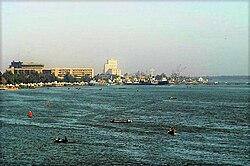
Known as the Venice of the East, Basra is a major metropolis in southern Iraq, serving as a critical gateway between the Mesopotamian plains and the Persian Gulf. Founded in 636 AD as a military camp, the city evolved into a global hub of trade, commerce, and intellectual pursuit during the Islamic Golden Age. Its strategic location along the Shatt al-Arab waterway has made it both a prosperous commercial center and a focal point of geopolitical conflict for centuries.
Today, Basra remains the third-largest city in Iraq, blending a rich architectural heritage—characterized by its traditional Shanasheel houses—with modern industrial infrastructure that powers the nation's economy.
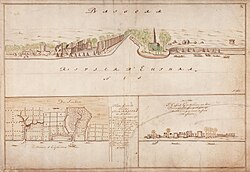
Key Facts
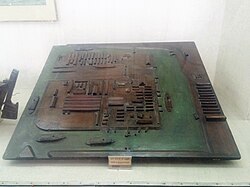
- Founded: 636 AD as a military camp.
- Nickname: Venice of the East.
- Location: Along the Shatt al-Arab, approximately 55 km from the Persian Gulf.
- Population: Approximately 1,485,000 (2024).
- Climate Extreme: Recorded a high of 53.9°C (129.0°F) in July 2016.
- Economic Role: Iraq's economic capital and primary oil export hub.
A Journey Through History
Early Islamic Era and the Golden Age
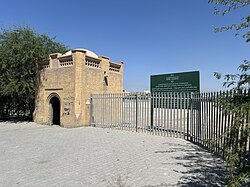
Basra was established during the Rashidun Caliphate and quickly became a center of knowledge. It is home to the first mosque built outside the Arabian Peninsula. During the Abbasid Caliphate, the city flourished as a regional hub of learning; notably, governor Sanad al-Dawla al-Habashi established a library containing 15,000 books. However, this era also saw the city serve as a center for the slave trade in Mesopotamia until the Zanj rebellion in 871.
Imperial Shifts and Foreign Rule
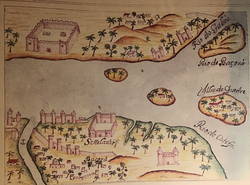
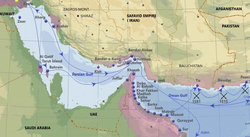
The city's strategic value led to numerous changes in sovereignty. In 1258, Basra was sacked by the Mongols. By 1526, it came under Portuguese control, followed later by the Ottoman Empire as part of the Basra Eyalet. The city remained a contested prize between the Turks and Persians for centuries.
The 20th Century and Modern Conflict
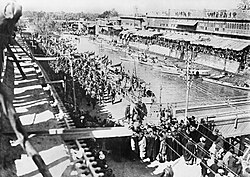
During World War I, British forces captured Basra in 1914. Following the establishment of Mandatory Iraq in 1921 and subsequent independence in 1932, the city's growth continued, with the University of Basrah founded in 1964. However, the latter half of the century was marked by devastation. The Iran–Iraq War saw the city besieged and heavily shelled, causing half the population to flee. Further damage occurred during the Gulf War and the 2003 invasion, where Basra was the first city captured by the UK and US-led coalition.
Geography and Urban Landscape
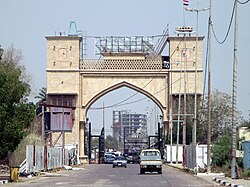
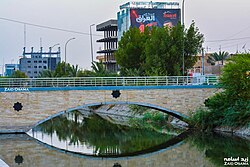
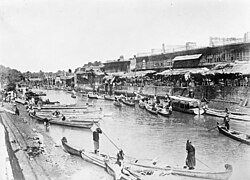
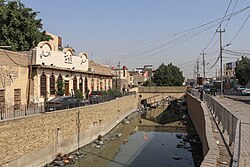
Basra is defined by its relationship with water. The city is penetrated by a complex network of canals and streams used for irrigation and transport. While these waterways once facilitated the movement of goods, pollution and falling water levels have hindered navigation in recent decades.
Architecture and Culture
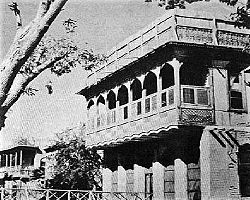
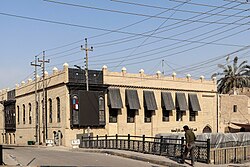
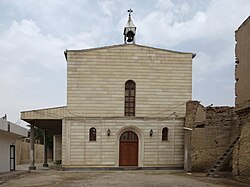
The old part of the city is famous for its Shanasheel—traditional enclosed wooden balconies that provide ventilation and privacy. The city's diverse history is also reflected in its religious sites, including the Armenian Church, which dates back to 1736.
Climate and Environment
Basra experiences some of the most extreme temperatures on Earth. In July 2016, the city recorded 53.9°C (129.0°F), the highest temperature ever recorded in Iraq. The climate is characterized by scorching summers and mild winters, with the lowest recorded temperature reaching −4.7°C (23.5°F) in 1964.
| Metric | Winter (Jan) | Summer (Jul) | Annual Average/Record |
|---|---|---|---|
| Mean Daily Max Temp | 18.7°C (65.7°F) | 47.0°C (116.6°F) | Record High: 53.9°C |
| Mean Daily Min Temp | 8.3°C (46.9°F) | 30.7°C (87.3°F) | Record Low: -4.7°C |
| Avg Precipitation | 26.9 mm | 6.6 mm | Peak: October (130.8 mm) |
| Avg Relative Humidity | 66.3% | 21.8% | Annual Mean: 40.6% |
Economy and Infrastructure
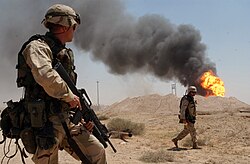
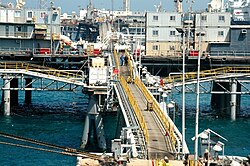
Basra is the economic engine of Iraq, primarily due to its massive oil reserves and export capabilities. The Al Basrah Oil Terminal and the Rumaila oil field are central to the nation's wealth. Beyond oil, the city is investing in massive infrastructure projects, including the Grand Faw Port, intended to be one of the largest in the Middle East.
Transport and Sports
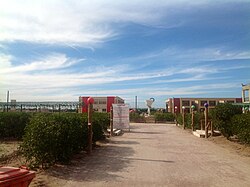
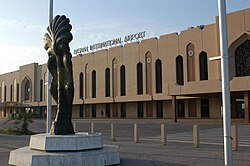
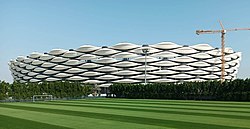
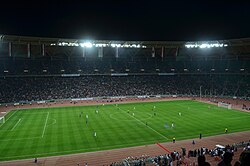
The city is served by the Basra International Airport and a network of bridges crossing the Shatt al-Arab. In recent years, Basra has emerged as a sports hub, hosting the 25th Arabian Gulf Cup in 2023 at the Jith Al-nakhla Stadium.
Demographics and Society
Historically, Basra was a multicultural melting pot. In the 1930s, the Jewish community made up nearly 10% of the population, though most emigrated between 1941 and 1951. Today, the city remains a center for Shia Muslims and hosts a small community of Christians, including refugees from northern Iraq.
Frequently Asked Questions
Why is Basra called the "Venice of the East"?
The nickname stems from the city's extensive network of canals and streams that historically allowed for the transport of people and goods throughout the urban landscape, similar to the canals of Venice.
What is the significance of the Shanasheel?
Shanasheel are traditional wooden balconies found in old Basra. They are architectural hallmarks of the city, designed to provide shade and airflow while maintaining privacy for the residents.
How extreme is the weather in Basra?
Basra is one of the hottest places on the planet. It holds the Iraqi record for the highest temperature ever recorded at 53.9°C (129.0°F), with summer nights often remaining exceptionally warm.
What is the primary driver of Basra's economy?
The economy is dominated by the oil industry, with the city serving as the primary exit point for Iraqi oil via the Al Basrah Oil Terminal and the production of the Rumaila oil field.
Which major sports event did Basra recently host?
Basra hosted the 25th Arabian Gulf Cup in 2023, where the Iraqi national team emerged as the winners.