Iraq: A Journey Through the Cradle of Civilization to a Modern Republic
Iraq, officially the Republic of Iraq, is a land of profound historical depth and strategic importance. Often referred to as the cradle of civilization, it is the site where some of humanity's earliest urban societies emerged. Today, it stands as a federal parliamentary republic, balancing a rich, multicultural heritage with the challenges and opportunities of the 21st century.
Key Facts
![The Shanidar Cave, where the remains of eight adult and two infant Neanderthals, dating from around 65,000–35,000 years ago were found[39][40]](/images/7f/9b/7f9be350f0b741c9ef1ab9b94b7d9a0b594908c31a55d4100309d78838b9b3be.jpg)
- Capital: Baghdad (the largest city).
- Official Languages: Arabic and Kurdish.
- Government: Federal parliamentary republic under confessionalism.
- Population: Approximately 46,118,793 (2024 census).
- Currency: Iraqi dinar (IQD).
- Primary Economy: Heavily driven by oil and energy exports.
- Major Ethnic Groups: Arabs (75–80%) and Kurds (15–20%).
A Legacy of Ancient Civilizations
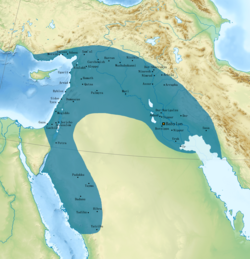
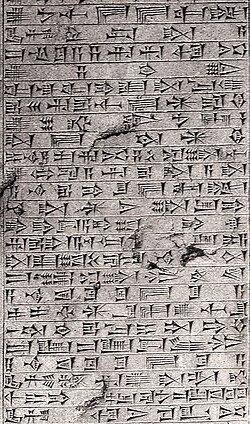
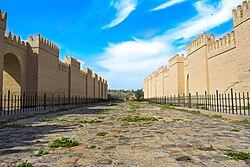
The history of Iraq is synonymous with the rise of the world's first great empires. The region's development began with Sumer around 3300 BC, followed by the Akkadian Empire (c. 2334 BC), the powerful Assyrian state (c. 2025 BC), and the legendary Babylonia (c. 1890 BC). These civilizations introduced foundational elements of human society, including writing, law, and urban planning.
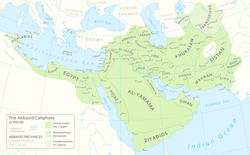
During the Middle Ages, Iraq became the heart of the Islamic Golden Age under the Abbasid Caliphate, with its capitals in Baghdad and Samarra. This era was marked by immense intellectual growth and architectural splendor. Later periods saw the influence of Mamluk Iraq and the eventual transition to the Mandate of Mesopotamia in 1920.
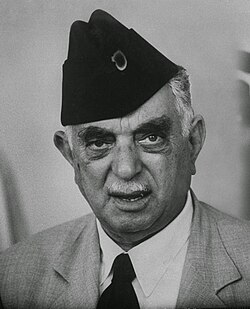
Iraq declared its independence on October 3, 1932, and transitioned to a republic on July 14, 1958. The modern era has been shaped by the Ba'athist period, the 2003 invasion, and a subsequent period of insurgency and civil war, leading to the current constitution adopted on October 15, 2005.
Geography and Environment
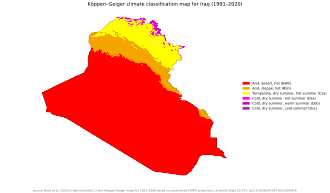
Iraq spans a total area of 438,317 square kilometers. Its landscape is diverse, ranging from the rugged mountains of the north to the fertile alluvial plains of the south. The region's climate is categorized under the Köppen–Geiger climate classification, characterized by significant variations between the highlands and the desert regions.
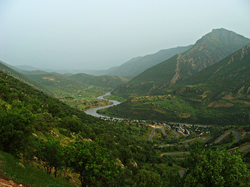
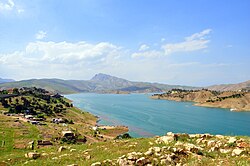
Water is a critical resource in Iraq, with the Tigris and Euphrates rivers serving as the lifeblood of the nation. The Great Zab flows through the northern valleys, contributing to the region's biodiversity and agricultural capacity.
Government, Politics, and Diplomacy
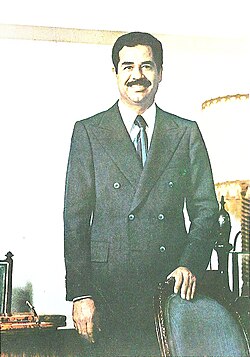
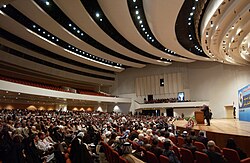
Iraq operates as a federal parliamentary republic. The legislative branch is the Council of Representatives, which consists of a lower house (Council of Representatives) and an upper house (Federation Council). The government utilizes a system of confessionalism to ensure representation across different religious and ethnic groups.
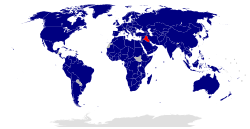
On the international stage, Iraq maintains diplomatic relations with a wide array of states, seeking to balance its geopolitical interests while rebuilding its infrastructure and security apparatus.
Economy and Infrastructure
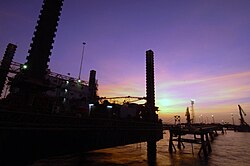
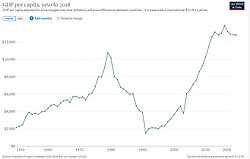
The Iraqi economy is one of the most significant in the Arab world, largely due to its vast oil reserves. The Khawr Al Amaya Oil Terminal is a key piece of infrastructure for the export of these resources. Recent estimates place the nominal GDP at approximately $264.784 billion (2026 estimate).
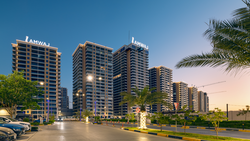
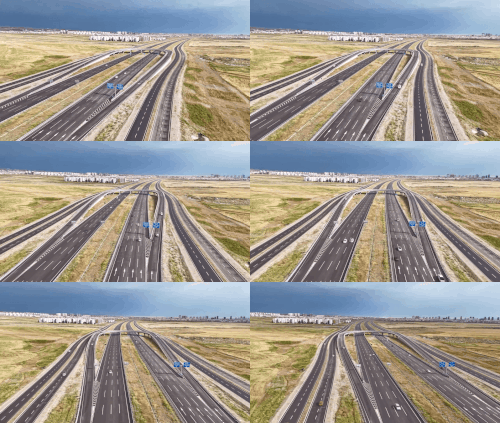
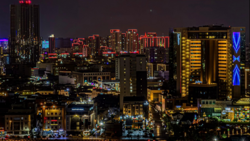
Beyond oil, Iraq is investing heavily in urban development and transport. Projects like the 150 Meter Motorway in Erbil and the Amwaj Residential Towers in Baghdad signal a push toward modernization. The government is also pursuing the construction of new cities and the expansion of the Grand Faw port to enhance trade.
Demographics and Society
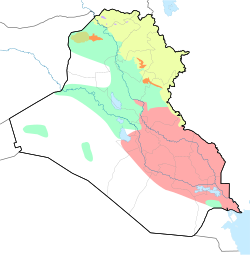
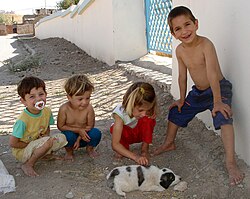
Iraq is a mosaic of ethnicities and religions. While the majority are Arabs and Kurds, the country is home to Assyrians, Turkmen, Yazidis, Mandaeans, and others. Islam is the official religion, with a majority Shia population (61%) and a significant Sunni minority (35%).
Education and health are areas of ongoing development. The government has recently focused on expanding educational facilities, including the opening of hundreds of model schools through international frameworks.
Culture and the Arts
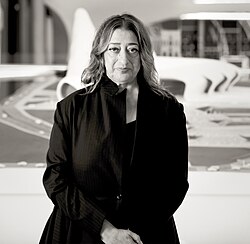
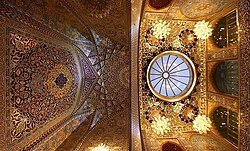
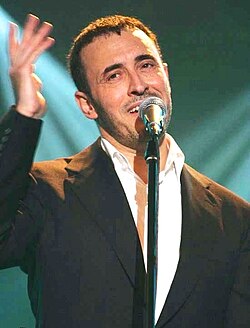
Iraqi culture is a blend of ancient Mesopotamian, Islamic, and modern influences. In architecture, the country is represented by both ancient ruins and modern visionaries like the acclaimed architect Zaha Hadid. The arts continue to thrive, from the traditional illustrations of Wasiti to the contemporary success of singers like Kadim Al Sahir.
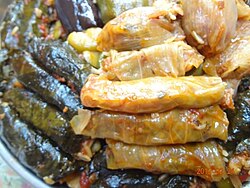
Cuisine is another pillar of Iraqi identity, with dishes such as Dolma remaining popular staples of the Iraqi household.
Summary of Iraq's National Profile
| Category | Detail |
|---|---|
| Official Languages | Arabic, Kurdish |
| Population (2024) | 46,118,793 |
| GDP (Nominal 2026 Est.) | $264.784 Billion |
| HDI (2024) | 0.712 (High) |
| Major Cities | Baghdad, Mosul, Basra, Erbil |
Frequently Asked Questions
![Wasiti's illustrations served as an inspiration for the modern Baghdad art movement in the 20th-century.[319]](/images/bf/c0/bfc0c8cedf273149c949d11a51df9a7545e2fd742503a69bffc0174aa108313a.jpg)
![Facade of Temple at Hatra near Mosul was declared World Heritage Site by UNESCO in 1985[325]](/images/20/8c/208ccd4678f3b3bf816e644514221ccaa831aaf2e5720f9180d7ffd2160c8b1c.jpg)
What are the official languages of Iraq?
The official languages of Iraq are Arabic and Kurdish, though other regional languages such as Assyrian, Armenian, and Turkmen are also recognized.
What is the primary driver of Iraq's economy?
Iraq's economy is primarily driven by its oil and energy sector, which makes it one of the top economies in the Arab world.
Which ancient civilizations originated in Iraq?
Iraq is the birthplace of several foundational civilizations, including Sumer, the Akkadian Empire, Assyria, and Babylonia.
What is the current form of government in Iraq?
Iraq is a federal parliamentary republic that employs a system of confessionalism to ensure diverse ethnic and religious representation.
What are the largest cities in Iraq?
Baghdad is the largest city and the capital, followed by other major urban centers such as Mosul, Basra, and Erbil.