Bacterial Taxonomy: The Science of Classifying Microbial Life
Bacterial taxonomy is the specialized field of science dedicated to the classification of bacteria into organized taxonomic ranks. This systematic approach allows scientists to categorize vast numbers of microbial specimens based on shared characteristics, evolutionary history, and genetic similarity. While focused on bacteria, these same governing rules are applied to archaeal taxonomy, ensuring a consistent framework for all prokaryotic life.
The foundation of this system rests on the scientific classification established by Carl Linnaeus. In this model, every species is assigned to a genus, creating a two-part name. This binomial nomenclature represents the two lowest levels of a hierarchy that expands into increasingly larger groupings. At the broadest level are the domains; currently, all life is divided into three: Bacteria, Archaea, and Eukaryotes.
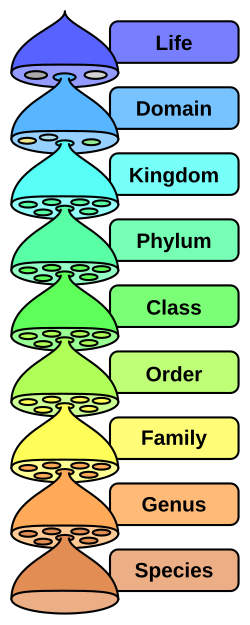
Key Facts
- Three Domains: All life is categorized into Bacteria, Archaea, and Eukaryotes.
- Binomial Nomenclature: Species are identified by a two-part name consisting of their genus and species.
- Classification Basis: Modern taxonomy relies on a mix of phenotypic traits, genetic sequencing (such as 16S rRNA), and whole-genome analysis.
- Candidatus: This term is used for well-studied bacteria that cannot yet be grown in a laboratory culture.
- Nomenclature Rules: Specific suffixes are used to denote ranks (e.g., "-ota" for phyla and "-ales" for orders).
The Evolution of Microbial Classification
The history of bacterial taxonomy has shifted from simple physical descriptions to complex molecular analysis. Early classifications were based on morphology—the shape and structure of the cell.
Early Morphological Groups
In the 19th century, bacteria were often grouped by their appearance. For example, Vibrio (comma-shaped), Bacillus (rod-shaped), and Spirochaeta (spiral-shaped) were among the first described. Early systems also distinguished between Gymnomoneren (those without an envelope) and Lepomoneren (those with an envelope). Interestingly, some early "bacteria" like Protogenes and Protamaeba were later reclassified as eukaryotes.
![Tree of Life in Generelle Morphologie der Organismen (1866)[10]](/images/40/7c/407cbf4e3692c1f373982e68c97d456e961ee866269abe2d1e5d3181c568a8d8.png)
The Impact of Gram Staining
The introduction of Gram staining provided a more functional way to group bacteria based on their cell wall properties. This led to informal groups such as the Gracilicutes (Gram-negative) and Firmicutes (Gram-positive). While these categories were useful for medicine, they were often based on phenotypic expression rather than true evolutionary lineage.
The Molecular Era and the Three-Domain System
The most significant shift occurred with the advent of molecular biology. Carl Woese and his colleagues revolutionized the field by using genetic sequencing to reveal that "archaic bacteria" were fundamentally different from true bacteria. This led to the establishment of the three-domain system, separating Bacteria and Archaea as distinct domains of life, both separate from Eukaryota.
![Phylogenetic tree showing the relationship between the archaea and other forms of life. Eukaryotes are colored red, archaea green and bacteria blue. Adapted from Ciccarelli et al.[44]](/images/ee/3d/ee3df85b7baeb2e28bd79bb1df7ead134850b9488f7fe1993b09c28abe8c74ac.png)
Modern Taxonomic Framework and Nomenclature
Today, bacterial taxonomy is governed by strict nomenclature rules to ensure global consistency. The name of a phylum is typically derived from its type genus, using specific suffixes to indicate the rank.
Taxonomic Rank Suffixes
| Rank | Suffix | Example |
|---|---|---|
| Phylum | -ota | Elusimicrobiota |
| Class | -ia | Elusimicrobia |
| Order | -ales | Elusimicrobiales |
| Family | -aceae | Elusimicrobiaceae |
| Genus | (None) | Elusimicrobium |
Identification and Analysis Methods
To accurately place a bacterium within this hierarchy, scientists use several analytical layers:
- Phenotypic Analysis: Examining growth conditions on agar plates and fatty acid compositions.
- Genetic Analysis: Utilizing DNA-DNA hybridization, GC ratios, and DNA profiling.
- Phylogenetic Analysis: The gold standard involves 16S rRNA-based phylogeny, multi-gene sequence analysis, and whole-genome sequencing.
Global Distribution and Culture Collections
Because bacteria are microscopic and often fragile, the scientific community relies on international culture collections to store and distribute type strains. These institutions ensure that researchers worldwide are studying the same specimens.
- ATCC: American Type Culture Collection (USA)
- DSMZ: Deutsche Sammlung von Mikroorganismen und Zellkulturen (Germany)
- NCTC: National Collection of Type Cultures (UK)
- JCM: Japan Collection of Microorganisms (Japan)
Frequently Asked Questions
What is the difference between a basonym and a synonym?
A basonym is the original name given to a taxon before it was reclassified into a new combination. A synonym occurs when the same taxon is erroneously described twice under different names.
Why is the term "Candidatus" used in bacterial naming?
The term Candidatus is assigned to bacteria that are well-characterized and known through genetic sequencing but cannot yet be grown in a pure laboratory culture.
How does bacterial taxonomy differ from zoological taxonomy?
While both use a hierarchical structure, bacterial taxonomists typically name types based on descriptions of strains, whereas zoologists use a physical type specimen.
What are the three domains of life?
The three domains are Bacteria (true prokaryotes), Archaea (prokaryotes with distinct molecular characteristics), and Eukaryota (organisms with complex cells containing a nucleus).