Bab al-Nasr: The Historic Gate of Victory in Aleppo
Standing as a testament to the enduring strength of one of the world's oldest continuously inhabited cities, Bab al-Nasr (Arabic: بَاب النَّصْر), known as the Gate of Victory, is a monumental landmark in Aleppo, Syria. As one of the nine primary gates of the ancient city walls, it has served for centuries as a critical entry point and a symbol of the city's resilience.
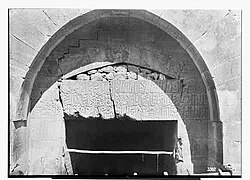
Key Facts
- Official Name: Bab al-Nasr (Gate of Victory).
- Location: Northern side of the Ancient City of Aleppo, Syria.
- Completion Date: 1212.
- Architectural Style: Islamic architecture.
- Patron: Rebuilt and renamed by az-Zahir Ghazi.
- Current Status: Restored as of 2018.
Historical Development and Architecture
The current structure of Bab al-Nasr was completed in 1212 under the direction of az-Zahir Ghazi. During this period, the gate was rebuilt and renamed, establishing itself as the most significant northern entrance to the walled city. The gate is a prime example of Islamic architecture, designed to provide both defensive security and a grand aesthetic presence.
Over the centuries, the gate underwent several modifications. During the Ottoman era, the structure was partially altered to suit the needs of the time. Later, in the mid-20th century, the role and surrounding context of the gate were influenced by the urban planning initiatives of French administrators.
Conflict and Restoration
The Syrian civil war brought significant challenges to the cultural heritage of Aleppo. According to reports from UNESCO, Bab al-Nasr sustained "moderate" damage during the conflict. Despite these setbacks, the gate became a focal point for local recovery efforts.
In 2018, a local committee successfully completed restoration work on the gate, ensuring that this vital piece of Syrian history was preserved for future generations. This restoration marked a significant step in the broader effort to rebuild the Ancient City of Aleppo.
| Feature | Details |
|---|---|
| Type | City Gate |
| Style | Islamic Architecture |
| Completed | 1212 |
| Renovated | 2018 |
| Owner/Patron | az-Zahir Ghazi |
| Coordinates | 36°12′14″N 37°09′38″E |
Frequently Asked Questions
What does Bab al-Nasr mean?
Bab al-Nasr translates from Arabic to English as the "Gate of Victory."
Who was responsible for the construction of the gate in 1212?
The gate was rebuilt and renamed by az-Zahir Ghazi in 1212, becoming the city's most important northern gate.
How many main gates were there in the ancient walls of Aleppo?
There were nine main historical gates in the ancient city walls of Aleppo, of which Bab al-Nasr is one.
What happened to the gate during the Syrian civil war?
The gate suffered moderate damage during the conflict, as documented in UNESCO reports.
When was Bab al-Nasr most recently restored?
The gate was restored by a local committee in 2018.