Australian Seed Bank Partnership: Preserving Native Biodiversity
Australia is home to a unique array of flora, much of which faces severe threats from habitat loss, fragmentation, and the degradation caused by invasive species. To combat these challenges, the Australian Seed Bank Partnership has emerged as a critical alliance dedicated to safeguarding the nation's botanical heritage. By focusing on the preservation of approximately 1,700 native plant species and ecological communities, this partnership provides a vital insurance policy against extinction.
Key Facts
- Goal: To save roughly 1,700 native plant species and ecological communities.
- Structure: An alliance of 12 organizations, including nine seed banks and three flora-focused organizations.
- Core Pillars: Collecting, research, supporting restoration, and sharing knowledge.
- Key Partner: The Australian Grains Genebank, which focuses on crop wild relatives.
- Impact: Successful preservation of native plants and the rediscovery of species previously thought extinct in the wild.
The Structure of the Partnership
The Australian Seed Bank Partnership operates as a collaborative network of 12 organizations. This alliance is strategically divided into two primary roles to ensure a comprehensive approach to conservation. Nine of these organizations function as seed banks, focusing on the physical storage and long-term conservation of seeds. The remaining three are flora-focused organizations that bridge the gap between researchers, seed collectors, and policymakers, while managing on-ground restoration and conservation activities.
One of the most prominent members of this alliance is the Australian Grains Genebank, which plays a pivotal role in maintaining the genetic diversity of agricultural precursors.
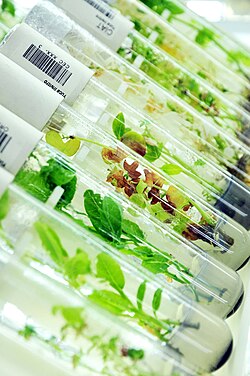
Core Operational Pillars
The partnership achieves its conservation goals through four fundamental operational concepts:
1. Collecting
The collection of native seeds is a collaborative effort involving non-profit institutions, community groups, and various organizations. This process is essential for creating a future-proof reserve of flora, especially during periods of environmental stress. Experts conduct seasonal field trips following rigid protocols to recognize, clean, and store seeds. Crucially, they record detailed metadata, including the time of collection, soil type, and associated vegetation, which is fundamental for future conservation efforts.
2. Research
Research is central to ensuring that seeds remain viable over long periods. Scientists work to determine the specific requirements for different seed categories, such as precise temperature controls or the specific light and moisture cues required for germination (the process by which a plant grows from a seed).
3. Supporting Restoration
By recording comprehensive data on native crops, the partnership informs the restoration of degraded landscapes and plant communities. This application of scientific knowledge to the field has led to the discovery of new species and the rediscovery of those once believed to be extinct in the wild.
4. Sharing Knowledge
To foster a deeper understanding of seed science across Australia, the partnership shares its findings and methodologies with restoration practitioners, community groups, and other conservation seed banks.
The Australian Crop Wild Relatives Project
A significant collaboration exists between the Australian Seed Bank Partnership and the Australian Grains Genebank through the Australian Crop Wild Relatives project. This initiative focuses on ex-situ collection (the preservation of biological diversity outside its natural habitat).
The project aims to store 32 wild crop species at the Australian Grains Genebank facilities. By preserving these wild relatives, researchers can develop new plant varieties that are essential for the future resilience and development of Australian agriculture.
Partnership Summary
| Component | Primary Function | Key Outcome |
|---|---|---|
| Seed Banks (9) | Storage and conservation | Long-term seed viability |
| Flora Organizations (3) | Management and policy bridging | On-ground restoration |
| Research Pillar | Determining germination needs | Controlled storage environments |
| Grains Genebank | Crop Wild Relatives project | Agricultural innovation |
Frequently Asked Questions
How many species is the partnership trying to save?
The partnership aims to save approximately 1,700 native plant species and ecological communities facing extinction.
What are the main threats to Australian native plants?
The primary threats include habitat loss, fragmentation, and degradation caused by invasive species.
What information is recorded during seed collection?
Experts record the time of year the seed was collected, the soil type of the region, the associated vegetation, and the principal characteristics of the seed.
What is the purpose of the Australian Crop Wild Relatives project?
The project seeks to store 32 wild crop species to enable the research and development of new plant varieties for the future of Australian agriculture.
How does the partnership help with landscape restoration?
The partnership applies scientific knowledge and recorded data about native crops to inform and guide the restoration of plant communities and landscapes.