Augsburg: A Journey Through Germany's Historic Hub of Capitalism and Culture
Located in the heart of Swabia, Bavaria, Augsburg is a city where ancient Roman roots meet cutting-edge industrial innovation. As one of Germany's most historically significant urban centers, it has evolved from a strategic military outpost into a global symbol of early capitalism and social welfare. Today, with a population of over 300,000, Augsburg balances its rich heritage with a modern economy driven by aerospace, automotive, and technology sectors.
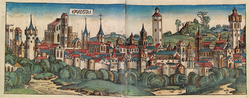
Key Facts
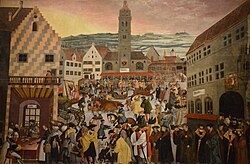
- Population: 301,105 (as of December 31, 2024).
- Global Firsts: Home to the Fuggerei, the world's oldest social housing estate, and the first artificial whitewater course.
- UNESCO Status: Recognized for its sophisticated Water Management System.
- Economic Power: A major hub for companies like KUKA, MAN SE, and Siemens.
- Cultural Legacy: Birthplace of Rudolf Diesel and the childhood home of Bertolt Brecht.
A Legacy of Power and Faith
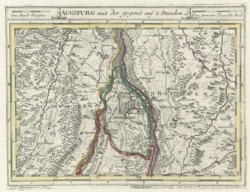
Augsburg's history is inextricably linked to the religious and economic shifts of Europe. During the 16th century, the city emerged as a leading European center of capitalism, largely due to the influence of the Fugger banking family. This era of wealth was mirrored by religious upheaval, most notably the Augsburg Confession, a pivotal document in the Protestant Reformation.
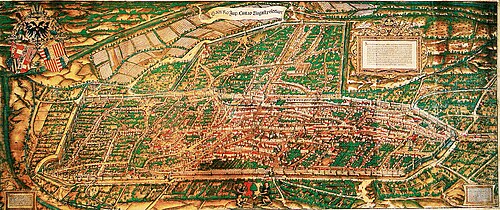
However, the city's past also contains darker chapters. In the late 16th century, following devastating plague epidemics between 1585 and 1593, Augsburg became a site of brutal witch hunts, reflecting the social instability and inflation of the period.
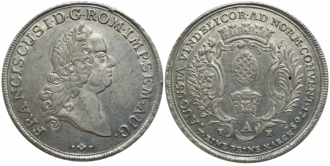
The Impact of War
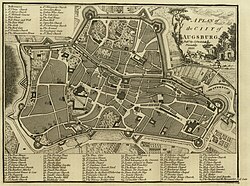
Due to its strategic location, Augsburg has long been militarily significant. In the lead-up to the Second World War, the Wehrmacht expanded the city's infrastructure, establishing three major barracks: Somme, Arras, and Panzerjäger. The city's liberation by American forces on April 23, 1945, marked the end of Nazi occupation and the liberation of countless slave laborers.

Architectural and Cultural Landmarks
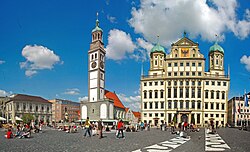
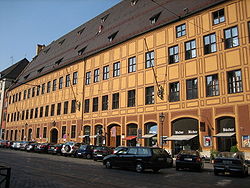
The city's skyline is a testament to its endurance, featuring a blend of Renaissance and Rococo styles. The Town Hall, completed in 1620, is renowned for its Goldener Saal (Golden Hall), while the Perlachturm bell tower has stood since 989.
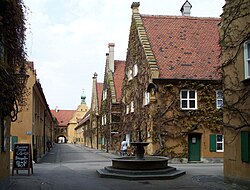
One of the most unique sites is the Fuggerei, founded in 1523. It remains the oldest social housing complex in the world, providing affordable living for those in need for nearly five centuries.
Engineering and Innovation
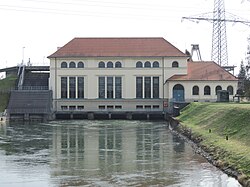
Beyond its buildings, Augsburg is celebrated for its technical ingenuity. The Water Management System is a UNESCO World Heritage site, showcasing centuries of hydraulic engineering. In the realm of sports and leisure, the city boasts the Eiskanal, the world's first artificial whitewater course, which hosted events for the 1972 Munich Olympics.
Modern Augsburg: Economy and Governance
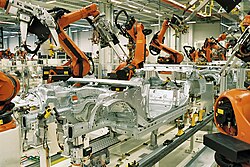
Today, Augsburg is a vibrant urban district in Bavaria. Its economy is diversified, hosting global leaders in robotics and engineering such as KUKA and MAN SE. The city is also a center for higher education, featuring the University of Augsburg and the Technische Hochschule Augsburg.
Political Landscape
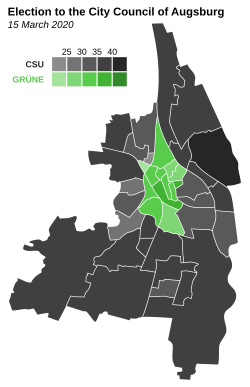
The city is governed by a Lord Mayor and a city council. In recent elections, the Christian Social Union (CSU) and Alliance 90/The Greens have emerged as dominant political forces, reflecting a mix of traditional and ecological priorities in the region.
City Overview Summary
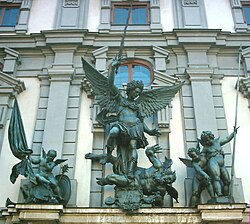
| Category | Detail |
|---|---|
| State | Bavaria, Germany |
| Admin Region | Swabia |
| Area | 146.84 km² |
| Elevation | 494 m |
| Metro Population | 885,000 |
| Key Industries | Robotics, Aerospace, Automotive |
Notable Figures
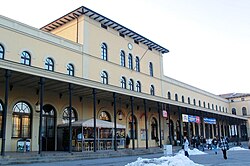
Augsburg has been the home or birthplace of numerous influential figures across various fields:
- Rudolf Diesel: The inventor of the diesel engine.
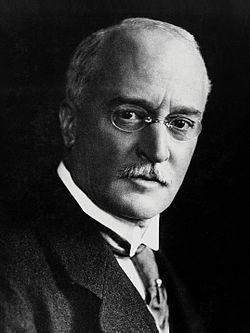
Rudolf Diesel, c. 1900 - Bertolt Brecht: The world-renowned writer and theater director.
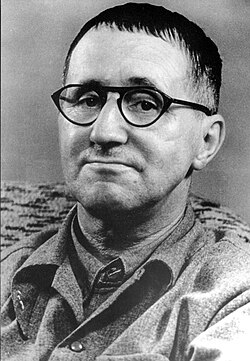
Bertolt Brecht, 1954 - Leopold Mozart: Violinist-composer and father of Wolfgang Amadeus Mozart.
- Hans Holbein the Younger: A master of Renaissance portraiture.
- Helmut Haller: Legendary footballer who represented West Germany in three World Cups.

Helmut Haller, 1969
Frequently Asked Questions

What is the Fuggerei?
The Fuggerei is the world's oldest social housing estate, established in 1523 by Jakob Fugger the Rich to provide housing for the needy citizens of Augsburg.
Why is Augsburg's water system famous?
Augsburg's Water Management System is a UNESCO World Heritage site because it represents a sophisticated historical approach to urban water supply and management that influenced cities across Europe.
Who was Rudolf Diesel?
Rudolf Diesel was a pioneering engineer born in Augsburg who invented the diesel engine, which revolutionized transport and industry globally.
What is the significance of the Augsburg Confession?
The Augsburg Confession was a primary confession of faith of the Lutheran Church, presented to Emperor Charles V in 1530, marking a critical moment in the Protestant Reformation.
Which major companies are headquartered or have large operations in Augsburg?
The city is home to several industrial giants, including KUKA (robotics), MAN SE (commercial vehicles), and Siemens, as well as aerospace firms like MT Aerospace and Premium AEROTEC.