Asian Carp: From China's Staple Food to North America's Invasive Challenge
While they are celebrated as a cornerstone of aquaculture in East Asia, certain species of carp have become one of the most significant environmental challenges in the United States. Commonly referred to as Asian carp, these fish include the silver, bighead, grass, and black carp. Once imported to help manage pond biomass, they have since escaped into natural waterways, leading to a massive ecological shift in North American river systems.
To understand the complexity of this issue, one must look at the distinction between their role as a vital food source in their native Eurasia and their status as an invasive threat in the Mississippi River basin.
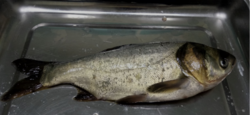
Key Facts
- Four Main Species: Silver carp, bighead carp, grass carp (white amur), and black carp (black amur).
- Invasive Status: Introduced to the U.S. in the 1970s for aquaculture, they are now considered invasive in many regions.
- Physical Scale: Black amur adults can reach an average of 33 lbs (15 kg), with some specimens weighing up to 150 lbs (70 kg).
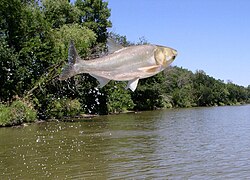
- Behavioral Risk: Silver carp are known to leap up to 10 feet (3.0 meters) into the air when startled by boats.
- Rebranding: The Illinois Department of Natural Resources has rebranded them as "Copi" to encourage human consumption.
The Four Species of Asian Carp
In China, these fish are known as the "Four Great Domestic Fish" (qing cao lian yong) and have been cultivated for over 1,000 years. In the United States, they are often grouped together, though they belong to distinct scientific classifications:
- Silver Carp (Hypophthalmichthys molitrix): Also known as silverfin or lian.
- Bighead Carp (H. nobilis): Also known as yong.
- Grass Carp (Ctenopharyngodon idella): Also known as white amur or cao.
- Black Carp (Mylopharyngodon piceus): Also known as black amur or qing.
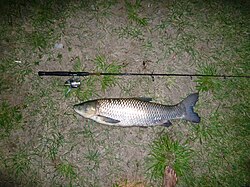
Comparison of Asian Carp Species
| Common Name | Scientific Name | Alternative Names |
|---|---|---|
| Silver Carp | H. molitrix | Silverfin, Lian |
| Bighead Carp | H. nobilis | Yong |
| Grass Carp | C. idella | White Amur, Cao |
| Black Carp | M. piceus | Black Amur, Qing |
The Impact of the Invasion in North America
The introduction of these species began in the 1970s when fish farmers in the southern United States imported them to regulate overgrowth and parasites in commercial ponds. However, these fish escaped through sanitation canals and commercial passages, eventually flooding into untouched waters. The population growth of bighead and silver carp has been particularly dramatic within the Mississippi River basin.
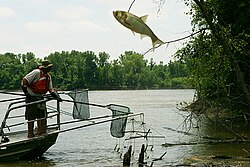
The Jumping Hazard
One of the most notable and dangerous characteristics of the silver carp is its tendency to leap out of the water when frightened by boat engines. These fish can jump between 2.5 and 3.0 meters (8–10 feet) into the air. According to the Environmental Protection Agency, these collisions have caused serious injuries to boaters, including concussions, broken bones, back injuries, and cuts from fins.
Management and Control Strategies
Because these fish are considered highly detrimental to the environment, federal and state agencies have implemented various management plans. In 2019, Kentucky declared a "War on Carp," utilizing electrofishing—a method using 110–500 volts to capture fish—to remove millions of pounds of carp from its lakes.
While electrofishing is efficient, it is a subject of debate due to potential impacts on native fish embryos if used over spawning grounds. Other management efforts include:
- Biological Controls: Reintroducing alligator gar to control carp populations.
- Technological Barriers: Using bubble columns and sonic devices to deter carp movement.
- Hydrological Separation: Studying the feasibility of separating the Great Lakes from the Mississippi River watersheds.
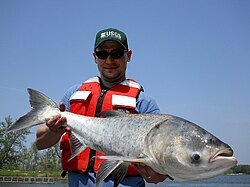
The "Copi" Rebrand: Turning Pests into Food
In an effort to reduce carp numbers through consumption, the Illinois Department of Natural Resources launched a rebranding campaign in 2022. The fish are now referred to as Copi, a name derived from "copious," reflecting the massive quantities of fish in the water. This initiative aims to shift public perception, moving away from viewing them as "trash fish" and toward seeing them as a viable food source.
Frequently Asked Questions
Why are silver carp jumping out of the water?
Silver carp are easily frightened by the presence of boats, which triggers a jumping response that can reach heights of up to 10 feet.
What is the difference between Asian carp and common carp?
Asian carp refers specifically to the four species (silver, bighead, grass, and black) introduced in the 1970s. Common carp are a different species that were widely distributed in the U.S. in the late 19th century.
Are Asian carp edible?
Yes. In Asia, they have been a staple food for thousands of years. In the U.S., the "Copi" rebranding initiative encourages people to eat them to help manage their populations.
How are authorities trying to stop the spread to the Great Lakes?
Authorities are using a combination of legislative action, infrastructure projects like the Brandon Road Interbasin Project, and research into technological deterrents like sound systems and bubble columns.
Is the black carp established in the United States?
While not as widely distributed as silver or bighead carp, research suggests that fertile black carp have been captured in the Atchafalaya and other rivers connected to the Mississippi, indicating they are likely established.