Argentine Beef: History, Production, and Cultural Impact
Beef is more than just a food source in Argentina; it is a cornerstone of the nation's identity, economy, and social fabric. From the vast, fertile plains of the Pampas—the fertile lowland plains of Argentina—to the global export markets, the production of high-quality beef has shaped the country's trajectory for centuries.
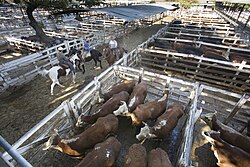
The relationship between Argentina and cattle began in 1536 when Spanish conquistadors first introduced the animals to the region. The geography of the Pampas allowed cattle to multiply rapidly, eventually transforming the landscape and the economy. By the 19th century, Buenos Aires had evolved into a massive cattle-processing hub featuring stockyards and meat-salting facilities, with influential families like the Basque immigrants of the Anchorena clan driving the industry forward.
The Rise of a Global Export Power
The late 19th century marked a turning point for the industry. The development of railways and the invention of refrigerated trains and ships allowed Argentina to move beyond salted beef (known as tasajo) and begin exporting fresh meat. Between 1864 and 1888, the cattle population surged from 10 million to nearly 23 million head.
Argentina leveraged a unique geographical advantage: the flipped seasons between the Northern and Southern Hemispheres. This meant Argentine beef reached European and American markets exactly when local supplies were low. By the end of World War I, Argentina had become the world's leading beef exporter, providing more than half of the global supply, with the United Kingdom serving as its primary market.
Key Facts
- Highest Consumption: Argentina has the world's highest beef consumption rate at 55 kg per person annually.
- Global Standing: In 2019, Argentina was the 4th largest beef producer, producing 3 million tons.
- Primary Market: China is currently the main client, purchasing 75% of Argentina's beef exports.
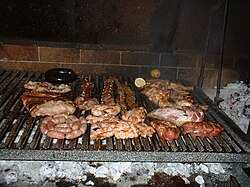
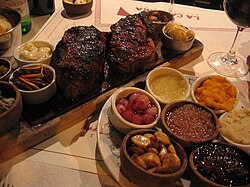
- Cultural Icon: The asado (traditional barbecue) is considered the national dish and a focal point for family gatherings.
- Economic Scale: Total annual revenue on beef reaches approximately US$5 billion.
![The Asado (1888) by Ignacio Manzoni. Asado is considered a national dish,[3] and is typical of Argentine families to gather on Sundays around one.[4]](/images/8f/92/8f922dcc5dcbdd0d1fae57d3010cb8099a71700fe27789f0b3bc62c4dcf2d88f.jpg)
Cultural and Social Influence
The wealth generated from beef exports funded the construction of grand estates (estancias) and iconic buildings in Buenos Aires. It also gave rise to the legendary gauchos—the skilled horsemen of the Pampas. Since 1886, the annual agricultural show, La Rural, has remained a highlight of the social season in Buenos Aires.
However, the industry's influence extended beyond Argentina's borders. In 1905, high import taxes on Argentine cattle in Chile led to the "meat riots" in Santiago, where government-induced price hikes and inflation resulted in massive protests and significant loss of life.
Modern Production and Challenges
In recent years, the Argentine government has balanced export ambitions with the need to keep domestic prices affordable. This has led to various export bans and quotas, such as the 180-day ban in 2006 and a month-long ban in May 2021. A notable exception to these restrictions is the Hilton Quota, which allows for the export of high-quality cuts.
The industry has also faced biological threats. In 2001, the reappearance of foot-and-mouth disease (FMD)—a highly contagious viral disease affecting cloven-hoofed animals—led over 60 countries to ban Argentine beef. While the country regained its "foot-and-mouth free with vaccination" status in 2003, sporadic cases have continued to impact trade with neighbors like Chile.
To combat these challenges and improve global competitiveness, the Instituto de Promoción de la Carne Vacuna Argentina (IPCVA) was founded in 2001. This non-governmental organization focuses on marketing, quality security, and promoting Argentine beef through high-profile partnerships, such as a contract with the women's field hockey team, Las Leonas.
Cattle Breeds of Argentina
To meet the demand for high-quality meat, Argentina adopted and refined several international breeds:
- Shorthorn: Introduced in 1826 from England for both meat and milk.
- Hereford: Introduced in 1858; prized for high beef yield, flavor, and hardiness.
- Aberdeen Angus: Introduced in 1879 from Scotland; developed through purebred evolution and high-quality nutrition.
- Holando-Argentina: A Holstein derivative from the Netherlands (1880) used for beef and milk.
- Charolais: Introduced around 1910 from France; known for size and strength.
| Metric | Value |
|---|---|
| Annual Beef Production | 2.8 million tonnes |
| Annual Slaughter Rate | 13 million head |
| Per Capita Consumption | 55 kg/year |
| Total Beef Revenue | US$5 billion |
| Beef Export Revenue | US$500–700 million |
| Global Export Share | 7.36% |
Frequently Asked Questions
Why is beef so important to Argentine culture?
Beef is deeply integrated into the national identity, most notably through the asado, a traditional barbecue that serves as a primary social and family gathering ritual.
What is the Hilton Quota?
The Hilton Quota is a specific trade agreement that allows Argentina to export a set amount of high-quality beef cuts even during periods when the government has imposed general export bans to control domestic prices.
How did refrigeration change the industry?
The invention of refrigerated ships and trains in the late 19th century allowed Argentina to export fresh meat instead of just salted beef, opening up massive markets in the UK and the US.
What is the role of the IPCVA?
The Instituto de Promoción de la Carne Vacuna Argentina (IPCVA) is a non-governmental organization dedicated to promoting Argentine beef globally and domestically, improving quality standards, and increasing international competitiveness.
Which cattle breed is most associated with quality in Argentina?
While several breeds are used, the Aberdeen Angus is particularly noted for its purebred evolution and focus on high-quality nutrition to ensure premium meat quality.