Argentine Air Force: History, Fleet, and Modernization
The Argentine Air Force (Spanish: Fuerza Aérea Argentina, or FAA) serves as the aerial warfare branch of the Argentine Armed Forces. Established on January 4, 1945, the FAA has evolved from a collection of early 20th-century aviation groups into a structured military force responsible for national sovereignty and strategic defense. With a personnel strength of approximately 13,837 military and 6,900 civilian members as of 2018, the force operates across a diverse range of roles, from high-performance combat to specialized Antarctic support.
Key Facts
- Founded: January 4, 1945.
- Commander-in-Chief: President Javier Milei.
- Chief of General Staff: Brigadier Major Gustavo Javier Valverde.
- Primary Combat Aircraft: F-16 Fighting Falcon.
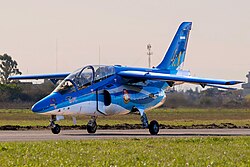
- Indigenous Aircraft: IA 63 Pampa.
- Key Anniversary: August 10.
Historical Evolution
Interwar and Early Development
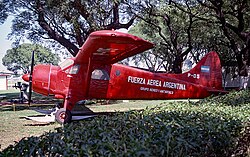
Before the formal establishment of the FAA, Argentina's aviation capabilities relied on aircraft imported from Italy and France. The 1920s saw a period of reorganization, including the temporary disbandment and subsequent reopening of the Escuela Militar de Aviación (Military Aviation School), alongside the creation of specialized observation groups.
Cold War and Mid-Century Growth
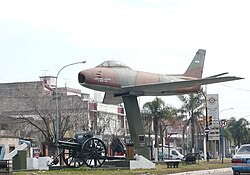
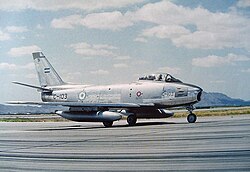
During the mid-20th century, Argentina experimented with various aircraft and indigenous development. This era included the use of the F-86 Sabre and efforts to develop domestic jet capabilities.
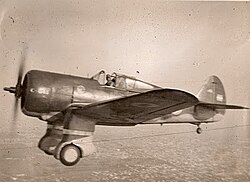
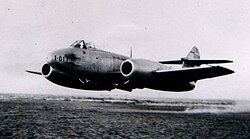
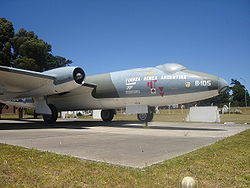
The force also utilized a variety of international designs, including the Gloster Meteor and the Curtiss-Hawk 75O, as it sought to modernize its tactical capabilities.
The Pulqui Project
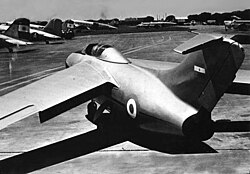
Argentina attempted to enter the jet age with the Pulqui, a domestic jet project that represented a significant leap in regional aeronautical engineering.
Operational History and Special Missions
Antarctic Support
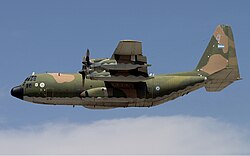
The FAA plays a critical role in supporting Argentine interests in Antarctica. In 1970, the force integrated the C-130 Hercules into its polar operations. A historic milestone occurred in 1973 when a Fokker F-28 Fellowship, serving as the presidential aircraft, became the first jet to land on the Antarctic continent.
The Falklands War (1982)
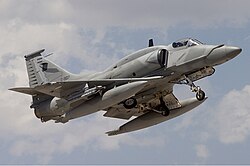
The 1982 conflict marked a significant engagement for the FAA, known as the "Baptism of Fire" on May 1. The force deployed a wide array of aircraft, including A-4 Skyhawks, Mirage III, and the indigenous IA-58 Pucará.
International Peacekeeping
Beyond national defense, the FAA has contributed to United Nations peacekeeping efforts, deploying personnel to Cyprus in 1994 and providing Bell 212 helicopter support in Haiti in 2005.
Organizational Structure
The FAA is organized into Air Brigades, which are further divided into Air Groups (Grupo Aéreo). These groups are specialized by mission; for example, a Grupo de Caza focuses on fighter operations. The force currently maintains three Fighter Groups, one Attack Group, one Transport Group, and three general Air Groups.
Brigade Distribution
- 1st Air Brigade (El Palomar): Focuses on transport, utilizing C-130H and KC-130H Hercules.
- 2nd Air Brigade (Paraná): Handles reconnaissance with Learjet 35A aircraft.
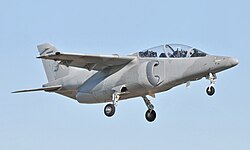
- 3rd Air Brigade (Reconquista): Focuses on training (IA-63 Pampa) and search and rescue.
- 5th Air Brigade (Villa Reynolds): The primary combat hub, transitioning from A-4AR Fightinghawks to F-16s.
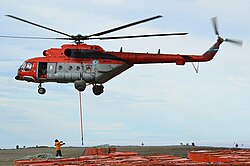
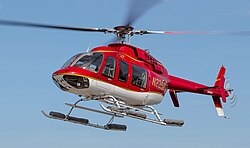
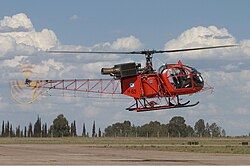
- 7th Air Brigade (Moreno): Manages the helicopter fleet and special operations.
- 10th Air Brigade (Río Gallegos): Re-established in 2022-23 to bolster southern defenses.
Current Fleet and Modernization
The FAA is currently undergoing a major modernization phase to replace aging platforms. The most significant acquisition is the F-16 Fighting Falcon from Denmark, with the first six aircraft arriving in December 2025 to replace all previous combat aircraft.
![First six F-16 from Skrydstrup delivered by Danish pilots to Rio Cuarto / ARMACUAR[84]](/images/3a/2e/3a2e75f550e63455f793b083bbb30619e1f7ac51204b15fe7c401d7320cf92f9.jpg)
The force continues to utilize the IA 63 Pampa, an indigenous advanced trainer and light attack aircraft, which is being upgraded to the Pampa III standard.
Fleet Summary Table
| Category | Aircraft Model | Role | Origin |
|---|---|---|---|
| Combat | F-16 Fighting Falcon | Multirole Fighter | USA |
| Combat/Trainer | IA 63 Pampa | Advanced Trainer/Attack | Argentina |
| Transport | C-130 Hercules | Tactical Airlifter | USA |
| Transport | Saab 340 | Transport | Sweden |
| Helicopter | Bell 212/412 | Utility | USA |
| Helicopter | Mil Mi-171E | Transport/Utility | Russia |
| Trainer | T-6 Texan II | Basic Trainer | USA |
Frequently Asked Questions
What is the current primary fighter aircraft of the FAA?
The Argentine Air Force is currently transitioning to the F-16 Fighting Falcon, acquired from Denmark, which is intended to replace all previous combat aircraft in the fleet.
Which aircraft is produced domestically in Argentina?
The IA 63 Pampa is the primary indigenous aircraft, serving as both an advanced trainer and a light attack aircraft.
What role does the FAA play in Antarctica?
The FAA provides critical logistics and transport support for Antarctic operations, utilizing aircraft like the C-130 Hercules and specialized ski-equipped planes.
How is the FAA organized?
The force is organized into Air Brigades, which contain Air Groups specialized by mission (such as Fighter, Attack, or Transport Groups), which are further divided into squadrons.
What was the FAA's role in the Falklands War?
The FAA engaged in aerial warfare during the 1982 conflict, utilizing a mix of A-4 Skyhawks, Mirage III, and IA-58 Pucará aircraft in operations against opposing forces.