Argentina Cities: A Comprehensive Overview of Urban Centers
Argentina is a nation of diverse landscapes and vibrant urban centers, ranging from the bustling metropolis of the coast to the quiet outposts of Patagonia. The distribution of its population reflects a complex history of migration, trade, and regional development, with a significant concentration of residents in the pampas and coastal regions.
To understand the urban fabric of Argentina, one must look at the localities—the specific urban areas or settlements—that drive the country's economy and culture. From the massive administrative hubs to smaller regional centers, these cities serve as the heart of their respective provinces.
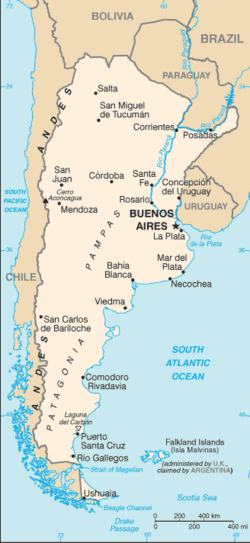
Key Facts
- Major Hubs: Buenos Aires serves as the primary capital and largest urban center.
- Population Data: Census data from INDEC (National Institute of Statistics and Censuses) provides the baseline for population metrics.
- Regional Distribution: Cities are spread across 23 provinces and the autonomous city of Buenos Aires.
- Urban Tiers: The country features a mix of mega-cities (over 150,000 inhabitants) and mid-sized regional hubs (45,000 to 150,000 inhabitants).
Major Urban Centers and Capitals
The urban hierarchy of Argentina is led by its most populous cities, which act as political, financial, and cultural beacons. The capital, Buenos Aires, is the most prominent, followed by other major provincial capitals and commercial hubs.
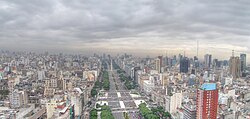
Primary Cities
Beyond the capital, cities like Rosario and Córdoba stand out as critical economic engines. Rosario is a vital port city, while Córdoba is known for its academic and industrial significance.
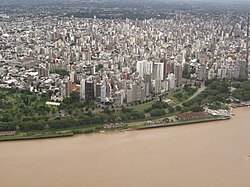
Regional Powerhouses
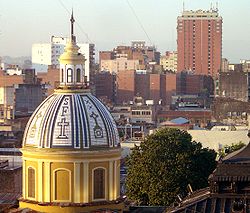
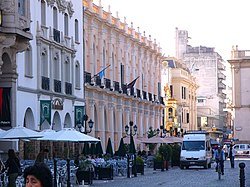
In the west, Mendoza serves as the center of the wine industry, while in the north, San Miguel de Tucumán and Salta are key cultural and administrative centers.
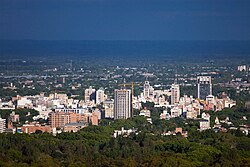
Mid-Sized Cities (45,000 to 150,000 Inhabitants)
According to the 2001 INDEC Census, Argentina possesses a wide array of mid-sized cities that provide essential services to their surrounding rural areas. These cities often range from 45,000 to 150,000 residents.
Some of the most populous in this category include San Nicolás de los Arroyos (133,602), San Rafael (104,782), and Trelew (103,305). These cities are distributed across various provinces, including Buenos Aires, Mendoza, and Chubut, highlighting the decentralized nature of regional commerce.
| City | Province | Population |
|---|---|---|
| San Nicolás de los Arroyos | Buenos Aires | 133,602 |
| San Rafael | Mendoza | 104,782 |
| Rafael Castillo | Buenos Aires | 103,992 |
| Trelew | Chubut | 103,305 |
| Santa Rosa | La Pampa | 101,987 |
Provincial Distribution of Localities
Argentina's cities are organized by province, each with its own unique geographic and economic characteristics.
Buenos Aires Province
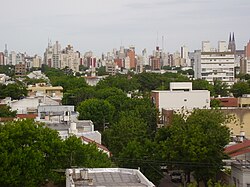
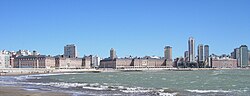
The province of Buenos Aires contains the highest density of urban centers. Notable cities include La Plata, the provincial capital, and Mar del Plata, a major Atlantic resort city.
Northern and Western Provinces
In the north, provinces like Jujuy and Salta feature cities such as San Salvador de Jujuy and Salta. To the west, Mendoza and San Juan host cities that manage the arid Andean foothills.
Patagonia and the South
The southern reaches of the country are characterized by lower population densities. Key cities here include Río Gallegos in Santa Cruz and Ushuaia in Tierra del Fuego, the latter being one of the southernmost cities in the world.
Frequently Asked Questions
Which organization provides the population data for Argentine cities?
The population data is provided by INDEC, the National Institute of Statistics and Censuses of Argentina.
What is the population range for mid-sized cities in this dataset?
Mid-sized cities in this specific list are those with populations ranging from 45,000 to 150,000 inhabitants.
Which city is the capital of the Buenos Aires Province?
La Plata is the capital city of the Buenos Aires Province.
Which are some of the most populous mid-sized cities in Argentina?
Based on the 2001 census, some of the most populous mid-sized cities include San Nicolás de los Arroyos, San Rafael, and Rafael Castillo.
What are some of the key cities in the Patagonia region?
Key cities in the southern Patagonia region include Río Gallegos, Ushuaia, and Río Grande.