Archaeology: Recovering Human History Through Material Culture
Archaeology is the scientific study of human activity through the recovery and analysis of material culture. By examining the physical remains left behind, archaeologists can reconstruct the lives, behaviors, and societal structures of people from the distant past. This discipline serves as a bridge between the social sciences and the humanities, often intersecting with anthropology, history, and geography.
The primary focus of the field is the archaeological record, which encompasses artifacts (man-made objects), architecture, biofacts or ecofacts (organic remains), specific sites, and broader cultural landscapes. While history relies heavily on written documents, archaeology is the essential tool for understanding prehistory—the period before the advent of literacy, which accounts for over 99% of the human experience.
Key Facts
- Scope: Studies human activity from the first stone tools 3.3 million years ago at Lomekwi, East Africa, to the recent past.
- Distinction: Unlike palaeontology, which studies all fossils, archaeology focuses specifically on human-related remains.
- Core Process: Involves a cycle of surveying, excavation, and data analysis.
- Interdisciplinary Nature: Utilizes cross-disciplinary research, including genetics, chemistry, and digital technology.
The Evolution of the Discipline
Archaeology emerged from 19th-century European antiquarianism—the hobby of collecting curiosities—and evolved into a rigorous academic discipline. Over time, it shifted from simple relic hunting to a systematic science focused on documenting and explaining changes in human societies.

As the field matured, it branched into various specialized sub-disciplines to address specific environments and themes. These include maritime archaeology, which explores human interaction with the sea, and archaeoastronomy, the study of how ancient cultures understood the stars and planets.

Archaeological Methods and Techniques
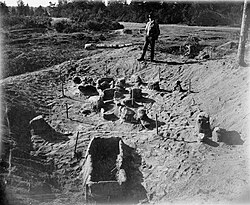
Modern archaeology employs a sophisticated array of methods to locate and analyze sites without always relying on destructive digging.
Remote Sensing and Surveying
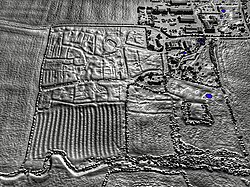
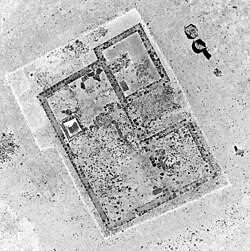
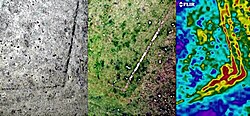
Before a shovel ever hits the ground, archaeologists use remote sensing—non-invasive techniques to map sites. This includes satellite imagery, Lidar (light detection and ranging), and geophysical surveys like magnetic detection to identify buried structures.
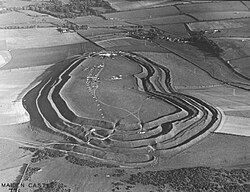
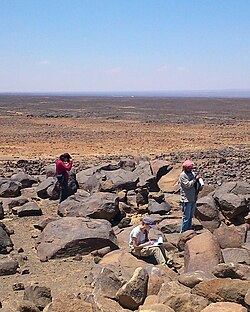
Field surveys involve walking the landscape to identify surface artifacts, while aerial photography (including the use of kites or drones) provides a bird's-eye view of crop marks and architectural outlines.
Excavation and Analysis
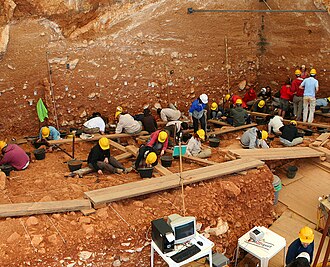
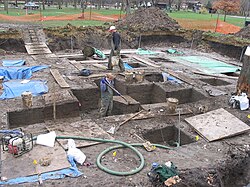
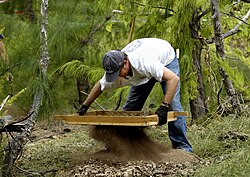
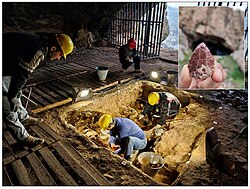
Excavation is the systematic recovery of data from the earth. Archaeologists use tools like the Harris matrix to depict site stratigraphy (the layering of soil), ensuring that the chronological context of every find is preserved.
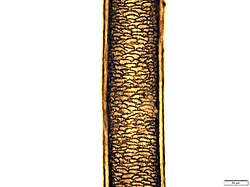
Once recovered, materials undergo rigorous analysis. This may include archaeometry (the application of scientific techniques like carbon dating) or zooarchaeology (the analysis of animal remains) to determine diet and environment.
Specialized Subfields

The diversity of human history has led to the creation of several specialized approaches:
- Historical Archaeology: Focuses on periods with written records to provide a more complete picture of the past.
- Ethnoarchaeology: Studies living societies to help interpret the archaeological record.
- Experimental Archaeology: Recreates ancient technologies to test hypotheses about how they were used.
- Digital Archaeology: Applies digital technology and computational models to data management and site reconstruction.
- Cultural Resources Management (CRM): Manages and protects archaeological sites, often in the context of urban development.

Current Challenges and Ethics
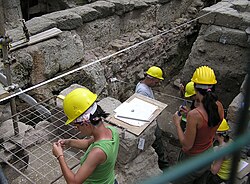
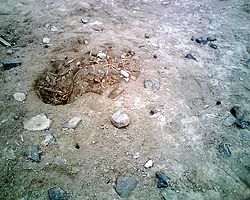
Archaeology is not without controversy. The field currently grapples with pseudoarchaeology—claims that lack scientific evidence—and the devastating impact of looting, where artifacts are stolen for the black market, destroying the site's context.
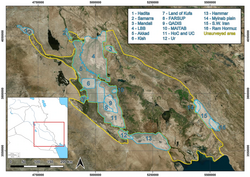
Ethical debates also surround the excavation and display of human remains, leading to movements for repatriation (returning remains and artifacts to descendant peoples). Additionally, climate change now poses a threat to many sites, while AI is being integrated to help detect new sites in challenging terrains like deserts.
| Component | Description | Example |
|---|---|---|
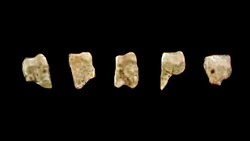
| Artifact | Man-made portable object | Stone tool, pottery shard |
| Biofact/Ecofact | Natural organic remain | Animal bone, pollen, seeds |
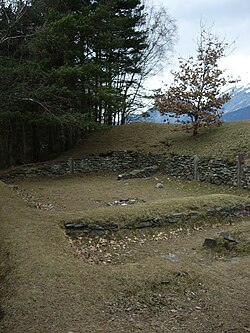
| Feature | Non-portable human-made element | Hearth, wall foundation |
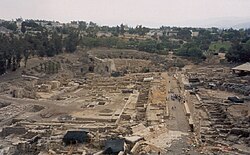
| Site | Location with material evidence | Ancient village, burial mound |
Frequently Asked Questions
What is the difference between archaeology and palaeontology?
Archaeology specifically studies human activity and material culture, whereas palaeontology is the broader study of all fossil remains, including dinosaurs and ancient plants, regardless of whether they are related to humans.
How do archaeologists date objects from prehistory?
They use chronological dating methods, which can include relative dating (like stratigraphy, where deeper layers are generally older) and absolute dating (such as radiocarbon dating or archaeometry).
What is remote sensing in archaeology?
Remote sensing refers to non-invasive techniques used to detect archaeological features from a distance. Examples include Lidar, satellite imagery, and geophysical surveys that can "see" beneath the surface without digging.
Why is the context of an artifact so important?
The context—the exact location and surrounding layer where an object is found—provides the evidence needed to understand its use and age. When looters remove an object, they destroy this context, rendering the artifact far less valuable for scientific research.
What is the role of AI in modern archaeology?
Artificial Intelligence is increasingly used to analyze vast amounts of data, such as satellite imagery, to identify patterns and detect previously unknown archaeological sites in remote areas like deserts.