Animal Husbandry: The Evolution and Impact of Raising Livestock
Animal husbandry is the specialized branch of agriculture focused on the human practices of raising captive or domesticated animals. This discipline encompasses the day-to-day management, nutrition, and health care of animals to harvest valuable products or to train them for labor and services. While most commonly associated with terrestrial mammals and birds, the practice extends to a vast array of species, including reptiles, insects, and aquatic organisms.
From the early taming of dogs to the industrial-scale farms of the modern era, animal husbandry has been a cornerstone of human survival and economic development. It involves a complex cycle of selective breeding, assisted birth, grooming, and marketing to ensure the efficient production of meat, milk, eggs, fiber, and hides.
Key Facts
- Scope: Covers livestock (mammals and birds), herpetoculture (reptiles and amphibians), insect farming, and aquaculture.
- Origins: Dog domestication began over 17,500 years ago, preceding the Neolithic Revolution.
- Environmental Footprint: Livestock and their feed occupy approximately one-third of the Earth's ice-free land.
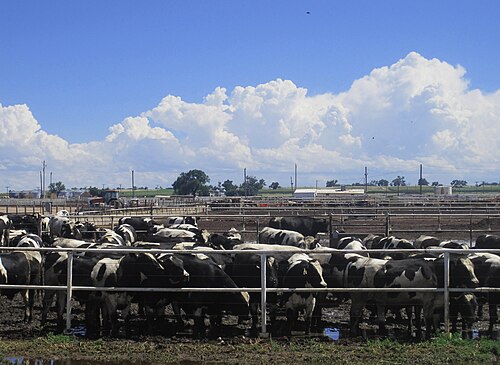
- Climate Impact: Cattle produce roughly 570 million cubic meters of methane daily, contributing significantly to global emissions.
- Resource Use: Animal husbandry utilizes between 20% and 33% of the world's fresh water.
The History of Domestication
The transition from nomadic hunter-gatherers to agrarian and pastoralist societies was driven by the need for a reliable food supply when hunting proved unproductive. Domestication was not a single event but a gradual process of selecting animals that were useful, easy to tend, and able to thrive in human company.
Early Beginnings
The dog was the first species to be domesticated, likely starting as scavengers that joined human packs for hunting. Following this, prey animals were integrated into human societies. Between 8,500 and 8,000 BC, pigs were domesticated in the Near East, while sheep and goats were domesticated near the Fertile Crescent around 8,500 BC. Cattle were developed from wild aurochs in regions of modern-day Turkey and Pakistan around the same time.
The Role of Draught Animals
Beyond food, animals provided essential labor. Cows offered milk and strength for pulling ploughs and carts, which immeasurably increased crop production. By 4,000 BC, the use of draught animals (animals used for pulling heavy loads) became widespread in the Middle East, fundamentally changing agricultural efficiency.
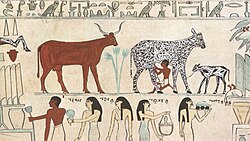
Evolution of Farming Systems
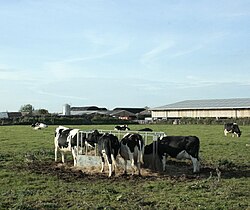
Animal husbandry evolved through various historical epochs, shifting from nomadic herding to settled farming and eventually to industrial production.
Medieval and Early Modern Developments
In Northern Europe, animal husbandry saw a resurgence by the 11th century. The Domesday Book of 1086 provides a detailed record of livestock in England, highlighting the economic importance of oxen, cows, and swine. During this period, horses began replacing oxen for traction, and the introduction of nitrogen-fixing crops like peas and beans improved soil fertility, allowing farmers to maintain larger herds.
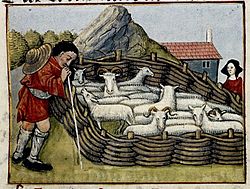
The Agricultural Revolution
The 18th-century British Agricultural Revolution marked a turning point in selective breeding. Agriculturalists like Robert Bakewell improved breeds such as the Lincoln Longwool sheep and Dishley Longhorn cattle to maximize the yield of meat, milk, and wool.
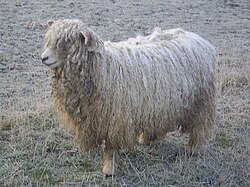
Modern Branches of Animal Husbandry
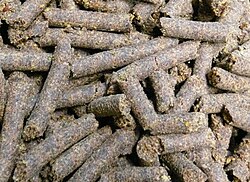
Today, animal husbandry is divided into several specialized sectors based on the species and the products harvested.
Terrestrial Livestock
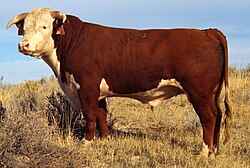
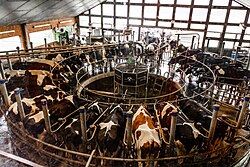
The meat and dairy industries rely heavily on the genera Bos (cattle), Ovis (sheep), Sus (pigs), Gallus (chickens), and Anas (ducks). While these are the most common, some regions raise water buffalo, llamas, alpacas, and rabbits for textiles or pharmaceuticals.
Aquaculture and Insect Farming
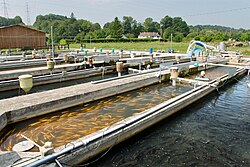
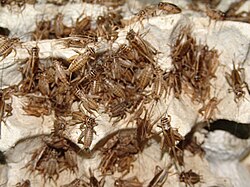
Due to the depletion of wild fisheries, aquaculture—the cultivation of aquatic animals—has become widespread. This includes the farming of fish, crustaceans (shrimp, crabs), and molluscs (oysters, clams). Additionally, insect farming (such as beekeeping, sericulture, and cricket farming) is growing as a sustainable source of protein and materials.
Environmental and Ethical Impact
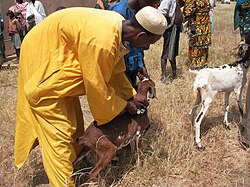
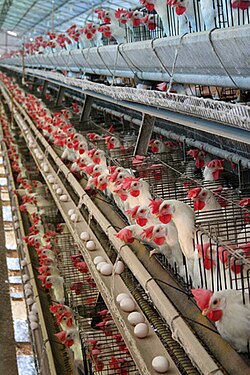
The intensification of animal husbandry has led to significant ecological challenges. Since 1950, meat production has tripled and egg production has increased nearly fourfold.
Ecological Consequences
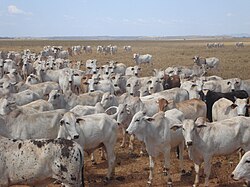
Livestock production is a primary driver of the Holocene extinction and biodiversity loss. It is responsible for up to 91% of deforestation in the Amazon region as land is cleared for grazing and feed crops. Furthermore, the sector is a major source of greenhouse gases, contributing 65% of all human-related nitrous oxide emissions.
Resource Consumption
The industry places immense pressure on natural resources, utilizing a third of the Earth's land surface (directly or indirectly) and a significant portion of the global fresh water supply.
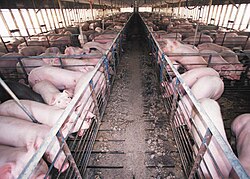
Summary of Animal Husbandry Sectors
| Category | Common Species | Primary Products |
|---|---|---|
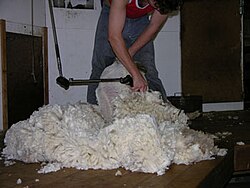
| Mammals | Cattle, Sheep, Pigs, Goats | Meat, Milk, Hide, Wool |
| Poultry | Chickens, Ducks, Geese | Eggs, Meat, Feathers |
| Aquaculture | Fish, Shrimp, Oysters | Food, Pearls |
| Insects/Worms | Bees, Silkworms, Crickets | Honey, Silk, Protein |
| Herpetoculture | Crocodiles, Turtles, Frogs | Leather, Meat |
Frequently Asked Questions
What is the difference between animal husbandry and aquaculture?
Animal husbandry is the broad term for raising domesticated animals, traditionally referring to terrestrial livestock. Aquaculture is a specific branch of husbandry focused on the cultivation of aquatic animals, such as fish, molluscs, and crustaceans.
Which animal was the first to be domesticated?
The dog was the first animal to be domesticated, with evidence suggesting this occurred more than 17,500 years ago, long before the start of the Neolithic Revolution.
How does animal husbandry contribute to climate change?
Livestock contribute to climate change primarily through the emission of greenhouse gases. For example, cattle produce vast amounts of methane, and the overall production process is responsible for 65% of human-related nitrous oxide emissions.
What are draught animals?
Draught animals are domesticated animals trained to pull heavy loads, such as ploughs, sledges, or carts. They were first used around 4,000 BC in the Middle East to increase agricultural productivity.
Why is insect farming becoming more common?
Insect farming is increasing in certain regions, such as Thailand, as a way to provide sustainable food sources for human consumption and materials for the pharmaceutical and textile industries.