Ancient Greece: A Comprehensive History of the Cradle of Western Civilization
The history of ancient Greece is a sweeping saga of cultural evolution, political experimentation, and territorial expansion. From the early prehistoric settlements of the Neolithic era to the sophisticated city-states of the Classical age, the Greek world laid the foundations for much of Western philosophy, governance, and art.
The Chronological Evolution of Greece
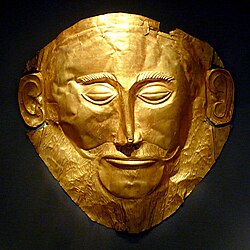
The trajectory of Greek history is divided into several distinct eras, beginning with the Aegean Bronze Age. This period saw the rise of early cultures such as the Eutresis and Korakou, eventually culminating in the powerful Mycenaean civilization. The Mycenaeans represented the peak of the Late Bronze Age before a widespread collapse led to the Dorian invasion and the subsequent Greek Dark Ages.
Following the Dark Ages, the Iron Age migrations paved the way for Archaic Greece. This era was defined by Greek colonization and the rise of the polis, or city-state. This period of growth was interrupted by the Greco-Persian Wars, which began with the Ionian Revolt and the Siege of Naxos in 499 BC, followed by two major Persian invasions of the Greek mainland.
The victory over Persia ushered in Classical Greece, the zenith of Greek cultural and political influence, followed by the Hellenistic Greece period and the eventual transition into Roman Greece.
The Rise of Athenian Democracy
Among the various city-states, Athens became the most influential due to its development of democracy—a system of direct governance where eligible citizens voted directly on legislation and executive bills. This system evolved through the contributions of several key figures:
- Solon (c. 638 – c. 558 BC): A statesman and poet who legislated against economic and moral decline. While his immediate reforms had limited success, he is credited with laying the groundwork for democratic rule.
- Cleisthenes (born c. 570 BC): Known as the father of Athenian democracy, he reformed the constitution in 508/7 BC to establish a formal democratic footing.
- Ephialtes (died 461 BC): He led a democratic revolution against the aristocracy by reducing the power of the Areopagus (the council of elders), shifting authority toward the people.
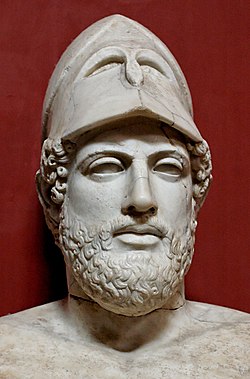
- Pericles (led Athens c. 461 – 429 BC): The most prominent Greek statesman, Pericles served as a strategos (general) and led Athens during its "Golden Age."
Governance and Institutions in Athens
The Athenian system relied on specific bodies and procedures to maintain its radical democracy:
- The Ecclesia: The principal popular assembly open to all male citizens with two years of military service. By 594 BC, Solon ensured that even the thetes (manual laborers) could participate.
- The Areopagus: A council of elders whose membership was restricted to former Archons (high public officials). It functioned similarly to the Roman Senate before its powers were curtailed.
- Ostracism: A unique democratic procedure where citizens could vote to expel any individual from the city-state for ten years to prevent the rise of a tyrant.
Regional Influence and Expansion
While Athens and Sparta dominated the mainland, Greek influence extended far beyond the peninsula. The Greeks established presence in Asia Minor, the Greek West, and Sicily. Following the conquests of Alexander the Great, the Hellenistic world expanded into vast empires, including the Ptolemaic Kingdom in Egypt, the Seleucid Empire, and the Greco-Bactrian and Indo-Greek Kingdoms in Central Asia.
| Period | Key Characteristics | Notable Events/Cultures |
|---|---|---|
| Prehistoric/Bronze Age | Early settlements and palace cultures | Mycenaean Greece, Korakou culture |
| Dark Ages | Societal collapse and migration | Dorian invasion, Iron Age migrations |
| Archaic Period | Rise of the city-state (polis) | Greek colonization, Greco-Persian Wars |
| Classical Period | Peak of art, philosophy, and democracy | Age of Pericles, Peloponnesian War |
| Hellenistic Period | Spread of Greek culture across Asia | Ptolemaic and Seleucid Empires |
Key Facts
- Direct Democracy: Athens utilized a system where citizens voted directly on laws rather than electing representatives.
- The Golden Age: The period from 480 to 404 BCE is considered the peak of Athenian democratic and cultural achievement.
- Military Requirement: Participation in the Ecclesia required male citizens to have completed two years of military service.
- Global Reach: Greek influence extended as far as the Indo-Greek Kingdom in Asia.
- Political Safeguards: Ostracism was used as a tool to protect the democracy from potential dictators.
Frequently Asked Questions
Who is considered the father of Athenian democracy?
Cleisthenes is regarded as the father of Athenian democracy for reforming the constitution in 508/7 BC and setting the state on a democratic footing.
What was the role of the Ecclesia?
The Ecclesia was the principal popular assembly of Athens, allowing male citizens—including manual laborers known as thetes—to vote directly on legislation.
What happened during the Late Bronze Age collapse?
The Late Bronze Age collapse led to the end of Mycenaean Greece and was followed by the Dorian invasion and the Greek Dark Ages.
What was the purpose of ostracism in Athens?
Ostracism was a procedure that allowed the citizens of Athens to expel any individual from the city-state for ten years to protect the political system.
Who was Pericles?
Pericles was a highly influential statesman and strategos who led Athens from approximately 461 to 429 BC, a period now known as the Age of Pericles.