American Civil War: The Conflict That Defined a Nation
The American Civil War was a pivotal struggle fought from April 12, 1861, to May 26, 1865. This brutal conflict pitted the United States (the Union) against the Confederate States, a group of Southern states that had seceded from the Union. The war was a defining moment in American history, resulting in the dissolution of the Confederate States of America and the end of slavery across the nation.
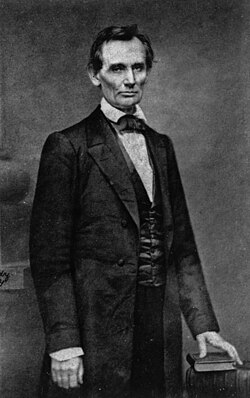
At its core, the war was driven by deep-seated divisions over state rights and the institution of slavery. The election of Abraham Lincoln in 1860 served as the catalyst for the secession crisis, as Southern leaders feared his presidency would lead to the abolition of slavery.
Key Facts
- Duration: 4 years, 1 month, and 2 weeks.
- Outcome: Union victory and the preservation of the United States.
- Total Casualties: Over 1.6 million combined casualties, with estimated deaths ranging from 616,222 to over 1 million.
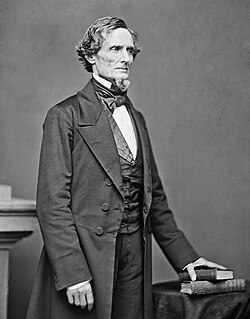
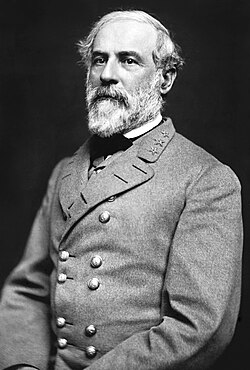
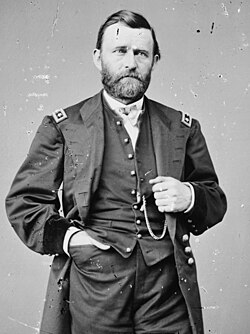
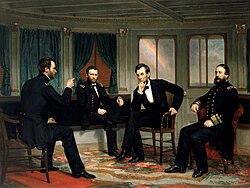
- Key Leaders: Abraham Lincoln and Ulysses S. Grant (Union); Jefferson Davis and Robert E. Lee (Confederacy).
- Major Turning Point: The Battle of Gettysburg, which altered the course of the war in the Union's favor.
The Outbreak of War and Secession
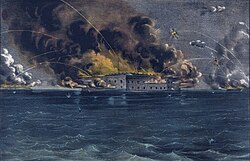
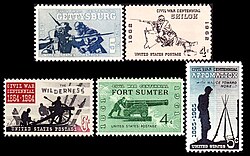
The conflict began with the secession crisis, where slave-holding states broke away to form the Confederate States of America. The first shots were fired at the Battle of Fort Sumter, marking the official start of hostilities.
The geography of the war was complex. While many Southern states seceded, several border states—states that permitted slavery but did not secede—remained in the Union, though some experienced internal conflict with dual competing governments.
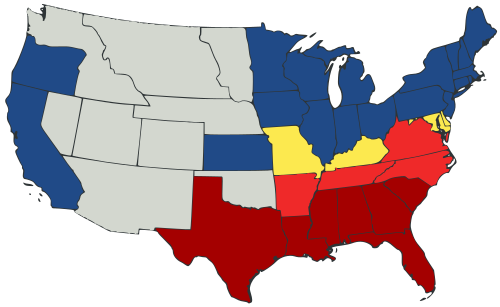
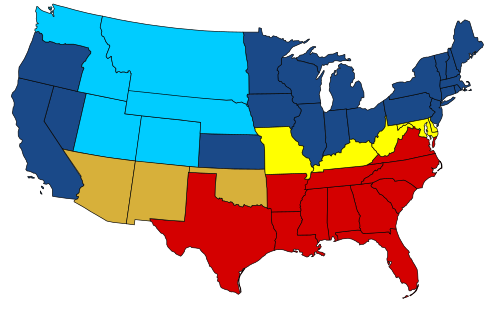
Comparing the Belligerents
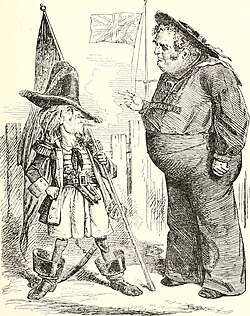
The Union and the Confederacy entered the war with vastly different resources. The North possessed a massive advantage in population, industrial capacity, and infrastructure, while the South relied heavily on its cotton exports and military leadership.
| Metric | Union (1860) | Confederacy (1860) | Union (1864) | Confederacy (1864) |
|---|---|---|---|---|
| Population | 22.1 Million | 9.1 Million | 28.8 Million | 3.0 Million |
| Railroad Miles | 21,800 | 8,800 | 29,100 | Negligible |
| Manufactures | 90% | 10% | 98% | 2% |
| Arms Production | 97% | 3% | 98% | 2% |
Military Strategy and Theaters of War
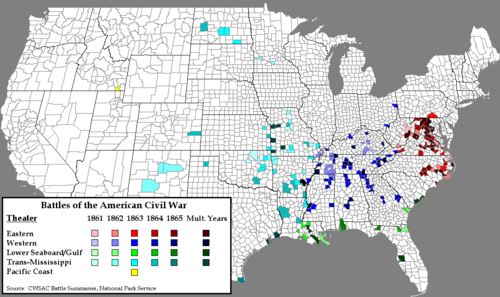
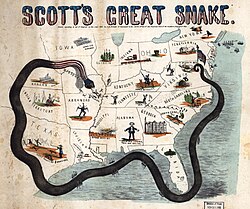
The Union employed the Anaconda Plan, a strategic naval blockade designed to squeeze the Confederacy by cutting off trade and forcing rebel forces out of key regions like Missouri along the Mississippi River.
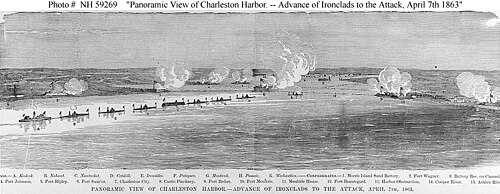
The Union Navy utilized ironclads—steam-propelled warships protected by iron plates—to maintain a continuous blockade of major Southern ports, which was sustained by the North's overwhelming industrial production.

The Eastern Theater
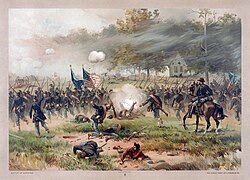
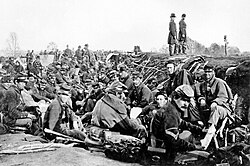
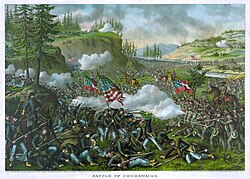
The Eastern Theater saw intense fighting between the Army of the Potomac and the Army of Northern Virginia. This region hosted some of the war's bloodiest encounters, including the Battle of Antietam, the deadliest one-day battle in the war's history.
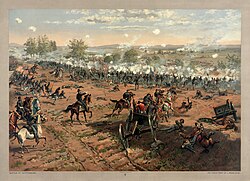
The Battle of Gettysburg proved to be a critical turning point. The failure of Pickett's Charge on the final day of the battle shifted the momentum decisively toward the Union.
The Western and Other Theaters
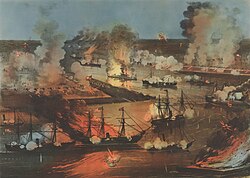
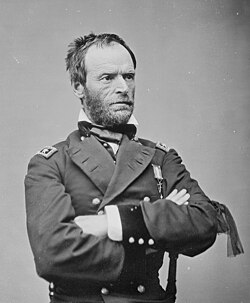
In the West, Union forces captured New Orleans and secured vital docks and arsenals in St. Louis. General William Tecumseh Sherman later conducted his famous "March to the Sea," devastating Confederate infrastructure.
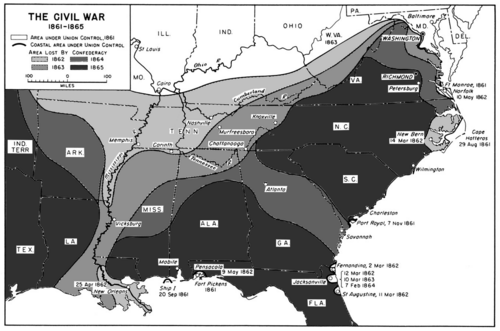
The war also extended to the Trans-Mississippi theater and the lower seaboard, with the Union gradually reclaiming territory year by year.
The Path to Emancipation
As the war progressed, its purpose evolved from simply preserving the Union to the total abolition of slavery. On January 1, 1863, Abraham Lincoln issued the Emancipation Proclamation, declaring that all enslaved people in Confederate-held territory were free.
![Abolition of slavery in the various states of the US over time: Abolition of slavery during or shortly after the American Revolution (Vermont, 1777; Massachusetts [including Maine], 1783) The Northwest Ordinance, 1787 Gradual emancipation in New York (starting 1799, ended 1827), Pennsylvania (1780–1857), New Hampshire (1783–1857), Connecticut [including the Western Reserve] (1784–1848), Rhode Island (1784–1853) and New Jersey (starting 1804; ended by Thirteenth Amendment, 1865) The Missouri Compromise, 1821 Effective abolition of slavery by Mexican or joint US/British authority Abolition of slavery by Congressional action, 1861 Abolition of slavery by Congressional action, 1862 Emancipation Proclamation as originally issued, 1 Jan 1863 Subsequent operation of the Emancipation Proclamation in 1863 Abolition of slavery by state action during the Civil War Operation of the Emancipation Proclamation in 1864 Operation of the Emancipation Proclamation in 1865 Thirteenth Amendment to the US constitution, 18 Dec 1865 Territory incorporated into the US after the passage of the Thirteenth Amendment](/images/e8/d6/e8d66456ea67bcb8ca179a859ac86a13195713c5dce8a7bbaad8bed1f3b4a52e.webp)
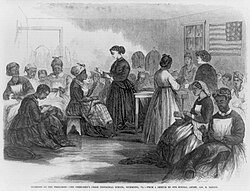
Following the war, the Freedmen's Bureau was established to provide education and training for the newly freed population, helping them transition into a post-slavery society.
The Human Cost and Legacy
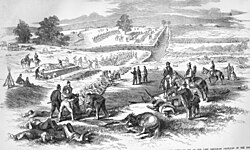
The American Civil War was a catastrophe of unprecedented scale. Hundreds of thousands died not only in combat but from disease and the harsh conditions of prisoner-of-war camps.
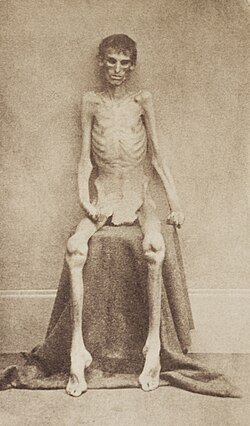
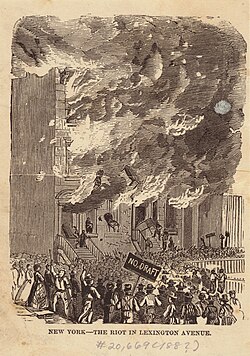
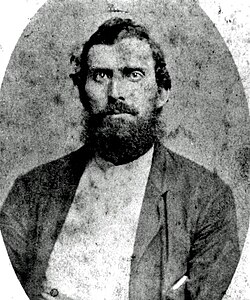
The war's impact extended beyond the battlefield, sparking internal unrest such as the New York anti-draft riots of 1863 and the emergence of resistance movements like the Free State of Jones.
The conflict's legacy persists in literature, film, and music, from the poetry of Walt Whitman to modern cinematic depictions of the struggle for freedom.
Frequently Asked Questions
![Nathaniel Lyon secured docks and arsenal in St. Louis, leading Union Army forces to expel the Missouri Confederate forces and government.[187]](/images/46/a0/46a022d7b996e0dc3f1e4f6f8ca19fe6bd8c161b6ce60a330fcb27f2b7dfa8f4.jpg)
Who were the primary leaders of the Union and Confederacy?
The Union was led by President Abraham Lincoln and General Ulysses S. Grant. The Confederacy was led by President Jefferson Davis and General Robert E. Lee.
What was the significance of the Battle of Gettysburg?
The Battle of Gettysburg is considered one of the most significant battles of the war, as it halted the Confederate invasion of the North and altered the course of the conflict in the Union's favor.
What was the Anaconda Plan?
The Anaconda Plan was a Union strategy that involved a tightening naval blockade of the Southern coast and control of the Mississippi River to isolate the Confederacy and deplete its resources.
How many casualties resulted from the American Civil War?
Total casualties were immense, with the Union suffering over 821,000 and the Confederacy over 914,000. Total deaths are estimated between 616,222 and over 1 million, including soldiers and civilians.
What did the Emancipation Proclamation achieve?
Issued by Abraham Lincoln on January 1, 1863, it declared that all enslaved people in the rebellious states were free, fundamentally changing the war's goal to include the abolition of slavery.