Allied Powers of World War I: The Entente and Its Global Coalition
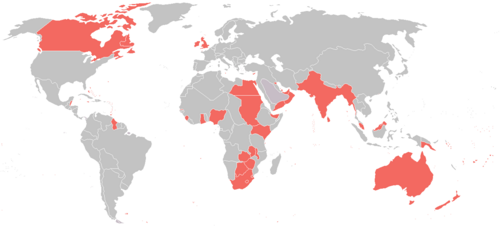
The Allied Powers, also known as the Entente, formed a massive military alliance that fought against the Central Powers during World War I from 1914 to 1918. What began as a strategic alignment between a few European nations evolved into a global coalition, drawing in empires, republics, and affiliated states from every inhabited continent.
This alliance was not a monolithic entity but a complex web of treaties and shared interests. It transitioned from the early 20th-century Concert of Europe toward the eventual establishment of the League of Nations following the conflict's conclusion.
Key Facts
- Duration: The alliance operated from 1914 until the armistice in 1918.
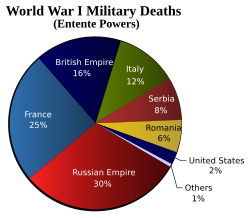
- Core Members: The primary powers included France, the British Empire, Russia (until 1917), Italy (from 1915), Japan, and the United States (from 1917).
- Global Reach: The coalition included contributions from Canada, Australia, India, Brazil, Siam, and various African colonial forces.
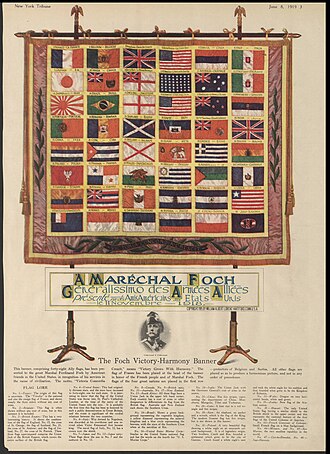
- Supreme Command: Marshal Ferdinand Foch served as the Supreme Allied Commander from March 1918.
- Outcome: The alliance emerged victorious, leading to the 1919 Treaty of Versailles.
The Principal Powers
The British Empire
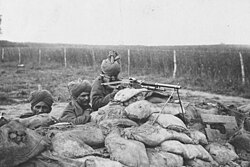
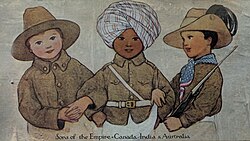
The British Empire provided a vast array of resources and manpower. While the United Kingdom led the effort under Prime Ministers H. H. Asquith and later David Lloyd George, the empire's Dominions—Canada, Australia, South Africa, New Zealand, and Newfoundland—contributed significant forces. British India also played a critical role, deploying soldiers across multiple fronts.
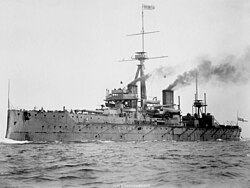
The British naval strategy was pivotal, with figures like Winston Churchill (First Lord of the Admiralty) and Admiral David Beatty managing the Grand Fleet to maintain maritime supremacy.
The French Republic
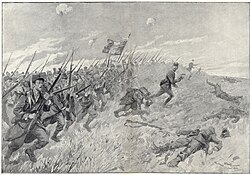
France was one of the primary battlegrounds of the Western Front. Under the leadership of President Raymond Poincaré and Prime Minister Georges Clemenceau, France mobilized millions. Military leadership transitioned from Marshal Joseph Joffre to Robert Nivelle and finally Philippe Pétain.
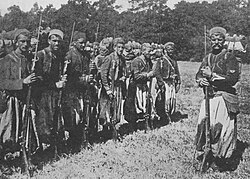
France also utilized its colonial assets, including the Army of Africa, to bolster its ranks.
The Russian Empire
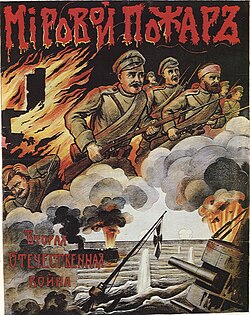
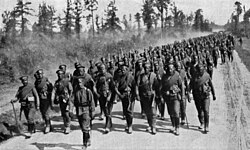
Russia entered the war in 1914 to support Serbia and France. Led by Emperor Nicholas II, the Russian army fought a grueling campaign on the Eastern Front. However, internal instability and revolution led to Russia's exit from the war in 1917.
The Empire of Japan
Japan joined the Allies to expand its influence in East Asia, focusing primarily on the Siege of Tsingtao and securing Pacific territories. They notably conducted the first ship-launched aerial attack in 1914 using the carrier Wakamiya.
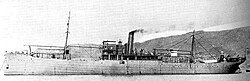
The Kingdom of Italy and the United States
Italy joined the Allies in 1915, fighting a difficult mountain war against Austria-Hungary. The United States, initially neutral, entered the conflict in 1917 under President Woodrow Wilson, providing a surge of fresh manpower and industrial capacity through the American Expeditionary Forces led by General John J. Pershing.
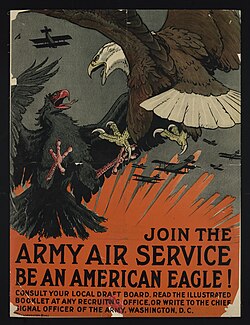
Affiliated States and Co-belligerents
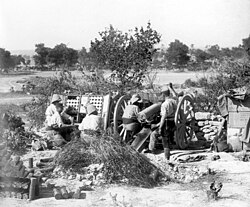
Beyond the principal powers, numerous other nations and non-state actors contributed to the Allied cause:
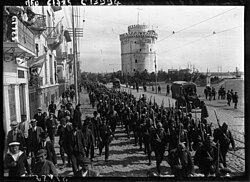
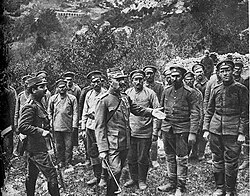
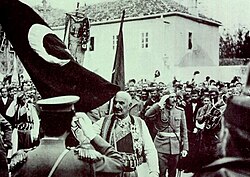
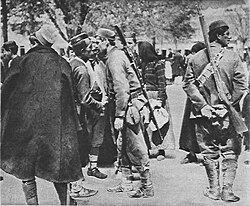
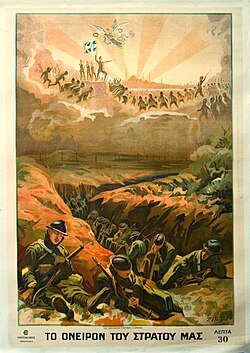
- Balkan Nations: Serbia, Montenegro, Greece, and Romania fought critical campaigns in Southeastern Europe.
- Western Europe: Belgium resisted German invasion from the start, utilizing its Force Publique from the Congo in East Africa.
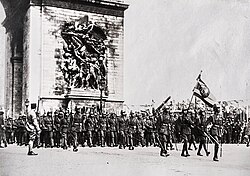
- Global Contributors: Brazil provided naval support and medical commissions, while Siam (now Thailand) sent an expeditionary force to Paris.
- Legions: Non-state combatants, including the Polish and Czechoslovak Legions, fought for the eventual independence of their homelands.
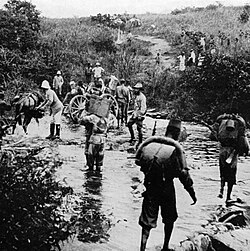
Summary of Allied Membership
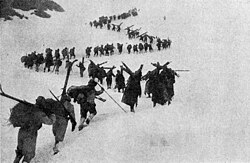
| Power/Nation | Status | Period of Participation | Key Leader(s) |
|---|---|---|---|
| France | Principal Power | 1914–1918 | Georges Clemenceau |
| British Empire | Principal Power | 1914–1918 | David Lloyd George |
| Russian Empire | Principal Power | 1914–1917 | Nicholas II |
| Japan | Principal Power | 1914–1918 | Hara Takashi |
| Italy | Principal Power | 1915–1918 | Vittorio Emanuele Orlando |
| United States | Co-belligerent | 1917–1918 | Woodrow Wilson |
| Brazil | Affiliated State | 1917–1918 | Venceslau Brás |
The Path to Victory
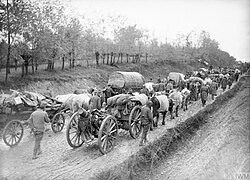
The coordination of these diverse forces culminated in 1918. The appointment of Marshal Ferdinand Foch as Supreme Allied Commander allowed for a unified strategy, integrating the efforts of the British, French, and American armies to break the stalemate of trench warfare.
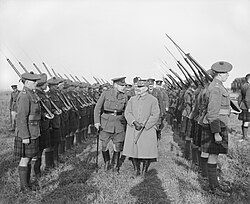
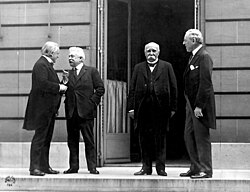
The war ended with the Council of Four—representing the US, UK, France, and Italy—shaping the post-war world at the Versailles Peace Conference.
Frequently Asked Questions
When did the United States join the Allied Powers?
The United States entered the war as a co-belligerent in 1917, providing critical military and industrial support that helped tip the balance of the conflict.
Why did the Russian Empire leave the alliance?
Russia exited the war in 1917 following internal political collapse and the Russian Revolution, which forced the new government to seek peace with the Central Powers.
What role did the British Dominions play?
Dominions such as Canada, Australia, and New Zealand provided independent military corps and leadership, fighting in theaters ranging from the Western Front to the Middle East.
Who was the Supreme Allied Commander?
Marshal Ferdinand Foch was appointed Supreme Allied Commander on March 26, 1918, to coordinate the various national armies during the final stages of the war.
Which non-European nations were part of the Allies?
Beyond the United States and Japan, the Allies included the British Empire's global territories, Brazil, and Siam.