Albanians: A Legacy of Resilience and Culture
The Albanians (Albanian: Shqiptarët) are an ethnic group primarily concentrated in the Balkan Peninsula of Southern Europe. With a global population estimated between 7 and 10 million, they possess a distinct linguistic and cultural identity that has persisted through millennia of geopolitical shifts, from the era of Late Antiquity to the modern day.
Central to the Albanian identity is the Albanian language, a unique branch of the Indo-European family. This linguistic heritage serves as a primary marker of ethnic cohesion across the various regions they inhabit.
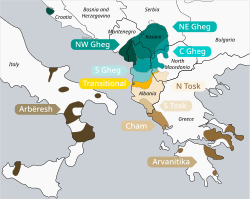
Key Facts
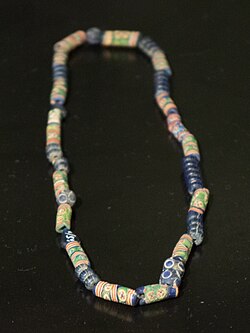
- Total Population: Approximately 7 to 10 million worldwide.
- Primary Regions: Albania and Kosovo.
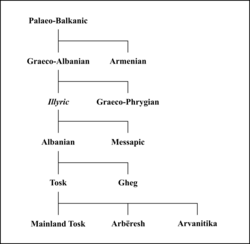
- Language: Albanian, a distinct Paleo-Balkanic Indo-European language.
- Core Values: Besa (code of honor) and the Kanun (traditional law).
- Global Presence: Significant diaspora communities in Italy, Greece, Turkey, the United States, and Germany.
Historical Evolution
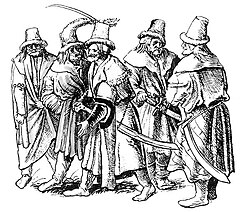
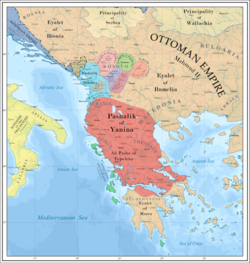
From Antiquity to the Middle Ages
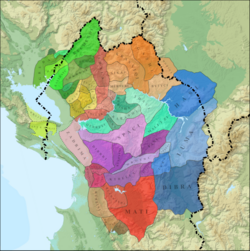
The origins of the Albanians are rooted in the Paleo-Balkanic branch of the Indo-European language family. During Late Antiquity and the Middle Ages, Albanian populations established themselves in the central regions of the modern Albanian republic, particularly in areas drained by the Devollit river.
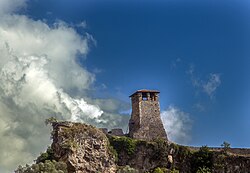
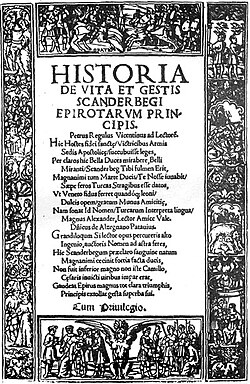
The medieval period saw the rise of local principalities, such as the Principality of Arbanon, with the city of Krujë serving as a royal seat and later as the residence of the noble Kastrioti family.
The Ottoman Era and the Renaissance
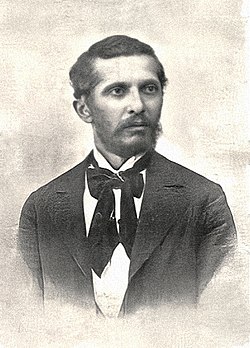
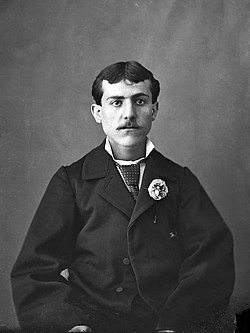
Following the Ottoman conquest, Albanians integrated into the empire's administrative and military structures. This period was marked by the emergence of the Albanian Renaissance (Rilindja), a national awakening that sought to standardize the language and foster a national identity. Key figures included Naum Veqilharxhi and Naim Frashëri, the latter being a pioneer of modern Albanian literature.
![Naum Veqilharxhi was one of the earliest figures of the early Albanian Renaissance.[192]](/images/6f/bf/6fbf8bd41dbd782ce12445cf2905ebdc8ed548dd2143626f839eeb5ca034114a.jpg)
The 20th Century: Communism and Independence
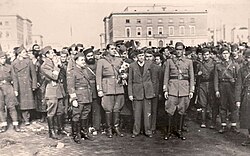
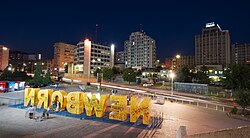
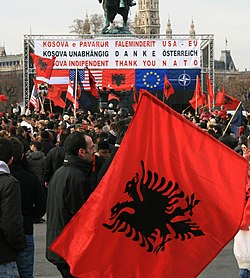
The 20th century brought drastic political changes, including a period of strict communism in Albania under Enver Hoxha. Following the collapse of the communist regime in 1990 and the subsequent Kosovo War in 1998, the region experienced significant political restructuring, culminating in the independence of Kosovo.
Culture and Traditions
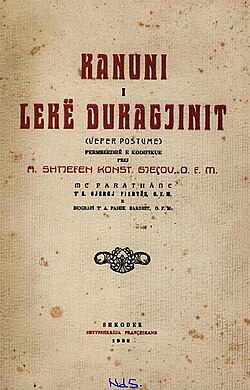
Social Codes: Kanun and Besa
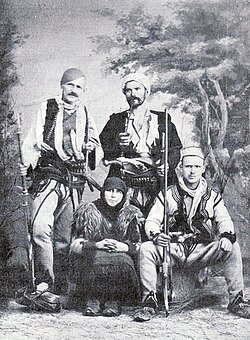
Traditional Albanian society was long governed by the Kanun, a set of customary laws. One of the most famous versions is the Kanun of Lekë Dukagjini. Closely linked to this is Besa, a sacred code of honor and hospitality that mandates the protection of guests as a moral imperative.
![Bukë, kripë e zemër is a traditional welcoming custom traced back to medieval Albanian law.[315] The Albanian code of honour, called Besa, resulted to look after guests as an act of hospitality.[316]](/images/78/d7/78d7e6a8f093e94fd893bd23d7785564a5a58c545d62d1ab402de00c1e18b176.jpg)
Arts and Literature
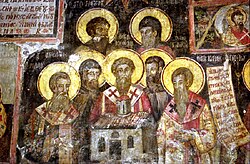
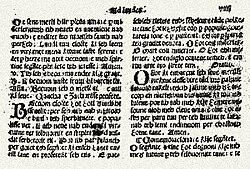
Albanian artistic expression ranges from the medieval icons of the Monastery of Ardenica to the works of Kolë Idromeno. In literature, the Meshari by Gjon Buzuku stands as the earliest published book in the Albanian language. Modern global influence is exemplified by figures such as Dua Lipa, the first Albanian to win a Grammy Award.
![Dua Lipa is the first Albanian to ever win a Grammy Award.[335][336]](/images/b9/d5/b9d5d86fa3cf7dae5174a2646b0bfb019ac9889a6ec2a02ad504edb1396a7350.jpg)
Music and Apparel
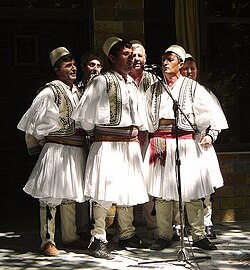
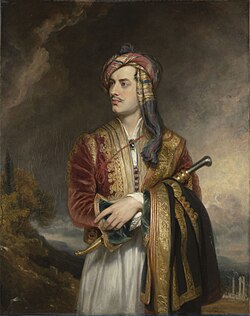
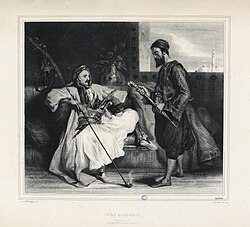
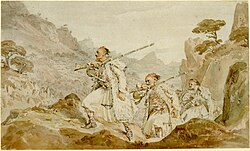
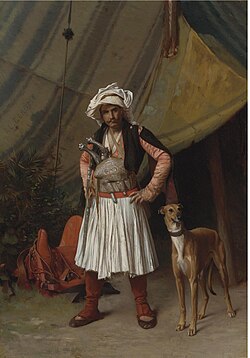
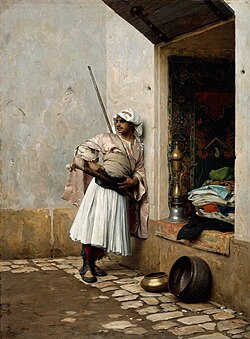
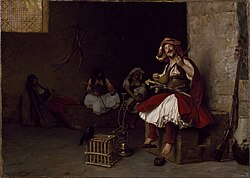
The cultural landscape is further enriched by Southern Albanian polyphonic singing and traditional attire, such as the Fustanella and Dollama, which were even adopted by figures like Lord Byron during his travels.
Global Distribution and Diaspora
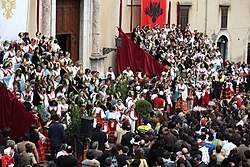
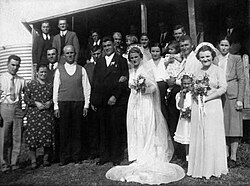
While the heartlands remain Albania and Kosovo, the Albanian diaspora is vast. Significant populations exist in Italy (including the Arbëreshë communities) and Greece. Migration waves in the 20th century led to established communities in North America, particularly in the United States and Canada, as well as in Australia and New Zealand.
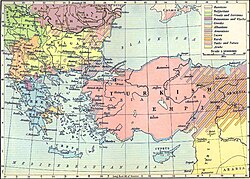
| Region/Country | Estimated Population |
|---|---|
| Albania | 2,182,917 (2023) |
| Kosovo | 1,454,963 (2024) |
| Italy | 970,000 |
| Turkey | 500,000 – 6,000,000 |
| Greece | 500,000 – 600,000 |
| United States | 194,028 |
| Germany | 200,000 – 300,000 |
Religion
![The historical settlement of the Arbanasi people is presently a neighborhood of Zadar in Croatia.[216]](/images/21/6d/216d281ce8a5101adc288ad2a72cc34441e3831521f5ecd285e429c452324df5.jpg)
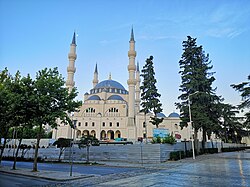
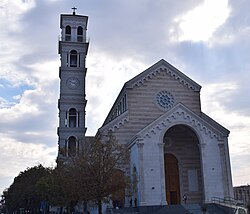
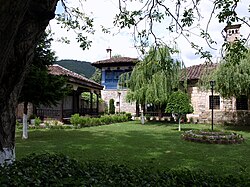
Albanians exhibit a diverse religious landscape. While Islam (including Sunni and Bektashi branches) is prevalent in many regions, there are significant Catholic and Orthodox Christian populations. In the diaspora, such as in Italy, the distribution is more evenly split between Muslim, Christian, and irreligious identities.
Frequently Asked Questions
What is Besa?
Besa is a traditional Albanian code of honor that emphasizes keeping a promise and providing absolute protection and hospitality to guests.
What is the Kanun?
The Kanun is a set of traditional customary laws that historically governed social behavior, family disputes, and community organization in Albania.
Which is the earliest book written in Albanian?
The Meshari, written by Gjon Buzuku, is recognized as the earliest published book in the Albanian language.
Where are the Arbëreshë people located?
The Arbëreshë are Albanians who settled in Southern Italy and Sicily, maintaining their distinct language and traditions over centuries.
What is the linguistic classification of the Albanian language?
Albanian is an Indo-European language that forms its own independent branch, often associated with the Paleo-Balkanic group.