Agriculture: The Foundation of Human Civilization and Global Economy
Agriculture is the fundamental practice of cultivating soil, planting, and harvesting crops for both food and non-food purposes, alongside the production of livestock. In its broadest sense, the term also encompasses forestry (the management of forests) and aquaculture (the farming of aquatic organisms). By creating food surpluses, agriculture enabled the rise of sedentary human civilizations, allowing populations to move away from nomadic lifestyles and establish permanent cities.
While humans began gathering wild grains at least 105,000 years ago, the transition to active farming—the intentional planting of seeds—only began approximately 11,500 years ago. This era also saw the domestication of essential animals, including sheep, goats, pigs, and cattle, roughly 10,000 years ago. Today, agriculture remains a cornerstone of global society, influencing rural economics and shaping the livelihoods of billions.
Key Facts
![Area 3 is no longer recognized as a center of origin. New Guinea (area P) was identified more recently.[13][14]](/images/12/dc/12dcbdc24b2cec27cb713105a24d748d89dd5f2e9791bea4b1acb46996be43dc.jpg)
- Origins: Nascent farming began around 11,500 years ago, with plants being independently cultivated in at least 11 different global regions.
- Land Distribution: While 1% of global farms are larger than 50 hectares, they control over 70% of the world's farmland.
- Smallholder Impact: Small farms (typically 1 hectare or smaller) produce approximately one-third of the world's food.
- Top Crops: Sugar cane, maize, rice, and wheat are among the highest-producing individual crops globally.
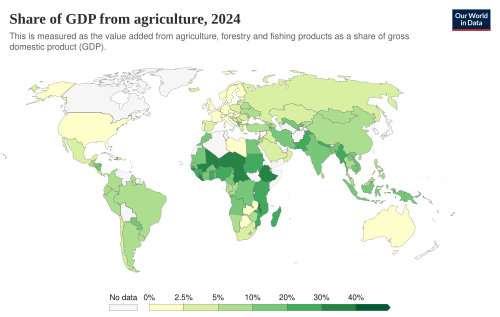
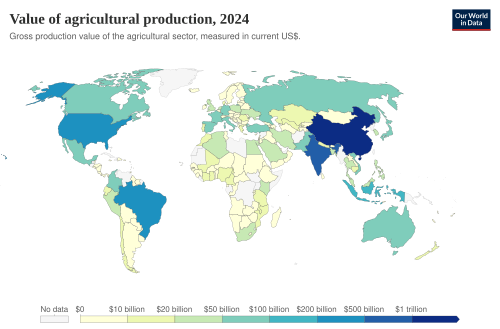
- Economic Drivers: Agriculture is a primary driver of GDP in many nations, with China and India leading in total output.
The Evolution of Farming Systems
Historical Origins and Civilizations
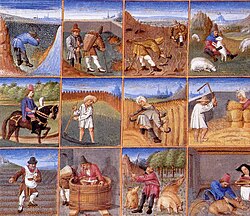
The history of agriculture is a story of geographic expansion and technological shifts. Early farming practices were localized, but as techniques improved, agricultural knowledge spread across continents. For example, DNA studies indicate that agriculture was introduced to Europe through the expansion of early farmers from Anatolia approximately 9,000 years ago.
![Map of the world showing approximate centers of origin of agriculture and its spread in prehistory.[33] DNA studies have shown that agriculture was introduced in Europe by the expansion of the early farmers from Anatolia about 9,000 years ago.[34]](/images/fb/ce/fbcedea371c23b9724cced0b0232407ecee2b3adc9d74a886cd702223c5f2a11.webp)
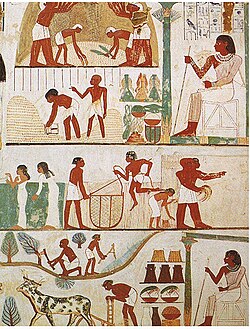
Ancient civilizations, such as those in Egypt, developed sophisticated methods for managing their land. Historical records and tomb paintings provide glimpses into ancient practices like harvesting with sickles, digging, and ploughing.
From Traditional to Industrial Agriculture
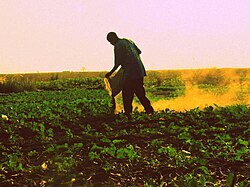
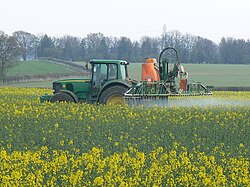
For much of human history, farming was a localized, subsistence-based activity. However, the 20th century ushered in the era of industrial agriculture. This period is characterized by large-scale monocultures—the cultivation of a single crop over a wide area—which has come to dominate global agricultural output.
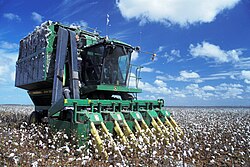
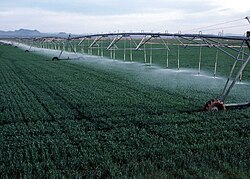
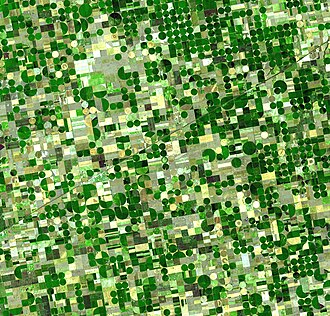
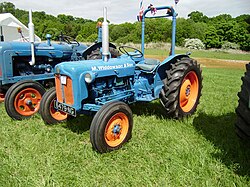
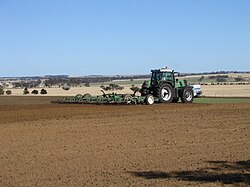
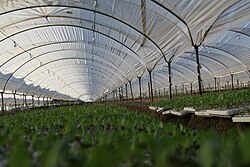
Modern farming often utilizes advanced machinery and irrigation to maximize efficiency. Systems like center-pivot irrigation allow for precise water management in large fields, while mechanization has significantly increased the scale of production compared to manual labor.
Global Production and Economic Impact
Agriculture is a massive global industry with varying scales of operation. There is a stark contrast between the sheer number of small farms and the land dominance of large-scale operations. Five out of every six farms in the world are smaller than 2 hectares, yet they occupy only about 12% of all agricultural land.
| Farm Category | Percentage of Total Farms | Percentage of Total Farmland |
|---|---|---|
| Small Farms (< 2 hectares) | ~83% | ~12% |
| Large Farms (> 50 hectares) | 1% | > 70% |
| Mega Farms (> 1,000 hectares) | Unknown | ~40% |
Leading Agricultural Producers
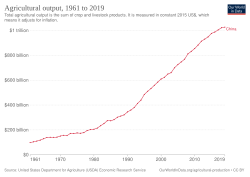
Agricultural output varies significantly by nation. As of 2018, China held the highest nominal agricultural output at $1,117 billion, followed by India at $414 billion. The United States and Brazil also remain major global players in the sector.
Crop and Livestock Varieties
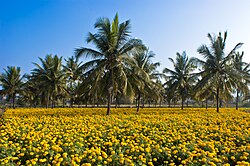
The diversity of agricultural products is immense. Cereals, vegetables, and roots/tubers represent the largest categories by tonnage. In terms of individual crops, sugar cane leads global production, followed closely by maize and rice.
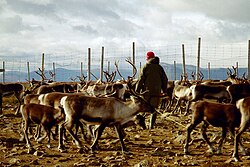
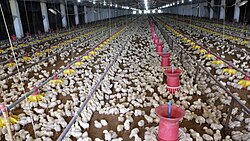
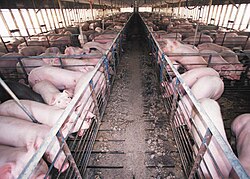
Livestock production is equally vital, involving the intensive or extensive raising of animals for meat, milk, and other products. This includes everything from large-scale poultry houses to pastoral systems where herds, such as reindeer, form the basis of local economies.
Modern Challenges and Innovations
Biotechnology and Plant Breeding
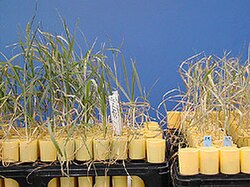
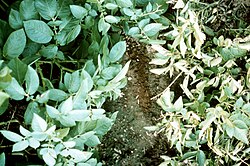
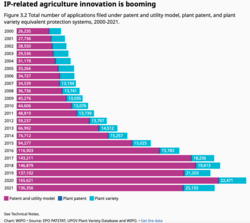
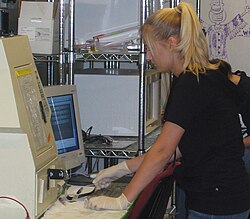
To meet the demands of a growing population, scientists use biotechnology and genetic engineering to improve crop resilience. This includes developing cultivars that are tolerant of high salinity or resistant to specific viruses. Plant breeding remains a core discipline in ensuring food security through improved yields and stability.
Environmental Impact and Sustainability
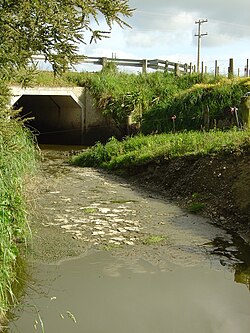
Modern agriculture faces significant environmental hurdles. Issues such as water pollution from runoff, soil erosion, and the contribution to climate change are central to contemporary agricultural science. The industry is increasingly looking toward sustainable agriculture—practices that meet current needs without compromising the ability of future generations to meet theirs.
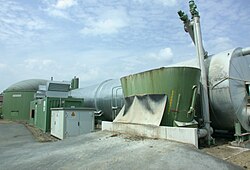
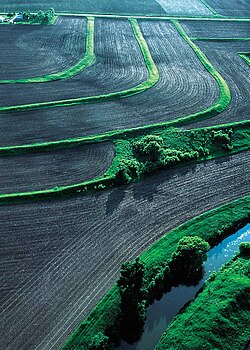
Innovations like anaerobic digesters, which convert waste into biogas, and conservation tillage, which reduces soil erosion, are helping to mitigate these impacts. Furthermore, managing water withdrawal is critical, as agriculture accounts for a significant portion of global water use.
Frequently Asked Questions
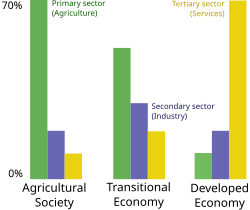
![Recent trends of employment in agriculture (including forestry and fishing) by region[92]](/images/e2/4e/e24e61bf730a3f2ba095d286b55d59c4442d5105431646bbe72fbdf340180660.webp)
![Worldwide employment In agriculture, forestry and fishing in 2023[92]](/images/c5/11/c511ac2b96b9da634be6db416e83525ac2bd7c6fb139547d2827ff04af9b41fd.webp)
![Countries with the highest share of water withdrawal by agriculture in total withdrawal (2022)[92]](/images/4e/6c/4e6ccd58bdf603867d3532d01c68d6deb1953b19f1bfbf436da05a9e778d0463.webp)
![World farm-gate greenhouse gas emissions by activity[92]](/images/03/16/0316c02632a71a003586faba344f9e55d5b154d9f3c7f5f348b17d1fbd350b16.webp)
![In 19th-century Britain, the protectionist Corn Laws led to high prices and widespread protest, such as this 1846 meeting of the Anti–Corn Law League.[257]](/images/f0/d2/f0d26892d49720d080e9fb0476d7d2f9dc2d02e7cfc144cca470f5da1afc4664.jpg)
What is the difference between agriculture and farming?
While often used interchangeably, agriculture is a broader term that includes the cultivation of crops, livestock production, forestry, and aquaculture. Farming typically refers specifically to the act of managing land and crops or animals.
How does industrial agriculture differ from traditional farming?
Industrial agriculture relies on large-scale monocultures, heavy mechanization, and intensive use of technology and inputs. Traditional farming is often more localized, diverse, and may rely more on manual labor or smaller-scale biological processes.
Why are small farms important if they use so little land?
Despite occupying only about 12% of agricultural land, small farms are incredibly productive in terms of food diversity and volume, producing approximately one-third of the world's food supply.
How does climate change affect agriculture?
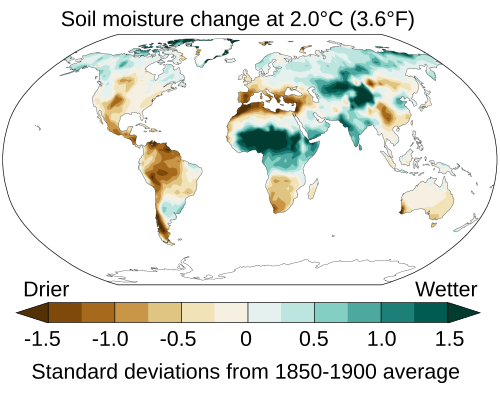
Climate change can alter soil moisture levels, affect crop yields, and increase the frequency of extreme weather events, all of which pose risks to global food security and agricultural stability.
What is biotechnology in agriculture?
Biotechnology involves using scientific tools, such as genetic engineering and plant breeding, to modify organisms to improve desirable traits like disease resistance, nutritional value, or tolerance to environmental stress.