African People: Population, Diversity, and the Global Diaspora
The term African people, or Africans, serves as an umbrella designation for individuals belonging to any ethnic, racial, or national group with origins in Africa. In contemporary usage, this primarily encompasses people currently residing on the African continent as well as the African diaspora—those of African descent living elsewhere in the world.
Africa is a region of immense human diversity, characterized by a vast array of cultural identities and a rapidly evolving demographic landscape.
Key Facts
- Total Population: Estimated at 1.2 billion people as of 2017.
- Ethnic Diversity: Over 150 different ethnic groups reside within the continent.
- Most Populous Nations: Nigeria (220 million) and Ethiopia (128 million).
- Global Presence: Approximately 43 million African migrants lived outside their country of birth as of 2024.
- Major Diaspora Hubs: Brazil and the United States hold some of the largest populations of African descent.
Population and Demographics
The demographic scale of Africa is significant, with a total population estimated at 1.2 billion people in 2017. This population is distributed across a wide variety of nations, with Nigeria standing as the most populous country, reaching 220 million people. Ethiopia follows as the second most populous with 128 million residents.
Beyond national borders, the continent is a hub of internal and external movement. In 2020, reports indicated that Africa hosted over 25 million international migrants, while nearly 87 million international migrants were associated with the region in the same year.
Ethnic and Cultural Variety
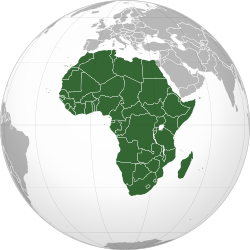
Africa is one of the most ethnically diverse regions on Earth, with more than 150 known ethnic groups residing across the continent. This variety reflects a complex history of migration, social evolution, and cultural development.
The African Diaspora
The African diaspora refers to the movement of people from Africa to other parts of the world, whether voluntary or forced. This global spread has resulted in significant populations of African ancestry in the Americas.
Brazil possesses the highest proportion of the African diaspora. Data from 2022 indicates figures ranging between 20 million and 112 million people. According to the 2022 Brazilian census, 20,656,458 individuals self-identified as preto (black), while 92,083,286 identified as pardo (brown), a category for those of mixed racial ancestry. While there is debate regarding the ancestry of all pardos, the majority are considered to have some degree of African descent.
The United States also hosts a substantial diaspora population, reported at 40 million people as of 2020.
| Category | Region/Country | Statistic | Reference Year |
|---|---|---|---|
| Total Population | Africa (Continent) | 1.2 Billion | 2017 |
| National Population | Nigeria | 220 Million | Recent |
| National Population | Ethiopia | 128 Million | Recent |
| Diaspora Population | United States | 40 Million | 2020 |
| Diaspora Population | Brazil | 20M - 112M | 2022 |
| External Migrants | Global | 43 Million | 2024 |
Frequently Asked Questions
Who is considered an African person?
An African person is anyone belonging to an ethnic, racial, or national group with origins in Africa, including those currently living on the continent and those in the global diaspora.
Which is the most populous country in Africa?
Nigeria is the most populous country in Africa, with a population of 220 million people.
How many ethnic groups are there in Africa?
There are over 150 different known ethnic groups residing across the African continent.
Where is the largest African diaspora located?
Brazil has the highest proportion of the African diaspora, with estimates ranging from 20 million to 112 million people depending on the classification of racial identity.
What is the difference between 'preto' and 'pardo' in Brazil?
In the Brazilian census, 'preto' refers to those who identify as black, while 'pardo' refers to individuals of mixed racial ancestry, the majority of whom have African descent.