African Bush Elephant
The African bush elephant (Loxodonta africana) is one of the most iconic and largest land mammals on Earth. Belonging to the order Proboscidea, these majestic creatures are known for their immense size, deep social bonds, and remarkable intelligence. From the vast savannas of Namibia to the wetlands of Botswana, they play a critical role in shaping their ecosystems.
Historically present since the Pleistocene epoch, the African bush elephant is distinct from its forest-dwelling relative. Today, it faces significant challenges that have led to its classification as an Endangered species by the IUCN.
Key Facts
- Scientific Name: Loxodonta africana
- Conservation Status: Endangered (IUCN 3.1)
- Temporal Range: Pleistocene to Recent
- Key Characteristics: Large ears, ivory tusks, and a highly versatile trunk
- Primary Threats: Poaching for ivory and habitat loss
Physical Characteristics and Biology
Size and Anatomy
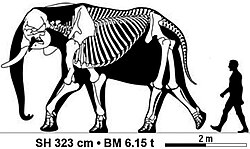
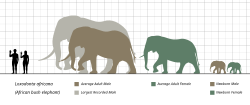
The African bush elephant is characterized by its massive frame. Its skeletal structure is designed to support immense weight while allowing for surprising mobility across diverse terrains.
Dentition and Tusks
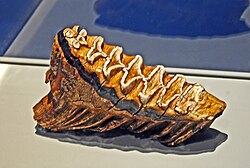
One of the most distinctive features of the species is its dentition. Elephants possess specialized molars used for grinding tough vegetation. Their tusks are actually modified incisor teeth that grow throughout their lives, serving as tools for digging, stripping bark, and defense.
Skin and Temperature Regulation
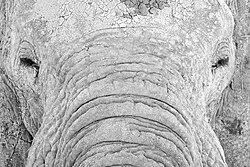
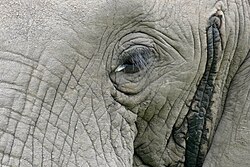
To survive the intense heat of the African sun, these elephants have evolved unique temperature regulation mechanisms. Their skin is thick but contains deep cracks that help retain moisture and mud, which protects them from UV radiation and parasites.
Behavior and Ecology
Social Structure and Communication
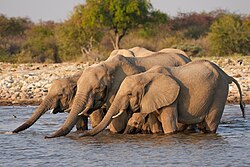
Elephants live in complex social groups. Females and calves form tight-knit herds, while adult males may live in all-male groups or remain solitary. They communicate through a variety of methods, including vocalizations, touch, and chemical signals.
Diet and Foraging
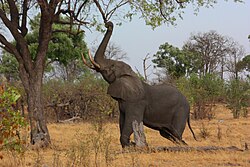
As herbivores, African bush elephants consume a vast array of plant matter. They use their trunks to break off tree branches, pull up grass, and dig for roots, often acting as "ecosystem engineers" by creating clearings and water holes that benefit other species.
The Phenomenon of Musth
Musth is a periodic state of heightened aggression and sexual activity found in adult bull elephants. During musth, testosterone levels rise significantly, leading to increased irritability and a distinct secretion from the temporal glands.
Reproduction
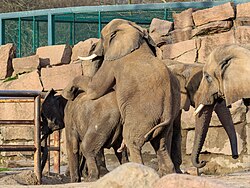
Reproduction in African bush elephants is a slow process. Females have long gestation periods and invest heavily in the care of a single calf, ensuring a high survival rate within the protection of the herd.
Intelligence and Cognition
Research indicates that African bush elephants possess high levels of intelligence. They have demonstrated the ability to cooperate in tasks, recognize themselves in mirrors, and use tools. Their capacity for empathy and mourning is well-documented, reflecting a sophisticated emotional life.
Threats and Conservation
Poaching and Habitat Loss
The most immediate threat to the species is poaching, driven by the illegal trade in ivory. This has not only reduced population numbers but has also led to an evolutionary trend of tusklessness in some populations as a survival mechanism. Additionally, habitat fragmentation limits their ability to migrate and find resources.
Conservation Efforts
International efforts, including CITES Appendix I listings, aim to ban the ivory trade and protect critical habitats. Conservationists focus on landscape management and community-based protection to mitigate human-elephant conflict.
Summary of Species Profile
| Category | Details |
|---|---|
| Kingdom | Animalia |
| Family | Elephantidae |
| Conservation Status | Endangered |
| Diet | Herbivorous |
| Key Threat | Ivory Poaching |
Frequently Asked Questions
What is the difference between a bull and a cow elephant?
Bulls are adult males, which are generally larger and may experience musth. Cows are adult females, who lead the social herds and raise the calves.
What is musth in elephants?
Musth is a periodic physiological state in bull elephants characterized by a surge in testosterone, increased aggression, and the secretion of fluid from the temples.
Why are African bush elephants endangered?
They are primarily endangered due to illegal poaching for their ivory tusks and the loss of their natural habitats due to human expansion.
How do elephants regulate their body temperature?
They use their large ears to dissipate heat and apply mud and dust to their skin to protect against the sun and retain moisture.
Are African bush elephants intelligent?
Yes, they are highly intelligent animals capable of cooperation, complex communication, and demonstrating emotional responses such as grief.