Asian Elephant: Biology, Behavior, and Conservation Challenges
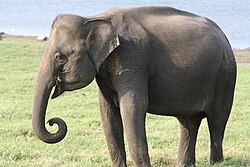
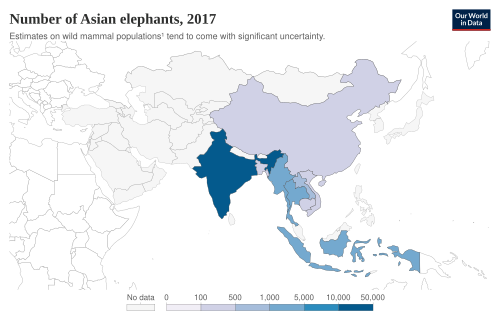
The Asian elephant (Elephas maximus) is one of the most iconic and intelligent land mammals on Earth. As a member of the order Proboscidea, these majestic creatures have played a significant role in the ecology of Asia and the cultural history of the humans who live alongside them. From the dense jungles of Sumatra to the scrub forests of Sri Lanka, the Asian elephant is a keystone species that shapes its environment through its immense size and dietary needs.
Despite their cultural prominence, these animals face severe threats that have led to their classification as Endangered by the IUCN. Understanding their biological needs and the pressures they face is critical for their long-term survival.
Key Facts
- Scientific Name: Elephas maximus
- Conservation Status: Endangered (IUCN 3.1)
- Diet: Megaherbivores (consuming vast quantities of plant matter)
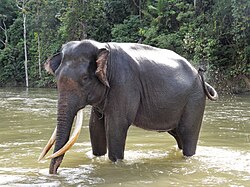
- Subspecies: Three recognized (Sri Lankan, Indian, and Sumatran)
- Legal Protection: Listed under CITES Appendix I
Taxonomy and Evolution
The Asian elephant belongs to the family Elephantidae and the genus Elephas. Based on morphological and DNA evidence, scientists recognize three distinct subspecies:
- Sri Lankan elephant (E. maximus maximus)
- Indian elephant (E. maximus indicus)
- Sumatran elephant (E. maximus sumatranus)
Their evolutionary lineage dates back to the Pleistocene epoch, and they continue to be the primary representatives of their genus in the modern era.
Physical Characteristics
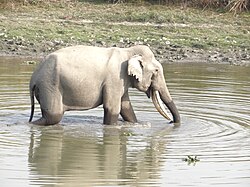
Asian elephants are distinguished by several unique physical traits. Unlike their African cousins, they generally have smaller ears and a more rounded back. Their skin often exhibits depigmentation—the loss of pigment—which appears as pinkish spots on the forehead and ears as they age.
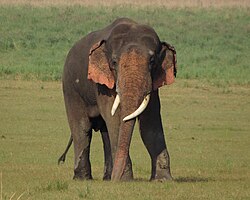
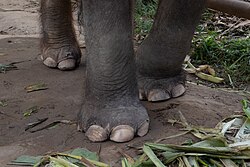
Their skeletal structure is massive, designed to support several tons of weight. On their feet, they possess nail-like structures on their toes that help them navigate diverse terrains.

Ecology and Behavior
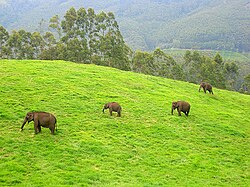
As megaherbivores, Asian elephants consume enormous amounts of vegetation, including grasses, bark, and fruits. This grazing behavior helps maintain the structure of the forests they inhabit.
Social Structure
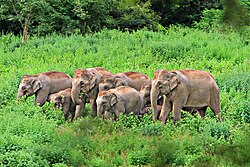
The social organization of Asian elephants is complex and deeply rooted in family bonds. Cows (females) and calves live in closely knit groups, while adult males often lead more solitary lives or form loose associations. These family units are characterized by strong emotional ties and cooperative care for the young.

Intelligence and Communication
Asian elephants are renowned for their high cognitive abilities. They have been observed using tools, such as modifying branches to swat flies, and they demonstrate self-awareness, as evidenced by their ability to recognize themselves in mirrors. Communication is achieved through a variety of means, including chemical signals (pheromones) and infrasonic sounds that can travel long distances.
Threats and Conservation
The survival of the Asian elephant is currently jeopardized by several intersecting factors. The most pressing is human-elephant conflict, which often arises when forests are cleared for agriculture, such as jhum (a form of shifting cultivation), forcing elephants into human settlements in search of food.


Poaching and Disease
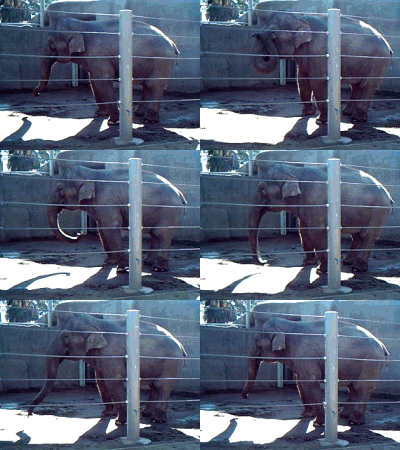
Poaching remains a critical threat, driven by the illegal trade in ivory for tusks and the demand for elephant skin. Additionally, diseases and the stresses of captivity can impact population health. In captive environments, some elephants exhibit rhythmic swaying, a behavior not seen in the wild, which may indicate psychological distress.
Conservation Efforts
International efforts, including CITES Appendix I protections, aim to halt the illegal trade of elephant parts. In countries like India, initiatives such as "Project Elephant" work to protect habitats and mitigate conflicts between humans and wildlife.
Cultural Significance
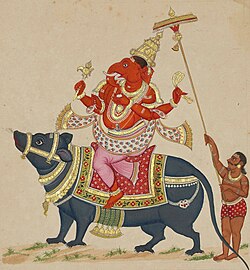
Elephants have been integrated into Asian cultures for millennia. They have served as war elephants, symbols of royalty (the "white elephant"), and religious icons. In Hinduism, the deity Ganesha is depicted with an elephant head, symbolizing wisdom and the removal of obstacles.
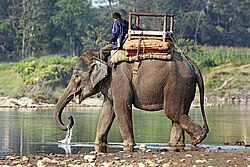
While some countries still utilize elephants for safari tourism, there is a growing global movement toward ethical treatment and the preservation of these animals in their natural wild habitats.
Summary of Asian Elephant Subspecies
| Subspecies | Scientific Name | Primary Region |
|---|---|---|
| Sri Lankan Elephant | E. m. maximus | Sri Lanka |
| Indian Elephant | E. m. indicus | India, Southeast Asia |
| Sumatran Elephant | E. m. sumatranus | Sumatra, Indonesia |
Frequently Asked Questions
What is the difference between an Asian elephant and an African elephant?
Asian elephants generally have smaller ears, a more rounded back, and a single "finger" at the tip of their trunk, whereas African elephants have larger ears and two "fingers" at the trunk's tip.
Why are Asian elephants considered endangered?
They are endangered primarily due to habitat loss from deforestation and agriculture, as well as poaching for ivory and skin.
What is "musth" in Asian elephants?
Musth is a periodic condition in bull elephants characterized by a significant increase in testosterone, leading to heightened aggression and the secretion of a chemical signal called frontalin.
How intelligent are Asian elephants?
They are highly intelligent, capable of tool use, causal reasoning, and demonstrating self-awareness through mirror tests.
What is the role of the Asian elephant in its ecosystem?
As megaherbivores, they act as ecosystem engineers by clearing paths in forests and dispersing seeds through their waste, which promotes plant diversity.