African-American Music: A History of Cultural Resilience and Innovation
African-American music is a vast and diverse tapestry of genres developed by African Americans and their culture. From its earliest roots in the struggle against enslavement to its current global dominance, this musical tradition has fundamentally shaped the sound of the United States. It is often noted that nearly every genre born in America possesses black roots, reflecting a profound influence on both national and international art forms.
Key Facts
- Origins: Developed from musical forms created during the era of enslavement prior to the American Civil War.
- Foundational Genres: Work songs and spirituals served as tools for survival, communication, and spiritual endurance.
- Evolution: Ragtime and jazz emerged from a blend of European military band music and Sub-Saharan African polyrhythmic structures.
- Classical Milestones: William Grant Still and Florence Beatrice Price were pioneers in bringing Black symphonic music to major orchestras.
- Modern Impact: Genres like R&B, soul, and hip hop have redefined global popular music in the 20th and 21st centuries.
The Roots of Resilience: Enslavement and Early Forms
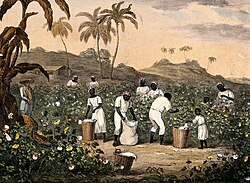
The origins of African-American music are inextricably linked to the brutal conditions of enslavement. White slave owners sought to subjugate African Americans physically, mentally, and spiritually. In response, enslaved people created a distinctive musical language to combat these hardships.
Work songs were essential tools used to endure grueling physical labor and to communicate covertly. For example, the song "Wade in the Water" was used as a warning for those attempting to escape, instructing them to move through water to hide their scent and trails from pursuers.
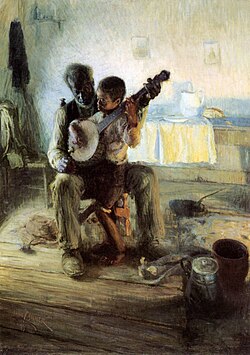
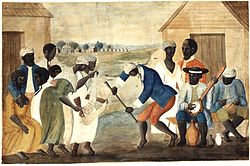
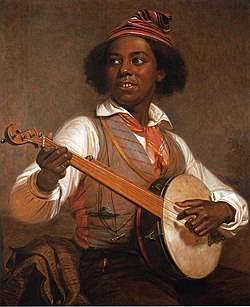
During this era, instruments like the banjo became central to the musical expression of enslaved people, blending African rhythmic sensibilities with available materials.
Post-Civil War Evolution: From Ragtime to Jazz
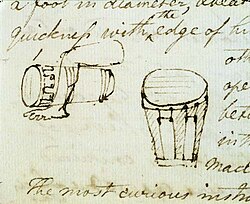
Following the Civil War, African Americans began integrating European musical elements, particularly through military bands. This fusion led to the creation of ragtime, a syncopated style that eventually evolved into jazz. Jazz incorporated the sophisticated polyrhythmic structures—complex, overlapping rhythms—found in the dance and folk music of western and Sub-Saharan Africa.

The Rise of Professional Troupes and Barbershop Harmony
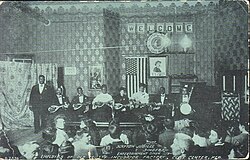
The late 19th century saw the professionalization of Black music. The Fisk University Jubilee Singers began touring in 1871, and the Hyers Sisters Comic Opera Co. became the first black musical-comedy troupe in 1876. Simultaneously, barbershops became vital community hubs where men developed barbershop quartets—a style of unaccompanied, four-part close-harmony singing based on spirituals and folk songs.
Breaking Barriers in the Early 20th Century
By the turn of the century, African-American musicians began infiltrating the worlds of Broadway and opera. In 1898, Bob Cole and Billy Johnson produced the first musical written and produced by African Americans on Broadway. In 1900, Theodore Drury founded the Drury Opera Company, which featured Black singers in leading roles.
Classical music also saw a shift. While initially excluded from major orchestras, Black musicians studied at conservatories like the Oberlin School of Music and the New England Conservatory. This led to the formation of independent Black symphony orchestras in cities like Philadelphia, Chicago, and New Orleans.
Symphonic Achievements
The 1930s marked a turning point for Black composers in the classical realm:
- William Grant Still: His Afro-American Symphony (1930) was the first symphony by a Black composer performed by a major orchestra (the New York Philharmonic).
- Florence Beatrice Price: Her Symphony in E minor was performed by the Chicago Symphony Orchestra in 1933.
- William Dawson: His Negro Folk Symphony was performed by the Philadelphia Orchestra in 1934.
The Mid-Century Shift: R&B, Rock 'n' Roll, and Soul
In 1942, Billboard began tracking African-American hits via the "Harlem Hit Parade," which later became "Race Records" and eventually "Rhythm and Blues Records" in 1949. This era saw the birth of Rhythm and Blues (R&B), which served as the foundation for rock 'n' roll.
Fats Domino famously noted that what the world called rock 'n' roll was simply the R&B he had been playing in New Orleans for years. Even Elvis Presley acknowledged Fats Domino as the "real King of Rock 'n' Roll," citing him as a massive influence.
Innovation in Sound and Social Awareness
The 1960s brought further experimentation. Jimi Hendrix revolutionized the electric guitar by using audio feedback, fuzz, and the wah-wah pedal. This period also saw the rise of psychedelic soul and album-oriented soul. Artists like Marvin Gaye (What's Going On) and Stevie Wonder (Innervisions) introduced introspective, socially aware lyrics that addressed the political climate of the time.
Modern Eras: Hip Hop and Global Dominance
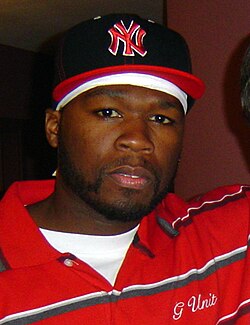
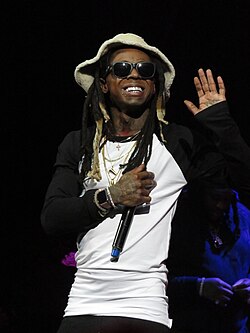
From the late 20th century into the 21st, African-American music continued to dominate commercial charts. The 2000s saw the massive commercial success of rappers like 50 Cent and Lil Wayne, both of whom achieved first-week sales exceeding one million copies for their respective albums, The Massacre and Tha Carter III.
Despite a statistical anomaly in 2013 where no African-American musician held the Billboard Hot 100 number one spot, the influence of artists like Beyoncé, Jay Z, and Kendrick Lamar remains unparalleled. In 2025, Beyoncé became the first Black woman to win Best Country Album at the Grammys, while Kendrick Lamar's "Not Like Us" became the most awarded song in Grammy history.
Cultural and Global Impact
The impact of this music extends beyond the charts. The 1969 Harlem Cultural Festival celebrated Black pride, featuring legends like Nina Simone and B.B. King. Internationally, these sounds evolved into new forms such as Afrobeat and have heavily influenced global genres, including K-pop, though the latter has faced criticism for racial appropriation and a lack of Black representation.
| Era | Primary Genres/Forms | Key Characteristics |
|---|---|---|
| Pre-Civil War | Work Songs, Spirituals | Communication, survival, and spiritual endurance. |
| Late 19th Century | Ragtime, Barbershop | Syncopation, close-harmony singing. |
| Early 20th Century | Jazz, Classical | Polyrhythms, symphonic integration. |
| Mid-20th Century | R&B, Soul, Rock 'n' Roll | Electric innovation, social consciousness. |
| Modern Era | Hip Hop, Contemporary R&B | Global commercial dominance, genre-blending. |
Frequently Asked Questions
What were work songs used for during enslavement?
Work songs were used to help enslaved people cope with the hardships of physical labor and to communicate with one another without the knowledge of slave owners. Some songs, like "Wade in the Water," provided specific instructions for those escaping to slavery.
How did ragtime evolve into jazz?
Ragtime developed from the blending of European military band music with African rhythmic sensibilities. This evolved into jazz by incorporating the sophisticated polyrhythmic structures of dance and folk music from Sub-Saharan and western Africa.
Who were the first Black composers to have symphonies performed by major orchestras?
William Grant Still was the first, with the New York Philharmonic performing his Afro-American Symphony in 1930. He was followed by Florence Beatrice Price (1933) and William Dawson (1934).
What is the relationship between R&B and Rock 'n' Roll?
Rhythm and Blues (R&B) served as the fundamental influence for 1950s rock 'n' roll. Artists like Fats Domino played R&B long before the term "rock 'n' roll" became popular, and early rockers of all races were heavily influenced by this Black popular music.
What was the significance of the Harlem Cultural Festival?
Held in 1969, the festival celebrated African-American music and culture while promoting Black pride. It featured a wide array of legendary artists, including Stevie Wonder, Nina Simone, and B.B. King, drawing tens of thousands of attendees.