AEG: The Rise and Evolution of a Global Electrical Giant
The story of AEG is more than just a corporate history; it is a chronicle of the electrification of the modern world. From its origins in the late 19th century to its integration into global conglomerates, AEG stood as a titan of German engineering, pioneering everything from the first electric trams to advanced aerospace technology.
Founded on the vision of Emil Rathenau, the company transformed from a small venture focused on light bulbs into one of the most important industrial undertakings in the world, shaping the infrastructure of cities and the design of household appliances for over a century.
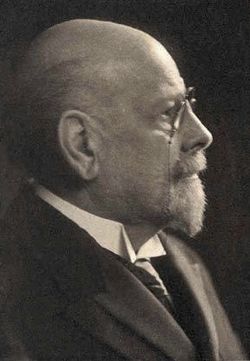
Key Facts
- Founded: April 19, 1883, by Emil Rathenau in Berlin.
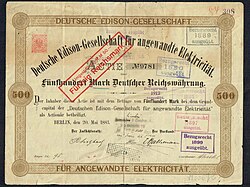
- Original Name: Deutsche Edison-Gesellschaft für angewandte Elektrizität.
- Peak Influence: Recognized by the 1930 Encyclopædia Britannica as the largest electrical manufacturing concern in Germany.
- Diversification: Expanded into automotive, aerospace, telecommunications, and home appliances.
- Final Fate: Merged into Daimler-Benz in 1996; household brand licensed to Electrolux.
The Foundation and Early Innovation (1883–1900)
AEG began as the Deutsche Edison-Gesellschaft für angewandte Elektrizität. Emil Rathenau had acquired the rights to the electric light bulb at the 1881 International Exposition of Electricity in Paris, which became the catalyst for the company's initial focus on electrical lighting.
Despite high costs, AEG successfully introduced electrical lighting to theaters, restaurants, and cafés using small power stations. By the close of the 19th century, the company had constructed 248 power stations, generating 210,000 hp to power household devices, tramways, and lighting systems.
The Leap to Alternating Current
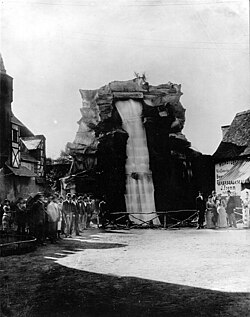
A pivotal moment occurred in 1891 when Miller and Dobrovolski demonstrated the transmission of electrical power over 175 km from a hydroelectric plant in Lauffen am Neckar to Frankfurt. This feat, which powered 1,000 light bulbs and an artificial waterfall, proved that alternating current (AC)—electricity that reverses direction periodically—could be transmitted over long distances economically.
Industrial Expansion and Corporate Identity
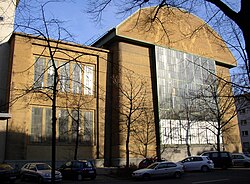
In 1888, the company was renamed Allgemeine Elektrizitäts-Gesellschaft. As it grew, AEG didn't just focus on engineering; it pioneered corporate identity. In 1907, the appointment of Peter Behrens as artistic consultant ensured that products and advertising shared a unified design language, marking a milestone in industrial design.
The company's portfolio expanded rapidly to include:
- Power Infrastructure: Steam turbines, dynamos, and transformers.
- Consumer Goods: The invention of the hairdryer in 1900.
- Transportation: The first major electric tram system in Germany (Halle/Saale) and record-breaking railcars.
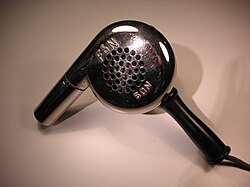
Diversification: Rails, Air, and Road
AEG's engineering prowess led it into several high-tech sectors during the early 20th century. In the railway sector, the company produced electric locomotives and acquired Borsig in 1931 to bolster locomotive production.
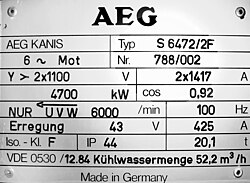
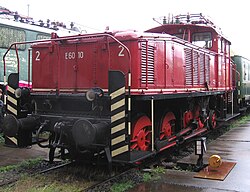
The company also entered the aerospace market in 1910. Between 1912 and 1918, AEG manufactured various aircraft, ranging from wooden biplanes to the AEG R.I, a "giant aircraft" powered by four Mercedes engines.
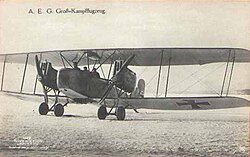
In the automotive sector, AEG produced several car models, including the AAG (1900) and the NAG Typ A and B series.
The Dark Era: Nazi Germany and World War II
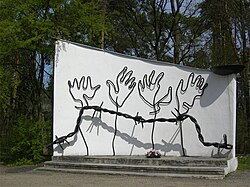
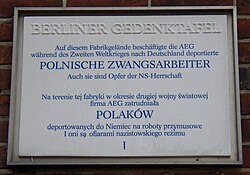
During the 1930s and 40s, AEG aligned itself with the Nazi party, providing financial donations and supporting the re-armament of the Wehrmacht, Luftwaffe, and Kriegsmarine. This period is marked by severe human rights abuses, as the company utilized forced laborers and concentration camp prisoners under inhuman conditions.
In occupied Poland, AEG operated the Kabelwerk Krakow plant and installed systems at Waffen-SS training grounds in Dębica, utilizing forced Jewish labor from the Pustkow labor camp.
Post-War Recovery and Financial Decline
Following WWII, AEG lost its eastern German assets and relocated its headquarters to Frankfurt am Main in 1950. While the company saw a surge in employees and turnover during the 1950s, the 1970s brought significant financial instability.
Unsuccessful large-scale projects, such as an automated baggage system at Frankfurt Airport and technical delays at the Würgassen nuclear power plant, cost the company hundreds of millions of DM. This led to the sale of the Telefunken consumer electronics division in 1983.
The Final Transition and Legacy
In 1985, Daimler-Benz acquired AEG, eventually integrating it fully by 1996. The industrial remnants of the company became part of Adtranz and Deutsche Aerospace. Today, the AEG brand name for household appliances is owned and licensed by Electrolux.
| Period | Entity Name | Key Focus/Outcome |
|---|---|---|
| 1883–1887 | Deutsche Edison-Gesellschaft | Electric lighting and early power stations |
| 1887–1967 | Allgemeine Elektrizitäts-Gesellschaft | Global expansion, AC transmission, Industrial design |
| 1967–1985 | AEG-Telefunken | Merger with Telefunken; financial volatility |
| 1985–1996 | AEG AG (under Daimler-Benz) | Integration into Daimler-Benz and Adtranz |
| Post-1996 | AEG Brand (Licensed) | Household appliances managed by Electrolux |
Frequently Asked Questions
Who founded AEG and what was its first product?
AEG was founded by Emil Rathenau on April 19, 1883. Its initial focus was electrical lighting, utilizing rights to the electric light bulb acquired in Paris in 1881.
What was AEG's contribution to electrical transmission?
In 1891, AEG demonstrated the transmission of electrical power over 175 km from Lauffen am Neckar to Frankfurt, proving that alternating current (AC) was economically viable for long-distance electrification.
Did AEG produce anything other than electrical equipment?
Yes, AEG was highly diversified. It manufactured aircraft (including the R.I giant aircraft), automobiles (such as the NAG series), film projectors, and electric locomotives.
What happened to the AEG brand after the company became defunct?
After being merged into Daimler-Benz in 1996, the company ceased to exist as an independent entity. The rights to the AEG brand for household appliances were acquired by Electrolux.
What role did Peter Behrens play in AEG's history?
Appointed as artistic consultant in 1907, Peter Behrens created one of the first comprehensive corporate identities, unifying the design of AEG's products and advertising.