Electrical Engineering: History, Evolution, and Modern Specializations
Electrical engineering is a cornerstone of modern civilization, driving the technology, science, and industry that define the contemporary world. From the early days of the telegraph to the complex architectures of supercomputers and satellite communications, this discipline has evolved from a subfield of physics into a vast professional ecosystem. It encompasses the study and application of electricity, electronics, and electromagnetism to solve complex problems across military, industrial, and societal sectors.
Key Facts
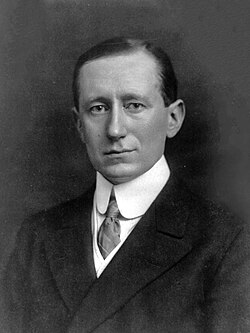
- First Example: Electrical telegraphy is considered the first practical application of electrical engineering.
- Academic Origins: The world's first department of electrical engineering was founded at Technische Universität Darmstadt in 1882.
- Key Professional Bodies: The IEEE and IET are the leading global organizations for practitioners.
- Core Components: The MOSFET (Metal-oxide-semiconductor field-effect transistor) is the fundamental building block of modern digital electronics.
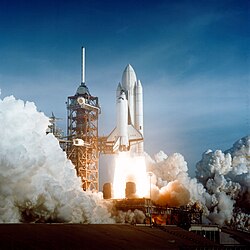
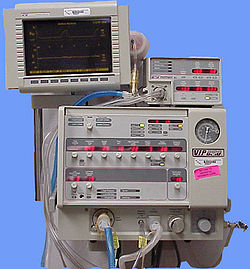
- Global Reach: The field spans diverse applications, including spaceflight control systems, medical ventilators, and global telecommunications.
The History of Electrical Engineering
19th Century Foundations
The roots of the profession lie in the late 18th and early 19th centuries. In 1795, Francisco Salva Campillo proposed an electrostatic telegraph system, later developing an electrolyte telegraph by 1804. This work was heavily influenced by Alessandro Volta's invention of the electric battery and the electrolysis of water discovered by William Nicholson and Anthony Carlyle.
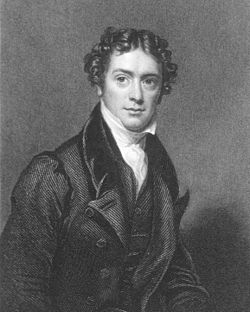
By 1816, Francis Ronalds had created an electric telegraph system and envisioned a world transformed by electricity. As land-lines, submarine cables, and wireless telegraphy (emerging around 1890) connected the globe, electrical engineering transitioned from a theoretical study into a formal profession.
The Rise of Academic Disciplines
Initially, electricity was studied as a branch of physics because early technology was primarily electromechanical. This changed in the 1880s as dedicated academic programs emerged. Technische Universität Darmstadt introduced the first degree course in 1883. In the United States, the Massachusetts Institute of Technology (MIT) started a program under Professor Charles Cross, while Cornell University produced the first electrical engineering graduates in 1885.
Evolution of Electronics and Computing
From Solid-State to Microprocessors
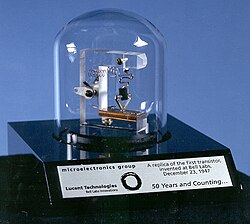
The 20th century saw a shift toward solid-state electronics—electronics that use semiconductor materials. A pivotal moment occurred in 1947 with the invention of the point-contact transistor, which replaced bulky vacuum tubes.
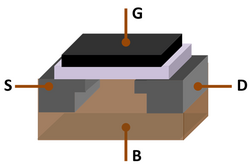
The subsequent development of the Metal-oxide-semiconductor field-effect transistor (MOSFET) revolutionized the field. As the most commonly used active device in very large-scale integration (VLSI) of digital integrated circuits, the MOSFET enabled the creation of complex signal processing systems and computers during the 1970s.
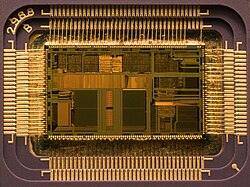
This evolution culminated in the microprocessor, which integrated the functions of a Central Processing Unit (CPU) onto a single chip in 1971, paving the way for the modern computing era.
Core Subfields of Electrical Engineering
Modern electrical engineering is divided into several specialized domains, each critical to the functioning of global infrastructure:
- Power and Energy: Focuses on the generation, transmission, and distribution of electricity.
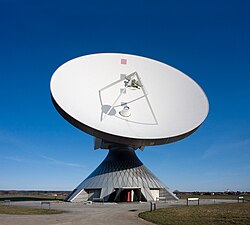
- Telecommunications: Covers the transmission of information via wires, optical fibers, and wireless signals.
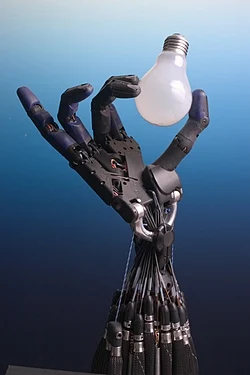
- Control Engineering: The design of systems that manage the behavior of other devices, essential for spaceflight and robotics.
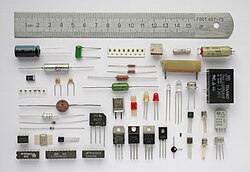
- Electronics: The study of electron flow in vacuum and semiconductor devices.
- Microelectronics and Nanoelectronics: The design of extremely small components, such as those found in smartphones.
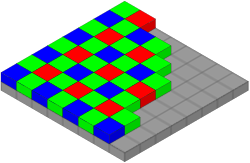
- Signal Processing: The analysis and manipulation of signals, such as converting raw data from a CCD Bayer filter into a color image.
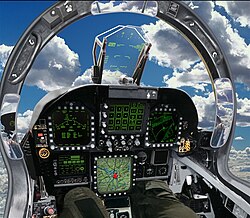
- Instrumentation: The creation of devices for measuring physical quantities, such as flight instruments for pilots.
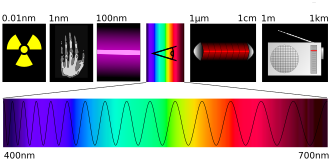
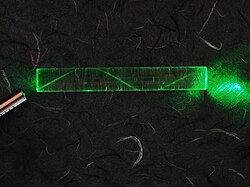
- Photonics and Optics: The science of light, including the use of optical fibers for high-speed data transmission.
Summary of Engineering Applications
| Subfield | Practical Application | Example Technology |
|---|---|---|
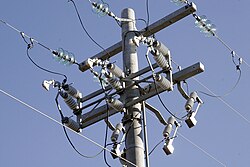
| Power | Grid Infrastructure | High-voltage power poles |
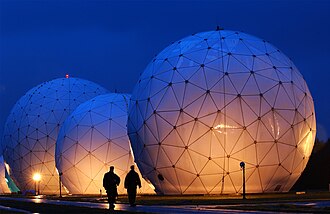
| Telecommunications | Global Connectivity | Satellite dishes and Radomes |
| Control Systems | Aerospace/Robotics | Spaceflight guidance / Robot hands |
| Instrumentation | Medical/Aviation | Infant ventilators / Flight gauges |
| Computing | Data Analysis | Supercomputers |
Professional Practice and Education
To maintain proficiency in a field where technical skills quickly become obsolete, electrical engineers rely on professional bodies. The Institute of Electrical and Electronics Engineers (IEEE) is a global leader, producing approximately 30% of the world's literature in the field and supporting over 360,000 members. In Europe, the Institution of Engineering and Technology (IET) is the largest professional engineering society, with over 150,000 members.
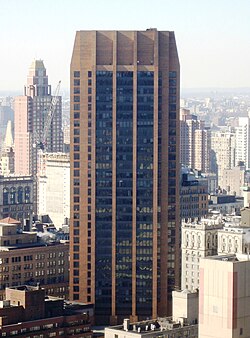
Continuous learning through technical journals, conferences, and professional certifications (such as becoming an MIET) is essential for practitioners to stay current with emerging technologies.
Frequently Asked Questions
What is the difference between electrical and electronic engineering?
While closely related, electrical engineering typically focuses on large-scale electrical energy (power generation and distribution), whereas electronic engineering focuses on small-scale electronic circuits and the processing of data/signals.
Who is considered the first electrical engineer?
Francis Ronalds is often regarded as the first of his cohort due to his early work on the electric telegraph system in 1816 and his vision for the transformative power of electricity.
What is a MOSFET and why is it important?
A MOSFET (Metal-oxide-semiconductor field-effect transistor) is a type of transistor used for switching and amplifying signals. It is the basic building block of modern digital integrated circuits and microprocessors.
Which professional organizations are most important for electrical engineers?
The IEEE (Institute of Electrical and Electronics Engineers) and the IET (Institution of Engineering and Technology) are the most prominent global organizations providing literature, networking, and professional standards.
Where was the first electrical engineering degree offered?
The first department was founded at Technische Universität Darmstadt in 1882, with the first degree course starting in 1883. In the US, Cornell University produced the first graduates in 1885.