1811 German Coast Uprising: The Largest Slave Rebellion in U.S. History
Between January 8 and 10, 1811, the Territory of Orleans became the site of the largest slave rebellion in the history of the United States. Known as the German Coast uprising, this violent struggle for freedom saw hundreds of enslaved Africans and African Americans march toward New Orleans, challenging the brutal regime of the region's sugar plantations.
The rebellion unfolded on the east bank of the Mississippi River, spanning what are now the Louisiana parishes of St. John the Baptist, St. Charles, and Jefferson. While the uprising was eventually suppressed with extreme brutality, it remains a pivotal moment of resistance in North American history.
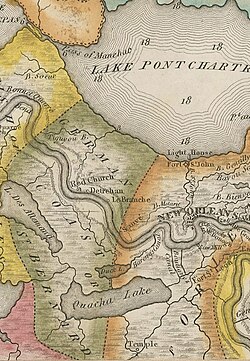
Key Facts
- Date: January 8–10, 1811.
- Scale: Estimated 200 to 500 participants, making it the largest slave revolt in U.S. history.
- Leadership: Led by Charles Deslondes, a slave driver.
- Casualties: 95 rebels killed (including skirmishes and post-trial executions); 2 white settlers killed.
- Outcome: The rebellion was suppressed by U.S. military forces and local militias.
The Roots of Rebellion
The uprising was not an isolated event but the result of escalating tensions in the sugar-producing region known as the German Coast—named for immigrants who arrived in the 1720s. Following the American Revolutionary War, the area experienced a massive sugar boom. By 1802, 70 sugar plantations were producing over 3,000 tons of sugar annually.
This economic prosperity was built on a foundation of extreme brutality. The transition from cotton and indigo to sugarcane required longer hours and harsher punishments. Consequently, enslaved people in this region faced shorter life expectancies than in any other slave society in North America. By 1810, Black residents outnumbered whites by nearly five to one, and approximately 90% of the white population owned slaves.
External influences also played a critical role. The Haitian Revolution, a successful slave revolt in the nearby Caribbean colony of Saint-Domingue, served as both an inspiration and a source of fear. Thousands of refugees from Haiti, including free people of color (gens de couleur), migrated to Louisiana, bringing with them ideas of liberty and rights.
The March for Freedom
The rebellion ignited on January 8, 1811. Between 64 and 125 enslaved people began their fight for freedom at plantations near present-day LaPlace, Louisiana. The movement was led by Charles Deslondes, a slave driver who was later described as the principal leader of the group.
As the rebels marched 20 miles toward New Orleans, their numbers grew. Estimates suggest that between 200 and 500 people eventually joined the cause. The march was remarkably organized; the insurgents moved to the beat of drums, carried flags, and were armed primarily with improvised weapons such as pikes, hoes, and axes.
Along their route, the rebels burned five plantations, including several sugarhouses and crop fields. The march passed through areas now known as Montz, Norco, New Sarpy, Destrehan, and St. Rose, eventually reaching Cannes-Brulées, about 15 miles northwest of New Orleans.
Suppression and Brutal Aftermath
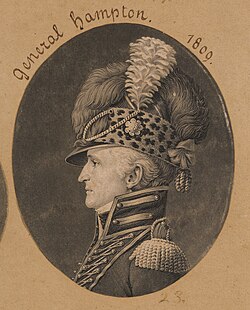
The response from the white establishment was swift and overwhelming. After several planters were attacked, U.S. officials and local settlers formed militia companies. Governor William C. C. Claiborne, along with General Wade Hampton I and Commodore John Shaw, deployed two volunteer militia companies, 30 U.S. Army soldiers, and 40 U.S. Navy sailors to crush the uprising.
On January 10, a militia of about 80 men led by planter Charles Perret intercepted the rebels near Bernard Bernoudy's plantation. In a brief, violent clash, 40 to 45 rebels were killed. The remaining insurgents fled into the surrounding woods and swamps.
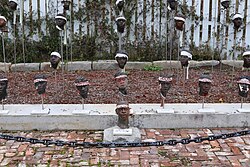
The violence did not end with the battle. Over the following two weeks, captured rebels were interrogated, tried, and executed. An additional 44 people were killed by hanging or firing squad. In a deliberate attempt to intimidate other enslaved people, the heads of the executed were placed on pikes along the roads.
Summary of the 1811 Uprising
| Category | Details |
|---|---|
| Primary Leader | Charles Deslondes |
| Estimated Strength | 200–500 enslaved persons |
| Opposing Forces | U.S. Army, Navy, and volunteer militias |
| Distance Marched | Approximately 20 miles |
| Total Rebel Deaths | 95 (Battle and Executions) |
Legacy and Remembrance
For nearly two centuries, the 1811 German Coast uprising was largely omitted from American history textbooks. However, the memory of the event persisted through oral traditions, with descendants recounting the story for generations.
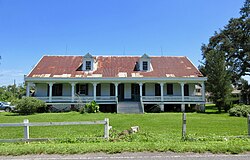
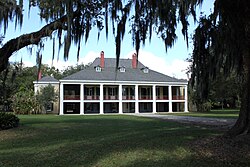
In recent years, efforts to commemorate the rebellion have increased. The Whitney Plantation, opened in 2014, is the first museum in the U.S. dedicated exclusively to the slave experience and features a memorial to the uprising. Other sites, such as the 1811 Kid Ory Historic House in LaPlace, also preserve the history of the revolt.
Modern tributes include annual commemorations in Norco and a massive 26-mile re-enactment organized by artist Dread Scott in 2019, ensuring that the scale and courage of the 1811 rebellion are no longer forgotten.
Frequently Asked Questions
Why is the 1811 German Coast uprising significant?
It is significant because it was the largest slave rebellion in the history of the United States in terms of the number of participants and the scale of the organized march.
Who led the rebellion?
The rebellion was led by Charles Deslondes, a slave driver who organized the initial group of insurgents and led them on their march toward New Orleans.
How did the Haitian Revolution influence the uprising?
The Haitian Revolution provided a blueprint for successful slave revolt and brought thousands of refugees and free people of color to Louisiana, increasing the population of those who sought liberty and rights.
What happened to the rebels after the battle?
Many were killed during the skirmish on January 10, while others were captured, tried, and executed via hanging or firing squad. Their heads were displayed on pikes to terrorize other enslaved people.
Where can visitors learn about this event today?
Visitors can visit the Whitney Plantation in St. John the Baptist Parish, the 1811 Kid Ory Historic House in LaPlace, and see historical markers at the former Andry plantation site.