Zydeco Music: The Soulful Sound of Louisiana Creoles
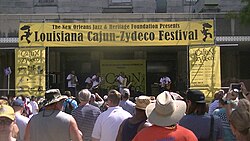
Zydeco is a vibrant, high-energy music genre born in the rural landscapes of Southwest Louisiana. Created by French-speaking African Americans of Creole heritage, it is a powerful synthesis of cultural influences, blending the soulful depths of the blues and rhythm and blues (R&B) with indigenous Creole traditions such as la la and juré. More than just a musical style, zydeco represents a resilient cultural identity, often encompassing the dance and the social gatherings where the music is played.
At its core, zydeco is defined by its driving rhythm and distinctive instrumentation. The sound is anchored by the accordion—typically the piano or Cajun variety—and the rubboard (washboard), or its more modern evolution, the vest frottoir (a metal percussion instrument worn like a vest).
Key Facts
- Origin: Rural Southwest Louisiana, created by French-speaking African Americans of Creole heritage.
- Primary Instruments: Accordion and rubboard/vest frottoir.
- Influences: Blues, R&B, Cajun music, country, Native American music, and traditional Creole sounds.
- Key Figure: Clifton Chenier, known as "The King of Zydeco."
- Etymology: Likely derived from the French phrase les haricots ("the beans"), symbolizing hardship.
The Origins and Etymology of Zydeco
The word "zydeco" has a fascinating and debated history. One prominent theory suggests it comes from the Louisiana French phrase Les haricots [ne] sont pas salés, which translates to "the green beans aren't salted." Idiomatically, this phrase was used to express hardship and poverty. The specific spelling "zydeco" was popularized in 1960 by musicologist Mack McCormick in the liner notes of A Treasury of Field Recordings, a term later adopted and claimed by the legendary musician Clifton Chenier.
Alternatively, some scholars suggest a West African origin. Research into early recordings by Alan and John Lomax indicates that syllables like "za," "re," and "go" are frequently associated with music and dancing in various West African languages. It is possible that these original terms evolved into the phonetically similar French-Creole phrase over generations.
Cultural and Historical Roots
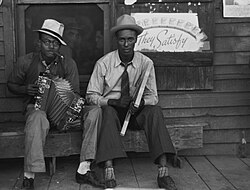
The foundations of zydeco lie in the complex social history of Louisiana. Beginning in the late 1600s, French settlers arrived in the region, followed by German and Irish immigrants in the 18th century. These populations mixed with Native Americans and enslaved Africans, creating a unique Creole society.
For over 150 years, Louisiana Creoles lived in relatively insular communities. The Code Noir (Black Code), established in 1724, regulated the treatment of enslaved people but also recognized gens de couleur libres (free people of color). This class, often of mixed European and African descent, held rights—such as land ownership—that were rare for people of color in the American South.
Following the Civil War, many Creoles took leadership roles during Reconstruction, but they soon faced systemic disenfranchisement as segregationist laws reclassified them simply as "Black." The resulting economic hardship and social struggle are mirrored in the bluesy vocals and lyrics of early zydeco. The music evolved from house dances and Catholic Church community centers into a professional genre, with Amédé Ardoin becoming one of the first influential Creole musicians to record in 1929.
The Evolution of the Modern Sound
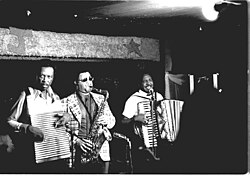
Clifton Chenier, "The King of Zydeco," transformed the genre in the mid-20th century. By incorporating a keyboard accordion and a bluesy style, he brought zydeco to regional radio and eventually to the American mainstream through Specialty Records. Chenier also innovated the hardware of the genre; in 1946, while working at an oil refinery, he commissioned welder Willie Landry to create the first vest frottoir, moving the rubboard from a stand to a wearable garment.
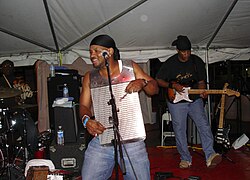
The 1980s marked a period of international expansion. Artists like Rockin' Sidney Simien, Queen Ida, and Buckwheat Zydeco garnered Grammy awards and major label deals. The genre's visibility peaked with the film The Big Easy, which featured Terrance Simien and the Mallet Playboys. In the 1990s, Beau Jocque further modernized the sound by infusing zydeco with funk, hip-hop, and rap, introducing powerful bass lines and a syncopated backbeat known as "double clutching."
Zydeco in the 21st Century
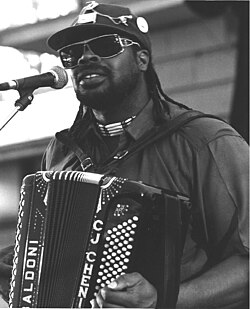
Today, zydeco continues to evolve through the work of descendants like C.J. Chenier and Lil' Nate. The genre has achieved significant institutional recognition. After a seven-year campaign by Cynthia and Terrance Simien, the Grammys created a dedicated Zydeco or Cajun Music category in 2007, which later became part of the "Best Regional Roots Music Album" category. In 2024, Buckwheat Zydeco Jr. and the Legendary Ils Sont Partis Band won a Grammy in this category.
The genre has also found a place in popular media, from the HBO documentary The Music in Me to the Disney film The Princess and the Frog and the subsequent "Tiana's Bayou Adventure" theme park ride, featuring the Zydeco Experience with Terrance and Marcella Simien.
| Feature | Details |
|---|---|
| Core Instruments | Accordion, Rubboard/Vest Frottoir, Electric Bass, Drums |
| Key Influences | Blues, R&B, Cajun, West African traditions, Gospel |
| Pioneering Artists | Amédé Ardoin, Clifton Chenier, Buckwheat Zydeco |
| Modern Styles | Double clutching (syncopated backbeat), Funk/Hip-hop fusion |
| Cultural Hub | Southwest Louisiana, USA |
Frequently Asked Questions
What is the difference between Zydeco and Cajun music?
While both originate in Louisiana and use the accordion, Zydeco is specifically rooted in the African American Creole experience, incorporating heavy influences from blues and R&B, and prominently featuring the rubboard (frottoir).
What is a vest frottoir?
A vest frottoir is a metal percussion instrument worn over the chest like a vest. It is played by scraping a metal slider across the ridges, serving as a modernized, wearable version of the traditional washboard.
Who is considered the most influential Zydeco musician?
Clifton Chenier is widely regarded as "The King of Zydeco" for his role in popularizing the genre on the radio, signing with major labels, and innovating the use of the vest frottoir.
What does the term "double clutching" mean in Zydeco?
Double clutching refers to a modern playing style where musicians accentuate or syncopate the backbeat using the bass drum rhythm to create a more driving, danceable sound.
How did the phrase "the beans aren't salted" become associated with the music?
The French phrase Les haricots sont pas salés was an idiom for hardship. Because the music emerged from impoverished rural Creole communities, the phrase became a metaphor for the struggle reflected in the music's bluesy roots.