Yangdong Village: A Living Legacy of Joseon Dynasty Aristocracy
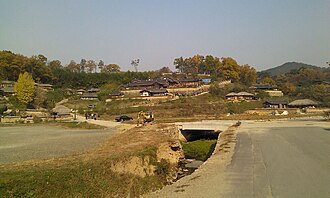
Nestled along the Hyeongsan River in Gangdong-myeon, South Korea, Yangdong Village stands as a profound testament to the social structures and cultural traditions of the Joseon period. As a UNESCO World Heritage Site, this historic settlement offers a rare, preserved glimpse into the lives of the yangban—the traditional Korean aristocracy. The village is not merely a museum of the past but a living landscape where history, architecture, and nature converge.
A Foundation Built on Tradition and Geomancy
The origins of Yangdong Village date back to the 15th century, founded by Son So (1433–1484). The settlement was established following the principles of pungsu, a traditional Korean system of geomancy used to select auspicious sites for living. The village was designed to follow the natural topography of the surrounding mountains and valleys, resulting in a layout shaped like an auspicious Hanja (Chinese character) used in Korean writing.
The village has been home to two prominent lineages: the Wolseong Son clan and the Yeogang Yi family. The union of these families through marriage produced Yi Unjeok, recognized as one of the eighteen sages of Korea. This deep-rooted lineage has helped maintain the village's cultural integrity for centuries.
Social Stratification and Architectural Heritage
The physical layout of Yangdong Village serves as a visual map of the social hierarchy prevalent during the Joseon dynasty. The homes of the aristocratic clans are situated on the high ground of the mountains and valleys, overlooking the landscape. In contrast, the homes of the lower classes, characterized by their traditional thatched roofs, were built on the lower ground. This spatial arrangement highlights the severe social stratification that defined the era.
Today, the village contains over 160 homes, including both tile-roofed and thatched-roof structures. Among these, 54 historic homes, each over 200 years old, have been meticulously preserved. Notable architectural landmarks include:
- Seobaekodang: The primary residence of the Wolseong Son family.
- Mucheomdang: The primary residence of the Yeogang Yi family.
- Hyangdan: A structure designated as National Treasure No. 412.
- Pavilions: Including Ihayangjeon, Simsujeong, Gwangajeong, and Sonsoyeongjeong.
- Ganghakdang: A traditional village school.
Cultural Treasures and Artifacts
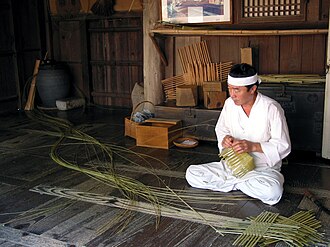
Beyond its architecture, Yangdong Village houses significant cultural assets. One of the most notable is the Tonggamsokpyeon, a book printed using movable metal type, which is recognized as National Treasure No. 283. The village also preserves various folk customs and tangible cultural properties, such as the Jeokgae Gongsin Nonsang Rokgwan and the historic Sonso's Will.
Key Facts
- UNESCO Status: Inscribed in 2010 as part of the "Historic Villages of Korea: Hahoe and Yangdong."
- Location: Gangdong-myeon, North Gyeongsang Province, near Gyeongju, South Korea.
- Core Architecture: Over 160 homes, including 54 historic houses older than 200 years.
- Social Structure: Reflects the yangban (aristocratic) lifestyle and Neo-Confucian traditions.
- Geographic Feature: Arranged according to pungsu (geomancy) to follow mountain and valley topography.
Summary of Yangdong Village Specifications
| Category | Details |
|---|---|
| UNESCO Inscription Year | 2010 (34th Session) |
| Total Area | 91.6 ha (226 acres) |
| Buffer Zone Area | 237.4 ha (587 acres) |
| Coordinates | 36°0′7″N 129°15′12″E |
| Government Designation | Important Folklore Materials No. 189 |
Frequently Asked Questions
What is the significance of the yangban in Yangdong Village?
The yangban were the traditional aristocratic class of Korea. Yangdong Village is a premier example of their lifestyle, showcasing their Neo-Confucian values through their specific housing locations, architecture, and social organization.
How is the village laid out?
The village follows the natural topography of the mountains and valleys. It was designed using pungsu (geomancy) to ensure an auspicious arrangement, with aristocratic homes on higher ground and lower-class thatched-roof homes on lower ground.
Is Yangdong Village still inhabited?
While some parts of the village are unoccupied, it remains a living site with over 160 homes, many of which are part of a continuous historical lineage.
What makes the architecture of the village special?
The village features a mix of tile-roofed and thatched-roof homes that preserve Joseon dynasty architecture. It includes several National Treasures and historic manors that demonstrate the craftsmanship of the period.
Where is Yangdong Village located?
It is located in Gangdong-myeon, North Gyeongsang Province, approximately sixteen kilometers northeast of Gyeongju, South Korea, situated along the Hyeongsan River.