World Zionist Organization
The World Zionist Organization (WZO), known in Hebrew as HaHistadrut Hazionit Haolamit, is a prominent non-governmental organization dedicated to the promotion of Zionism. Established over a century ago, the WZO has served as a central pillar in the movement for Jewish self-determination and the establishment of a Jewish homeland.
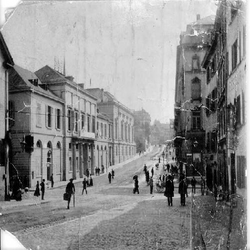
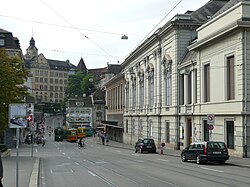
The organization was founded in August 1897 at the First Zionist Congress, held at the Stadtcasino Basel in Switzerland. This historic gathering was initiated by Theodor Herzl, whose vision and leadership laid the groundwork for the movement's goals, which were formally outlined in the Basel Program.
Key Facts
- Founded: 1897 by Theodor Herzl and Max Nordau.
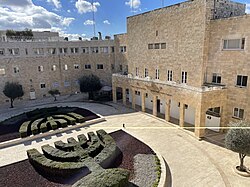
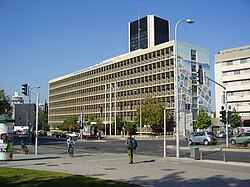
- Headquarters: Jerusalem.
- Primary Purpose: Promoting Zionism and the continuity of the Jewish people.
- Governance: The World Zionist Congress serves as the supreme legislative authority.
- Funding: Approximately 98% of funding is provided by the Jewish National Fund (JNF).
- Current Leadership: Doron Perez (President) and Yaakov Hagoel (Chairperson).
Historical Evolution
Originally established as the Zionist Organization (ZO), the body operated as an umbrella for various Zionist movements. Its primary objective was the creation of a Jewish homeland in Eretz Yisrael, which was under Ottoman rule at the time and later became the British Mandate of Palestine after World War I.
The ZO played a critical role in building the administrative infrastructure that would eventually support the State of Israel upon its declaration on May 14, 1948. To support these goals, several specialized entities were created: the Jewish Colonial Trust (1899) for financial management, the Jewish National Fund (1901) for land acquisition, and Keren Hayesod (1920) to fund activities through enterprises like the Anglo-Palestine Bank.
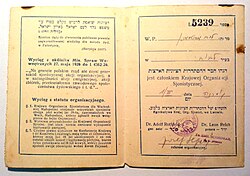
Membership was originally open to all Jews, with voting rights granted through the purchase of a "Zionist Shekel"—a membership fee named after the ancient Hebrew coin. In January 1960, the organization adopted a new constitution and renamed itself the World Zionist Organization, shifting membership eligibility from individuals to organizations.
Organizational Structure and Governance
The World Zionist Congress is the supreme organ of the WZO. It is responsible for electing officers and determining the policies of both the WZO and the Jewish Agency for Israel. While the Jewish Agency is a parallel organization, its leadership and goals have been closely intertwined with the WZO since before the state's founding.
The WZO also provides an umbrella for various Zionist-aligned organizations, including WIZO, Hadassah, B'nai B'rith, Maccabi, the International Sephardic Federation, and the World Union of Jewish Students (WUJS).
The Jerusalem Program
Adopted in 2004 and amended in 2024, the Jerusalem Program serves as the WZO's official platform. It defines Zionism as the national liberation movement of the Jewish people and emphasizes several core foundations:
- The unity of the Jewish people and their bond to Eretz Yisrael.
- The promotion of Aliyah (immigration to Israel) and the integration of immigrants.
- The strengthening of Israel as a Jewish, Zionist, and democratic state.
- The advancement of Hebrew as the national language and the fostering of Jewish education.
- The fight against antisemitism and the defense of Jewish rights.
- The encouragement of service in the Israel Defense Forces (IDF) and National Service.
Current Projects and Initiatives
The WZO operates through several specialized departments to achieve its mission:
- Department of Diaspora Affairs: Focuses on strengthening Zionist identity among young Jews worldwide.
- Department of Aliyah Promotion: Assists Jews in immigrating to Israel and promotes the study of Hebrew.
- Department of Activities in Israel and Countering Antisemitism: Works to combat antisemitism and bolster Zionist identity within Israel.
- Department of Education: Develops educational content to connect the Diaspora and Israelis through Hebrew and Zionist values.
Additionally, the organization bestows the annual Herzl Award since 2004 to recognize exceptional volunteer efforts on behalf of the Zionist cause.
Summary of WZO Key Details
| Category | Details |
|---|---|
| Founding Year | 1897 |
| Founders | Theodor Herzl, Max Nordau |
| Legislative Body | World Zionist Congress |
| Primary Funding Source | Jewish National Fund (JNF) |
| Core Document | The Jerusalem Program |
| Headquarters | Jerusalem |
Controversies and Challenges
The WZO has faced significant scrutiny over its activities. In 2009, documents presented to Israel's Supreme Court suggested the WZO acted as a government agent to assign private Palestinian land to Israeli settlers in the West Bank, specifically in the settlement of Ofra.
In May 2022, the organization was criticized after ultra-orthodox activists, reportedly bussed in by the WZO, disrupted a service by the Women of the Wall at the Western Wall in Jerusalem, leading to demands for remedial action from the Board of Deputies of British Jews.
More recently, in November 2025, the Yesh Atid party announced its withdrawal from the WZO. Opposition Leader Yair Lapid cited concerns over corruption and nepotism, specifically alleging that senior positions were being allocated to family members of political leaders through fictitious tenders.
Frequently Asked Questions
Who founded the World Zionist Organization?
The organization was founded by Theodor Herzl and Max Nordau in 1897 during the First Zionist Congress in Basel, Switzerland.
What is the purpose of the World Zionist Congress?
The World Zionist Congress is the supreme legislative authority of the WZO. It is responsible for electing officers and deciding the policies of both the WZO and the Jewish Agency.
How is the WZO funded?
The vast majority (approximately 98%) of the WZO's funding comes from the Jewish National Fund (JNF), which earns revenue from the rental or sale of land in Israel.
What is the Jerusalem Program?
The Jerusalem Program is the official platform of the WZO, outlining the foundations of Zionism, including the promotion of Aliyah, the centrality of Jerusalem, and the fight against antisemitism.
What is the difference between the WZO and the Jewish Agency?
While they are parallel organizations with closely intertwined leadership and goals, the WZO serves as a broader non-governmental umbrella for the Zionist movement, whereas the Jewish Agency has historically focused on the practical execution of immigration and settlement.