World Book Capitals: A Global Journey of Literacy and Culture
The designation of a World Book Capital is more than just a title; it is a global commitment to fostering a culture of reading, promoting literacy, and celebrating the written word. Since its inception, this initiative has traveled across continents, transforming cities into hubs of literary activity and encouraging citizens of all ages to engage with books as tools for social transformation and personal growth.
From the revival of ancient knowledge in Egypt to the modern digital libraries of the United Arab Emirates, each host city brings a unique cultural perspective to the celebration. These cities implement diverse programs—ranging from massive public art installations to the creation of specialized children's museums—to ensure that literature remains accessible to everyone.
Key Facts
- Colombia is the first country to host the World Book Capital twice (Bogotá in 2007 and Medellín in 2027).
- Alexandria (2002) revived one of the ancient world's most significant libraries with the US$220 million Bibliotheca Alexandrina.
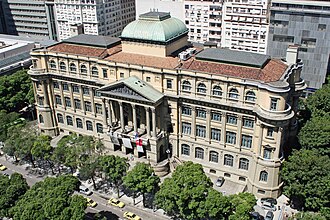
- Rio de Janeiro (2025) is home to the National Library of Brazil, recognized by UNESCO as the largest library in Latin America.
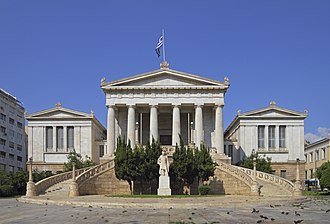
- Athens (2018) executed one of the most extensive programs, featuring 615 events across eight thematic areas.
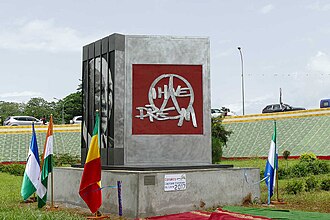
- Conakry (2017) was the first francophone African city to receive the designation.
Chronology of World Book Capitals
The selection of World Book Capitals reflects a broad geographic diversity, spanning Europe, Africa, Asia, and the Americas. Each city utilizes its tenure to address specific local and global challenges through the lens of literature.
| Year | City | Country | Primary Theme/Focus |
|---|---|---|---|
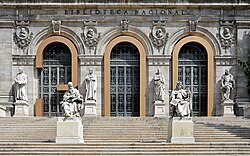
| 2001 | Madrid | Spain | Literary mapping and school competitions |
| 2002 | Alexandria | Egypt | Revival of the Great Library |
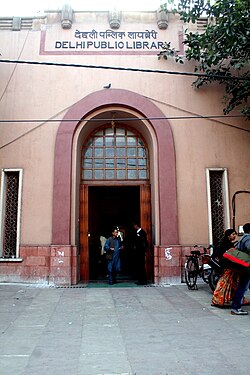
| 2003 | New Delhi | India | Rare manuscripts and scientific contribution |
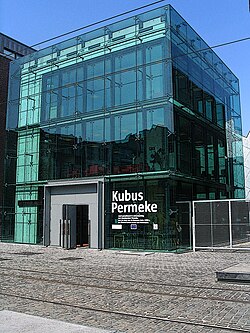
| 2004 | Antwerp | Belgium | ABC 2004 / XYZ 2005 |
| 2005 | Montreal | Canada | The Gathering Power of Books |
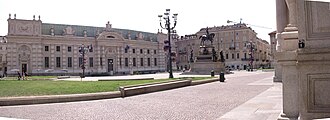
| 2006 | Turin | Italy | The Language of Signs |
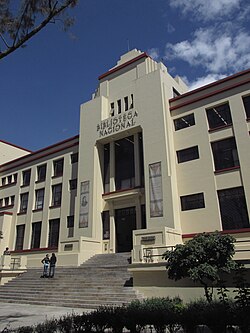
| 2007 | Bogotá | Colombia | We'll Get Bogota Reading |
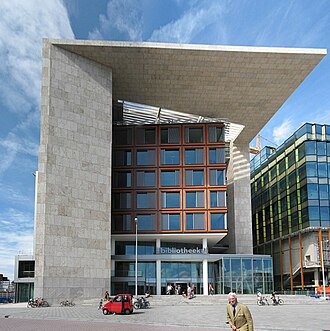
| 2008 | Amsterdam | Netherlands | Open Book, Open Mind |
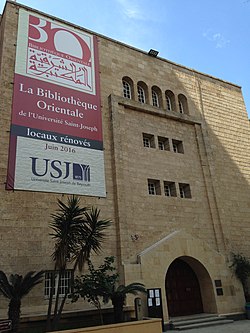
| 2009 | Beirut | Lebanon | Books as vectors of culture |
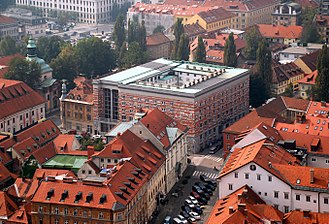
| 2010 | Ljubljana | Slovenia | In The Realm of the Book |
| 2011 | Buenos Aires | Argentina | A City Open to the World of Books |
| 2012 | Yerevan | Armenia | Eternity of the Word |
| 2013 | Bangkok | Thailand | Read for Life |
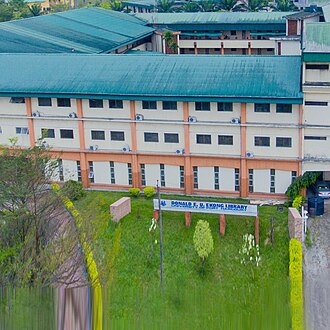
| 2014 | Port Harcourt | Nigeria | Windows to Our World of Possibilities |
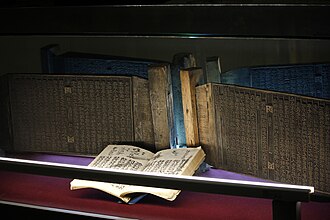
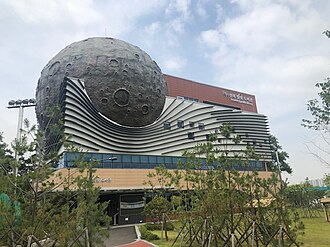
| 2015 | Incheon | South Korea | Books for All / Read and Discover Yourself |
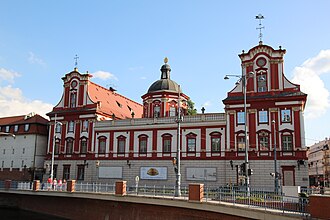
| 2016 | Wrocław | Poland | Read to Me, Wrocław |
| 2017 | Conakry | Republic of Guinea | Make Dreams Come True |
| 2018 | Athens | Greece | Books Everywhere |
| 2019 | Sharjah | United Arab Emirates | Open Books, Open Minds |
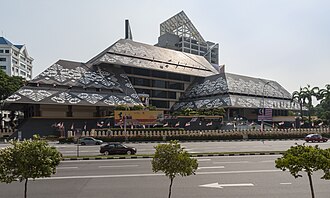
| 2020 | Kuala Lumpur | Malaysia | KL BACA: Caring Through Reading |
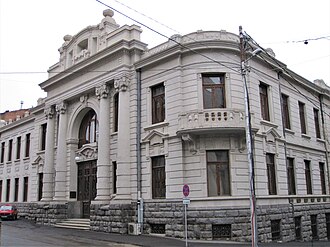
| 2021 | Tbilisi | Georgia | Cultural promotion |
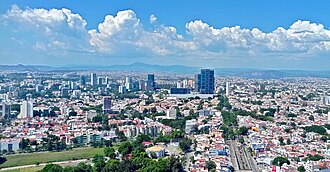
| 2022 | Guadalajara | Mexico | How Books Contribute to Peace |
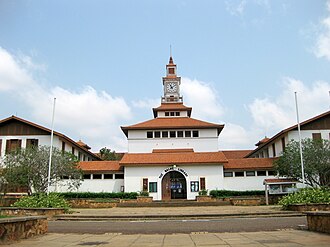
| 2023 | Accra | Ghana | Reading to Connect Minds for Social Transformation |
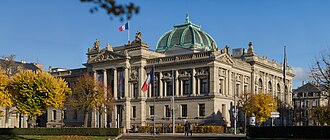
| 2024 | Strasbourg | France | Read Our World |
| 2025 | Rio de Janeiro | Brazil | Rio de Janeiro Continues to Read |
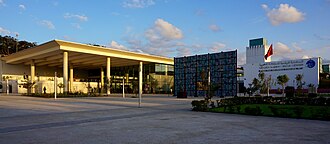
| 2026 | Rabat | Morocco | Rabat se Livre (Rabat Reveals Itself) |
| 2027 | Medellín | Colombia | TBD |
Notable Literary Milestones
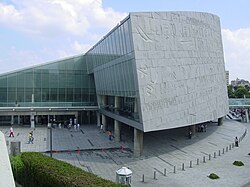
The Revival of Ancient Knowledge in Alexandria
Alexandria's 2002 designation was highlighted by the reopening of the Bibliotheca Alexandrina. This US$220 million project took seven years to complete and served as a modern tribute to the original Great Library of Alexandria, which was the first to invent a bibliographic system (a systematic method of cataloging books). The project aimed to restore the city's status as a global center for arts and sciences.
Innovative Public Engagement in Buenos Aires and Turin
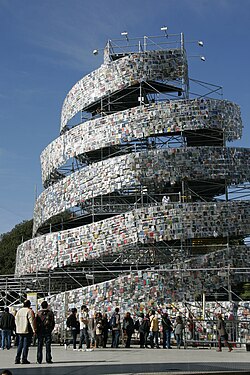
Some cities used unconventional methods to attract readers. In 2011, Buenos Aires featured the "Tower of Babel," a 25-meter structure composed of 30,000 books in various languages. Meanwhile, Turin (2006) focused on the "Language of Signs," creating a program based on punctuation marks—such as the question mark and the semicolon—to explore the nuances of communication.
Infrastructure and Digital Evolution in Sharjah and Kuala Lumpur
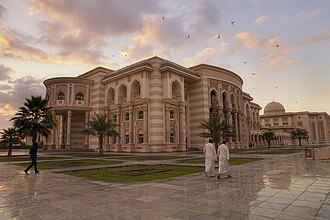
Modern designations have focused heavily on infrastructure. Sharjah (2019) commissioned the House of Wisdom, a 12,000-square-meter facility blending traditional libraries with digital pedagogy. Kuala Lumpur (2020) emphasized digital accessibility and e-books, though many of its on-site events were transitioned to virtual formats due to the COVID-19 pandemic.
Social Transformation in Strasbourg and Medellín
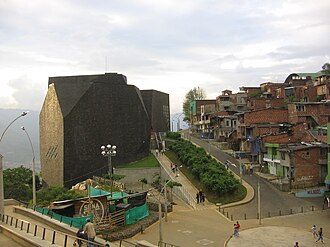
Recent and upcoming capitals view reading as a tool for social stability. Strasbourg (2024) uses literature to address climate change and social tensions. Medellín (2027) was selected for its commitment to cultural mobilization, boasting a 540% increase in bookstores over the last 70 years.
Frequently Asked Questions
Which country has been the World Book Capital the most times?
Colombia is the first country to host the title twice, with Bogotá serving as the capital in 2007 and Medellín scheduled for 2027.
What was the significance of the Bibliotheca Alexandrina?
The Bibliotheca Alexandrina was a US$220 million project that reopened in 2002 to revive the spirit of the ancient Great Library of Alexandria, promoting reading and modern scientific research.
How did the COVID-19 pandemic affect the World Book Capital program?
In 2020, Kuala Lumpur had to cancel or move most of its 50+ scheduled on-site events to virtual platforms, including the official handover ceremony.
What is the largest library in Latin America?
The National Library of Brazil in Rio de Janeiro, the 2025 World Book Capital, is considered by UNESCO to be the largest library in Latin America.
What was the theme of the 2018 celebration in Athens?
The theme was "Books Everywhere," which focused on making culture accessible across all neighborhoods through 615 events, including pop-up libraries and "Bibliobuses."