Woodpeckers: Nature's Specialized Percussionists
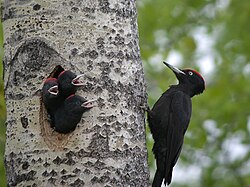
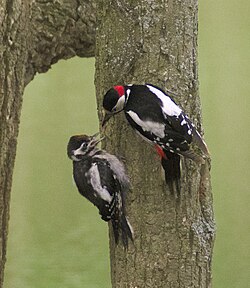
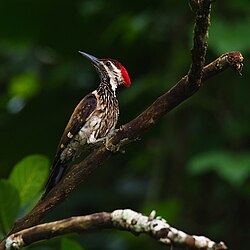
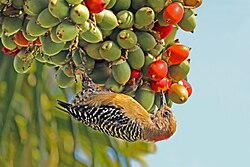
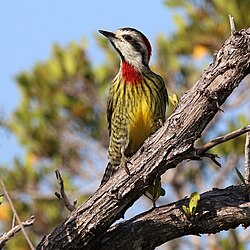
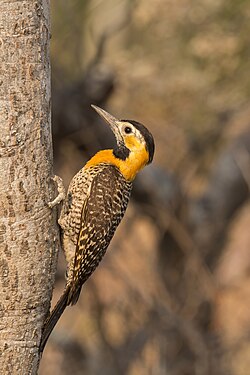
Woodpeckers are among the most specialized birds in the animal kingdom, renowned for their ability to drill into hard wood to find food and create shelters. Belonging to the family Picidae, these birds are part of the order Piciformes. This diverse group includes approximately 240 species across 35 genera, ranging from the tiny piculets to the imposing great slaty woodpecker.
While most are familiar with the rhythmic drumming of a woodpecker, the biological engineering that allows these birds to strike surfaces at high speeds without sustaining brain injury is a marvel of evolution. From their unique skull structures to their specialized protective membranes, every aspect of their anatomy is tuned for impact.
Key Facts
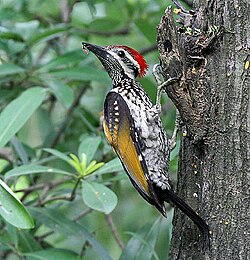
- Species Diversity: Approximately 240 species divided into three main subfamilies: Jynginae (wrynecks), Picumninae/Sasiinae (piculets), and Picinae (true woodpeckers).
- Extreme Impact: Woodpeckers can experience decelerations of up to 10,000 m/s (1,000 g) during pecking.
- Size Range: They range from the bar-breasted piculet (7.5 cm) to the great slaty woodpecker (up to 55 cm).
- Conservation Status: Nearly 20 species are threatened by habitat loss; the ivory-billed and imperial woodpeckers are critically endangered and potentially extinct.
- Energy Absorption: 99.7% of the energy generated during pecking is stored as strain energy, protecting the brain.
Anatomy and Biomechanics of Impact
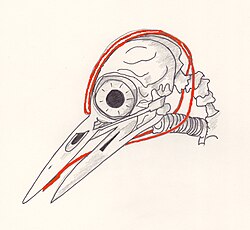
The most striking feature of the woodpecker is its ability to resist head impact injury. Computer simulations reveal that the vast majority of the energy produced during a strike is distributed throughout the bird's body as strain energy, leaving only a tiny fraction to reach the brain.
To further protect their sensory organs, woodpeckers possess a thickened nictitating membrane—a translucent third eyelid—that closes a millisecond before contact. This prevents debris from entering the eye and protects the retina from tearing. Their nostrils are similarly shielded by slit-like openings and specialized feathers.
The physical act of pecking also generates significant heat. To manage this, woodpeckers typically peck in short bursts, allowing their skulls time to cool between intervals.
Diversity and Classification
The family Picidae is categorized into several distinct groups based on their physical and behavioral traits:
True Woodpeckers (Picinae)
This is the largest group, containing the majority of the well-known species. They are characterized by their strong beaks and zygodactyl feet (two toes facing forward and two backward), which allow them to cling to vertical bark.
Piculets (Picumninae and Sasiinae)
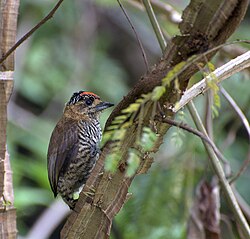
Piculets are the smallest members of the family. The bar-breasted piculet is the smallest known, weighing only 8.9 g. Despite their size, they maintain the characteristic drilling behaviors of their larger cousins.
Wrynecks (Jynginae)
Wrynecks are a specialized subfamily that differs from true woodpeckers in several behavioral and anatomical ways, though they remain closely related within the Picidae family.
Habitat and Adaptation

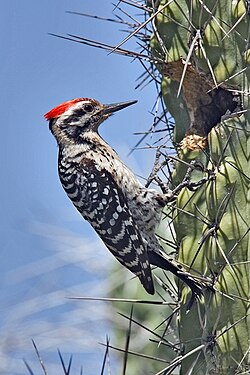
Woodpeckers are found globally, adapting to a wide variety of environments. While most are associated with forests, some species have evolved to survive in treeless deserts. For example, the ladder-backed woodpecker utilizes cacti for both roosting and breeding holes.
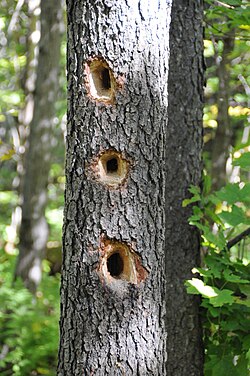
Their feeding habits often leave a permanent mark on the landscape, as they bore numerous holes into trees to extract larvae and insects.
Conservation and Extinction
Habitat fragmentation and loss have placed nearly 20 species at risk. The Bermuda flicker is believed to have vanished in the 17th century. More recently, the ivory-billed woodpecker and the imperial woodpecker have become symbols of avian conservation; while some believe they are extinct, the IUCN currently lists them as critically endangered.
| Category | Details |
|---|---|
| Scientific Family | Picidae |
| Total Species | Approximately 240 |
| Smallest Species | Bar-breasted piculet (7.5 cm) |
| Largest Extant Species | Great slaty woodpecker (up to 55 cm) |
| Max Deceleration | 10,000 m/s (1,000 g) |
| Primary Threat | Habitat loss and fragmentation |
Frequently Asked Questions
![The ivory-billed woodpecker is classified as critically endangered by the IUCN,[68] and some authorities believe it may already be extinct.](/images/cd/8e/cd8e6923d20421fec4d1551ae4c1e6231dad22480aa7c7f2a8ab866b4894cb9e.jpg)
How do woodpeckers avoid getting concussions?
They use a combination of biological shock absorbers. 99.7% of the impact energy is stored as strain energy throughout the body, and their skull structure is designed to distribute the force away from the brain.
What is a nictitating membrane?
It is a specialized third eyelid that closes immediately before the beak hits the wood, protecting the eye from flying debris and preventing the retina from tearing due to the impact.
Do all woodpeckers live in forests?
No. While most are forest-dwellers, some species, such as the ladder-backed woodpecker, live in treeless deserts and use cacti for nesting and roosting.
Which woodpeckers are considered extinct?
The Bermuda flicker is believed to have gone extinct in the 17th century. The ivory-billed and imperial woodpeckers are generally considered extinct by some, though the IUCN lists them as critically endangered.
What are piculets?
Piculets are the smallest members of the Picidae family, found in the subfamilies Picumninae and Sasiinae, with some species measuring as little as 7.5 cm in length.