William Bathurst, 5th Earl Bathurst: A Life of Public Service
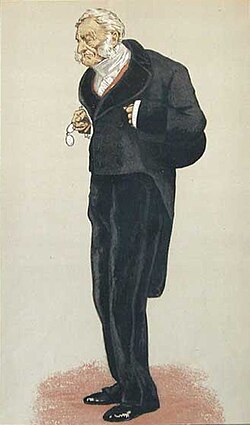
William Lennox Bathurst, the 5th Earl Bathurst, was a distinguished figure in 19th-century British governance. Serving as a peer, a Tory Member of Parliament, and a dedicated civil servant, his career spanned several decades of administrative leadership and legislative duty.
Early Life and Education
Born on February 14, 1791, William Bathurst was the second son of Henry Bathurst, the 3rd Earl Bathurst, and Lady Georgina Lennox. His academic foundation was laid at Christ Church, Oxford, where he pursued a rigorous course of study. He first graduated with a Master of Arts in 1812, and later returned to the institution to earn a Bachelor of Arts in 1817.
Following his academic pursuits, Bathurst entered the legal profession and was called to the Bar at Lincoln's Inn in 1821, providing him with the legal expertise necessary for his subsequent roles in the British government.
Political Career and Parliamentary Service
Bathurst's entry into politics occurred early in his adulthood. In 1812, at the age of twenty-one, he was elected to the House of Commons. He served as one of two representatives for Weobley, succeeding his elder brother, Lord Apsley. He maintained this seat until 1816, establishing his presence within the Tory party.
While he spent much of his middle age in administrative roles, he eventually ascended to the House of Lords in 1866. This transition occurred at the age of seventy-five when he succeeded his elder brother in the earldom.
Civil Service and Administrative Roles
Beyond the halls of Parliament, Lord Bathurst held a variety of critical positions within the British civil service, demonstrating a versatility in financial and naval administration.
- Deputy Teller of the Exchequer: Served from 1816 to 1830, managing government accounts.
- Commissioner for Victualling the Royal Navy: Served from 1825 to 1829, overseeing the provision of food and supplies for the fleet.
- Joint Secretary to the Board of Trade: Held this position from 1830 to 1847, influencing commercial policy.
- Joint Clerk of the Privy Council: Served from 1830 to 1860, supporting the sovereign's formal advisory body.
Key Facts
- Full Name: William Lennox Bathurst.
- Lifespan: February 14, 1791 – February 24, 1878.
- Education: Christ Church, Oxford (MA 1812, BA 1817).
- Political Affiliation: Tory.
- Longest Tenure: Joint Clerk of the Privy Council (30 years).
- Succession: Succeeded by his nephew, Allen.
Summary of Career Milestones
| Year/Period | Role/Achievement | Organization |
|---|---|---|
| 1812 | Member of Parliament for Weobley | House of Commons |
| 1816–1830 | Deputy Teller | Exchequer |
| 1821 | Called to the Bar | Lincoln's Inn |
| 1825–1829 | Commissioner for Victualling | Royal Navy |
| 1830–1847 | Joint Secretary | Board of Trade |
| 1830–1860 | Joint Clerk | Privy Council |
| 1866 | 5th Earl Bathurst | House of Lords |
Frequently Asked Questions
When did William Bathurst become the 5th Earl Bathurst?
He succeeded his elder brother and entered the earldom in 1866 at the age of seventy-five.
What was his educational background?
He was educated at Christ Church, Oxford, where he earned a Master of Arts in 1812 and a Bachelor of Arts in 1817.
Which government boards did he serve on?
He served as the Joint Secretary to the Board of Trade and as a Commissioner for victualling the Royal Navy.
Did William Bathurst have any children?
No, he never married. Upon his death in 1878, he was succeeded in his titles by his nephew, Allen.
How long did he serve as Joint Clerk of the Privy Council?
He held the position of Joint Clerk of the Privy Council for thirty years, from 1830 to 1860.