Prime Minister of the United Kingdom
The Prime Minister of the United Kingdom serves as the head of government, acting as the chief minister of the Crown and a Great Office of State. This pivotal role is central to the British political system, bridging the gap between the executive branch, the legislative Parliament, and the Monarchy.
While the position is now one of the most powerful political offices in the world, it evolved organically over centuries. Rather than being created by a single act of law, the premiership developed through constitutional convention and political necessity.
Key Facts
- Incumbent: Andy Burnham (since 20 July 2026).
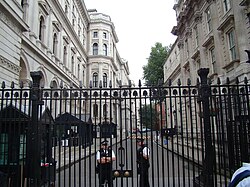
- Official Residence: 10 Downing Street, London.
- Country Retreat: Chequers.
- First Holder: Robert Walpole.
- Annual Salary: £166,786 (as of 2024, including MP salary).
- Appointment: Appointed by the Monarch, typically the individual who can command the confidence of the House of Commons.
The Evolution of the Office
Origins and Early Development (1689–1945)
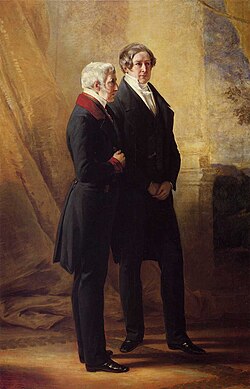
The office did not emerge overnight. Between 1689 and 1742, the role began to take shape as the Monarchy's direct involvement in daily administration decreased. Robert Walpole is recognized as the first Prime Minister, though at the time, the term was often used as a label of abuse rather than an official title.
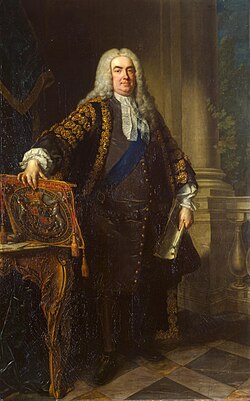
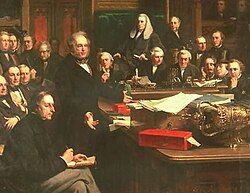
From 1742 to 1945, the role transitioned from a royal favorite to a leader who required the support of a parliamentary majority. This era saw the premiership navigate global conflicts and the expansion of the British Empire, refining the balance of power between the executive and the legislature.
Powers and Responsibilities
Executive and Prerogative Powers
The Prime Minister wields significant prerogative powers—authorities traditionally held by the Monarch but now exercised by the government. These include the power to appoint and dismiss ministers, negotiate international treaties, and oversee military action, although the latter often involves parliamentary approval.
Legislative and Parliamentary Role
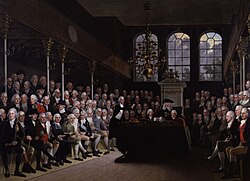
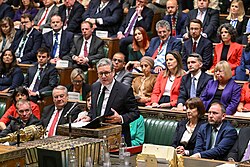
As a member of the Cabinet and the Privy Council, the Prime Minister directs the government's overall strategy. A defining feature of the role is Prime Minister's Questions (PMQs), a weekly session where the leader must defend government policy against questioning from Members of Parliament (MPs).
International Representation
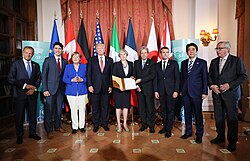
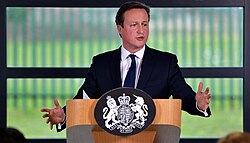
The Prime Minister represents the United Kingdom on the global stage, attending summits such as the G7 and G20 to drive economic growth and maintain diplomatic relations.
Administration and Logistics
The Prime Minister's Office
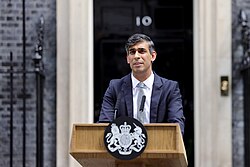
Based at 10 Downing Street, the Prime Minister's Office helps establish and deliver the government's policy priorities. It serves as the primary hub for communicating these policies to the public, Parliament, and international audiences.
Residences and Security
The Prime Minister maintains two primary residences: the official working residence at 10 Downing Street and Chequers, a country house used as a retreat. Due to the high profile of the office, personal protection is provided by the Metropolitan Police Service (MPS) Specialist Protection Command.
Succession and Retirement
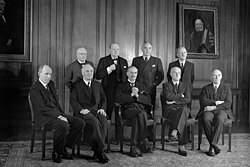
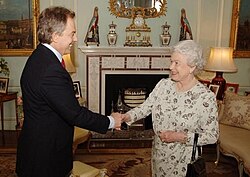
The Prime Minister holds office "at His Majesty's pleasure." Succession typically occurs when a Prime Minister resigns or loses the confidence of the House of Commons. The outgoing leader formally tenders their resignation to the Monarch, who then invites a successor capable of forming a government.
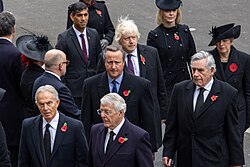
After leaving office, former Prime Ministers may receive retirement honors and a Public Duty Costs Allowance (PDCA) to assist with ongoing official duties. Some may return to government in different capacities, while others pursue writing or international diplomacy.
Summary of the Premiership
| Feature | Details |
|---|---|
| Formal Style | The Right Honourable |
| Diplomatic Style | His Excellency |
| Reports To | The Monarch and Parliament |
| Key Memberships | Cabinet, Privy Council, National Security Council |
| Term Length | At the Monarch's pleasure |
Frequently Asked Questions
Who appoints the Prime Minister?
The Monarch appoints the Prime Minister. However, this choice is limited to the person who is most likely to command the confidence of the House of Commons, typically the leader of the party with the most seats.
What is the difference between 10 Downing Street and Chequers?
10 Downing Street is the official residence and office in London where the Prime Minister conducts daily government business. Chequers is a country house used as a private retreat for the Prime Minister and their guests.
What are Prime Minister's Questions (PMQs)?
PMQs is a weekly parliamentary event where the Prime Minister answers questions from MPs, providing a mechanism for legislative scrutiny and public accountability.
Can a Prime Minister be removed from office?
Yes. A Prime Minister can resign voluntarily, be removed by their own party, or be forced out if they lose a vote of no confidence in the House of Commons.
How much is the Prime Minister paid?
As of 2024, the total annual salary is £166,786, which includes the standard salary for a Member of Parliament (£91,346).