Wicken Bonhunt: A Journey Through Early English History
Nestled in the heart of the English countryside, Wicken Bonhunt offers a fascinating glimpse into the evolution of early community life. From its possible origins as two distinct settlements to its mentions in the most famous land survey in English history, the village serves as a living museum of the region's architectural and social development.
Etymology and Early Origins
The name Wicken Bonhunt likely reflects the village's early functional identity. Historians suggest it may have originated from two separate communities. The name is thought to derive from the Old English words wic (meaning dairy farm) and bann-huntan, referring to huntsmen who were liable to be summoned for service.
The Domesday Record and Medieval Growth
By the time of the Domesday Book—the great survey of England commissioned by William the Conqueror—the area was recorded in the hundred of Uttlesford. It was listed as two manors, 'Wica' and 'Banhunta'. The records indicate a community consisting of 23 households, which included nine villagers, 11 smallholders, and three slaves. By 1238, subsidy rolls (tax records) referred to the settlement as 'Wykes Bonhunte'.
Archaeological Discoveries and Royal Links
The landscape of Wicken Bonhunt holds significant archaeological secrets. In 1967, a local archaeologist first spotted signs of an early settlement, which led to extensive excavations in the 1970s during the construction of the M11 motorway.
These excavations revealed a substantial middle Saxon settlement featuring approximately 30 structures, including a notable long room. Due to the scale of the site and the nature of the retrieved artefacts, archaeologists believe this location may have once served as a royal manor.
The Chapel of St Helen
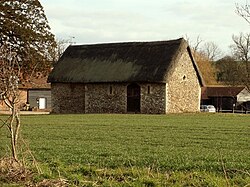
One of the most significant physical remnants of this era is the former Chapel of St Helen. Located in the grounds of Bonhunt Farm near the M11 flyover, this structure dates back to the 10th or 11th century. It is regarded as one of the oldest surviving buildings in the east of England, and the site continues to host an annual service.
Architectural Heritage
The village is home to several structures of architectural importance, most notably the Parish Church of St Margaret. While the chancel (the space around the altar) dates to the early 13th century, the church underwent extensive rebuilding and restoration in the 1850s, designed in a 14th-century style. This Grade II* listed building also houses a font believed to date from the 12th century.
Beyond the church, the village preserves other historic sites, including the 16th-century Brick House, which is also designated as a Grade II* listed building.
Key Facts
- Oldest Building: The Chapel of St Helen (10th/11th century) is among the oldest surviving structures in eastern England.
- Domesday Data: Recorded as 'Wica' and 'Banhunta' with 23 households.
- Saxon Site: Excavations revealed roughly 30 structures, suggesting a possible royal manor.
- Listed Status: Both the Parish Church of St Margaret and the Brick House hold Grade II* listings.
| Landmark | Estimated Period | Significance |
|---|---|---|
| Chapel of St Helen | 10th - 11th Century | One of the oldest surviving buildings in East England |
| Saxon Settlement | Middle Saxon | Potential royal manor with ~30 structures |
| Church of St Margaret | 13th Century (parts) | Grade II* listed; contains 12th-century font |
| The Brick House | 16th Century | Grade II* listed residential building |
Frequently Asked Questions
What does the name Wicken Bonhunt mean?
The name likely comes from Old English, where 'wic' refers to a dairy farm and 'bann-huntan' refers to huntsmen who were subject to summons.
What was discovered during the M11 motorway construction?
Excavations in the 1970s uncovered a middle Saxon settlement with about 30 structures, including a long room, leading experts to believe it may have been a royal manor.
How old is the Chapel of St Helen?
The chapel dates back to the 10th or 11th century and is considered one of the oldest surviving buildings in the east of England.
What is the architectural significance of the Parish Church of St Margaret?
It is a Grade II* listed building with a chancel from the early 13th century and a font dating back to the 12th century, though much of it was restored in the 1850s.
Who lived in Wicken Bonhunt during the Domesday survey?
The Domesday Book records 23 households in the manors of Wica and Banhunta, consisting of nine villagers, 11 smallholders, and three slaves.