The National Archives: Preserving the History of England and Wales
The National Archives (TNA) serves as the official repository for the government records of England and Wales. Operating as a non-ministerial department under the Department for Culture, Media and Sport, it is the primary guardian of the United Kingdom's documentary heritage. From medieval charters to modern digital files, the institution ensures that the evidence of government action is preserved for future generations.
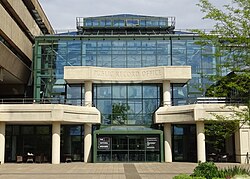
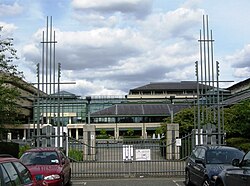
Based in Kew, Richmond, the archives provide a critical link between the state and the public, offering transparency and a wealth of information for historians, genealogists, and legal researchers.
Key Facts
- Location: Headquarters situated in Kew, Richmond.
- Jurisdiction: Covers England and Wales.
- Leadership: Led by Chief Executive and Keeper Saul Nassé.
- Budget: Annual budget of £46.2 million (2022–23).
- Staffing: Employs 626 people as of 2025.
- Governance: Overseen by the Secretary of State for Culture, Media and Sport.
Core Responsibilities and Roles
The National Archives does more than simply store old papers; it manages the entire lifecycle of government information. Its primary roles include:
- Policy: Advising the government on information practices, from the moment a record is created to its eventual reuse.
- Selection: Determining which documents possess sufficient historical or legal value to be stored permanently.
- Preservation: Utilizing scientific methods to ensure documents remain in the best possible condition.
- Access: Providing the public with the means to view and research historical documents.
- Advice: Offering expertise to other archives and archivists globally on document care.
- Intellectual Property: Managing crown copyright for the UK through the Office of Public Sector Information (OPSI) and His Majesty's Stationery Office (HMSO).
The Collections
The archives house a vast and diverse array of records. These include central government documents from the medieval, early modern, and modern eras, as well as a massive collection of maps, architectural drawings, and plans.
Types of Records Held
- Governmental: Cabinet papers, Home Office records, and correspondence from the Foreign and Colonial Offices.
- Family History: Wills, criminal records, and naturalisation certificates.
- Economic: Board of Trade statistics and records from English railway companies.
Collection Highlights
The National Archives holds some of the most significant documents in human history, including:
- The Domesday Book (1086): A unique survey of medieval England.
- Magna Carta (1225): The final version issued by King Henry III.
- William Shakespeare's Will (1616): Featuring the playwright's own signature.
- The Treaty of Versailles (1919): A copy of the peace treaty that ended World War I.
- The Titanic SOS (1912): The telegram sent by Jack Phillips to the SS Birma.
- Edward VIII's Abdication Letter (1936): The signed document ending his reign.
Access and Research
Researchers can access documents through a variety of methods. While many records are available via the Discovery catalogue—which contains over 37 million descriptions—some require a physical visit to Kew. Visitors must obtain a reader's ticket and can order documents in advance.
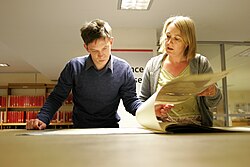
To protect fragile materials, the archives use specialized equipment, such as foam supports, to prevent bindings from breaking during study.
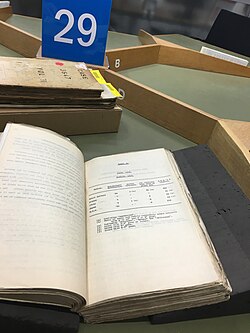
Military Records Digitization
A significant effort is underway to digitize British Army service records. In March 2023, Ancestry was awarded a contract to digitize over 3 million records from 1920 to 1963, with releases scheduled between 2024 and 2029. This complements existing microfilm copies of World War I "burnt" and "unburnt" records.
Institutional Overview
| Attribute | Details |
|---|---|
| Formed | April 2003 |
| Parent Department | Department for Culture, Media and Sport |
| Chief Executive | Saul Nassé (2024–Present) |
| Key Strategic Plan | Archives for Everyone 2013-27 |
| Child Agencies | OPSI, HMSO |
Digital Innovation and Outreach
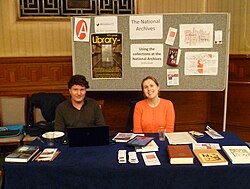
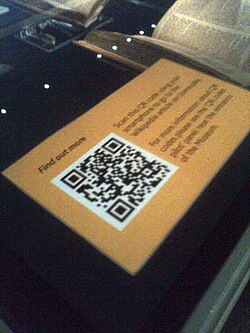
The National Archives has embraced technology to increase accessibility. This includes the use of QRpedia codes and the development of smartphone applications to make historical data more engaging.
Frequently Asked Questions
Who is the current head of The National Archives?
The current Chief Executive and Keeper of the Public Records is Saul Nassé, who assumed the role in 2024.
What is the Domesday Book?
The Domesday Book is a unique record of medieval England created in 1086, serving as a comprehensive survey of the land and resources of the time.
How can I access British Army service records?
Many records are available at the Kew site. Additionally, a major digitization project by Ancestry is releasing over 3 million service records from 1920–1963 between 2024 and 2029.
What is the role of the National Archives regarding copyright?
Through its child agencies, the Office of Public Sector Information (OPSI) and His Majesty's Stationery Office (HMSO), The National Archives manages crown copyright for the United Kingdom.
Can I visit The National Archives in person?
Yes, the archives are located in Kew, Richmond. Visitors typically need to register for a reader's ticket and order documents in advance for their visit.