White Rose Resistance: The Students Who Defied Nazi Germany
In the heart of Nazi Germany, a small group of students and a professor dared to challenge one of history's most oppressive regimes. Known as the White Rose (German: Weiße Rose), this non-violent, intellectual resistance group operated in Munich, using the power of the written word to awaken the German conscience during the height of World War II.
Founded on June 27, 1942, the group was led by five students—Hans Scholl, Alexander Schmorell, Willi Graf, Christoph Probst, and Sophie Scholl—alongside Professor Kurt Huber of the Ludwig Maximilian University (LMU) of Munich. Together, they launched a daring campaign of anonymous leaflets and graffiti, calling for active opposition to the Nazi regime.
Key Facts
- Founded: June 27, 1942, in Munich, Nazi Germany.
- Core Members: Hans and Sophie Scholl, Alexander Schmorell, Willi Graf, Christoph Probst, and Professor Kurt Huber.
- Primary Method: Distribution of six distinct leaflets and public graffiti.
- Total Reach: Approximately 15,000 copies of leaflets were distributed manually, with millions later dropped by Allied planes.
- End of Group: The core members were arrested by the Gestapo (the secret police of Nazi Germany) on February 18, 1943.
Intellectual Roots and Motivation
The White Rose was not born from a vacuum but from a deep intellectual and moral crisis. Many members, including Hans Scholl and Alexander Schmorell, had served on the Eastern Front during World War II. Their firsthand witness to mass murder in Poland and the Soviet Union left them compelled to act.
The group drew strength from classical philosophy, the Bible, and the works of iconic German poets such as Goethe, Schiller, and Novalis. They targeted the intelligentsia—the educated class—believing that logical arguments and moral appeals would convince them to resist the regime.
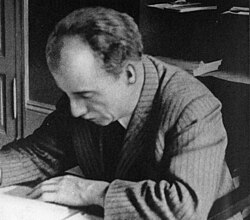
Professor Kurt Huber played a pivotal role as a mentor. Known for using political innuendos in his lectures to criticize Nazi ideology through the lens of philosophers like Leibniz, Huber became the main author of the group's final, most patriotic pamphlet.
The Campaign: Leaflets and Graffiti
Using a portable Remington typewriter, the group authored six leaflets. These documents denounced the crimes of the Nazi regime, specifically highlighting the persecution and mass murder of Jewish people in their second leaflet. They distributed these pamphlets via public phone booths, mail, and couriers to other universities across southern Germany.
The turning point came in early 1943. The Battle of Stalingrad ended in a catastrophic defeat for the German Wehrmacht, shattering national morale. This event, combined with student unrest at LMU Munich following a speech by Gauleiter Paul Giesler, emboldened the group.
Their sixth and final leaflet, titled "Fellow students!" (Kommilitoninnen! Kommilitonen!), declared that the "day of reckoning" had arrived for the tyrant. In February 1943, the group also used tin stencils to paint slogans such as "Down with Hitler" and "Freedom" on the walls of Munich buildings.
Capture and Execution
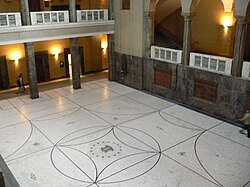
The group's activities came to an abrupt end on February 18, 1943, when Hans and Sophie Scholl were arrested by the Gestapo at LMU Munich. Willi Graf was also arrested that day, while Alexander Schmorell and Kurt Huber were taken into custody shortly thereafter.
Despite the group's bravery, the immediate reaction from the German public was not the uprising they had hoped for. Nazi propaganda, led by Joseph Goebbels, used the defeat at Stalingrad to push for "Total War," and many students in Munich officially protested against the "traitors" in their midst.
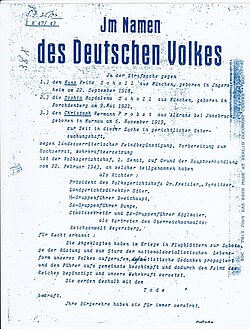
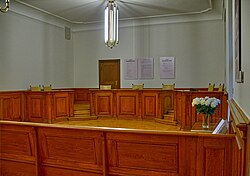
The members were tried by the German High Court and sentenced to death. While the regime viewed them as "traitors and defeatists," their message eventually reached the world. The New York Times reported on the trials in early 1943, and Nobel laureate Thomas Mann praised their courage in BBC broadcasts.
Legacy and Remembrance
The White Rose remains a global symbol of courage and intellectual resistance. In July 1943, Allied aircraft dropped millions of copies of the group's final manifesto over Germany, ensuring their message reached a massive audience.
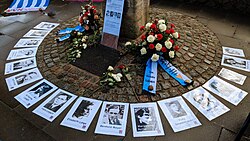
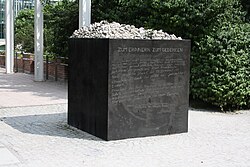
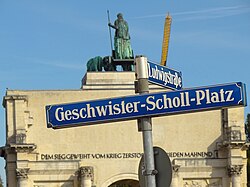
Today, the group is honored through numerous memorials, including a black granite monument in Munich's Hofgarten and the naming of the Geschwister-Scholl-Platz outside LMU Munich. The Geschwister-Scholl-Preis is now one of Germany's most prestigious literary awards.
The last surviving member, Traute Lafrenz, was awarded the Order of Merit of the Federal Republic of Germany in 2019 before her passing in 2023.
| Category | Details |
|---|---|
| Active Period | June 1942 – February 1943 |
| Location | Munich, Germany (LMU Munich) |
| Core Strategy | Non-violent intellectual resistance via leaflets |
| Key Figures | Hans Scholl, Sophie Scholl, Kurt Huber |
| Primary Goal | To incite German opposition to the Nazi regime |
Frequently Asked Questions
Who were the primary members of the White Rose?
The core group consisted of students Hans Scholl, Sophie Scholl, Alexander Schmorell, Willi Graf, and Christoph Probst, along with their mentor, Professor Kurt Huber.
What was the purpose of the White Rose leaflets?
The leaflets were designed to denounce the crimes of the Nazi regime, including the mass murder of Jews, and to call upon the German people and intelligentsia to actively resist the government.
How did the group get caught?
Hans and Sophie Scholl were arrested on February 18, 1943, after being caught distributing leaflets at the LMU Munich main building.
Did the White Rose succeed in starting a revolution?
While they did not trigger a mass uprising during the war, their actions provided a moral blueprint for resistance and were later amplified by Allied forces who dropped millions of their leaflets over Germany.
How is the White Rose remembered today?
They are honored through memorials in Munich, the Geschwister-Scholl-Preis literary award, and the naming of schools and parks in their honor globally.