Whigs: The Evolution of Britain's Liberal Political Powerhouse
The Whigs were a dominant political faction in the Parliaments of England, Scotland, Ireland, and later Great Britain and the United Kingdom. Operating between 1678 and 1859, they served as the primary ideological rivals to the Tories. From their origins as a movement resisting absolute monarchy to their eventual merger into the Liberal Party, the Whigs shaped the trajectory of British governance, championing parliamentarism—the system where the legislative body holds primary power—and early liberal ideals.
The party's influence peaked during the "Whig Supremacy," a period of near-total control over the state, and continued through the era of great social reforms in the 19th century. Their legacy is defined by a transition from anti-Catholicism and aristocratic power toward classical liberalism and democratic expansion.
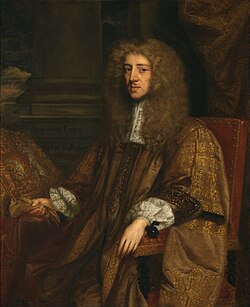
Key Facts
- Founded: 1678 by Anthony Ashley Cooper, 1st Earl of Shaftesbury.
- Dissolved: 1859, when they merged with the Peelites and Radicals to form the Liberal Party.
- Core Ideology: Whiggism, British liberalism, and parliamentarism.
- Key Rivals: The Tories.
- Defining Era: The Whig Supremacy (1714–1760).
- Political Position: Centre to centre-left.
Origins and the Struggle for Power
The Whigs emerged during a time of intense religious and political volatility. In their early years, the party was characterized by strong anti-Catholicism and a commitment to preventing the succession of Roman Catholic monarchs. They played a pivotal role in the Glorious Revolution of 1688, which saw the removal of the Stuart kings in favor of a constitutional monarchy.
This victory set the stage for the Whig Supremacy (1714–1760). Following the Hanoverian succession of George I and the failure of the Jacobite rising of 1715, the Whigs seized full control of the government. They systematically purged Tories from the army, the Church of England, the legal profession, and local offices, effectively turning Great Britain into a one-party state for several decades.
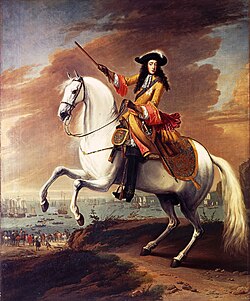
The Era of Robert Walpole
The first great leader of this era was Robert Walpole, who maintained government control from 1721 to 1742. He was followed by his protégé, Henry Pelham (1743–1754). Historians often describe the period from 1714 to 1783 as the "long period of Whig oligarchy," where a small group of powerful Whig families dominated British political life.
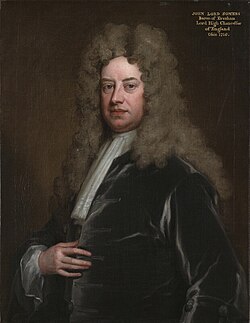
Ideological Foundations and Economic Policy
The intellectual backbone of the Whigs was heavily influenced by the liberal political ideas of John Locke and Algernon Sidney. They adopted the language of universal rights and government by consent. By the 1770s, the party integrated the theories of Adam Smith, the founder of classical liberalism, which aligned well with the interests of the Whigs' growing middle-class constituency.
Economically, the Whigs were often proponents of protectionism—the policy of restricting imports to protect domestic industries. This was most evident in their repeated efforts to ban French goods, such as the Prohibition of 1678 and the Trade with France Act of 1704. They vehemently opposed free trade treaties with France, viewing economic restriction as a tool of national security and political leverage.
The Shift Toward a Two-Party System
The Whig monopoly on power began to erode with the accession of King George III in 1760, who allowed the Tories to return to government. By the late 18th century, the party structure became more fluid. During the American War of Independence, the Whigs were notably more sympathetic to the creation of a democracy in the United States and the cause of American independence.
The political landscape became increasingly complex in the 1780s. After the fall of the North administration in 1782, a series of unstable coalitions emerged. Charles James Fox, a leading Whig figure, famously entered an unlikely coalition with his former enemy Lord North in 1783, though this was short-lived due to the intervention of George III.
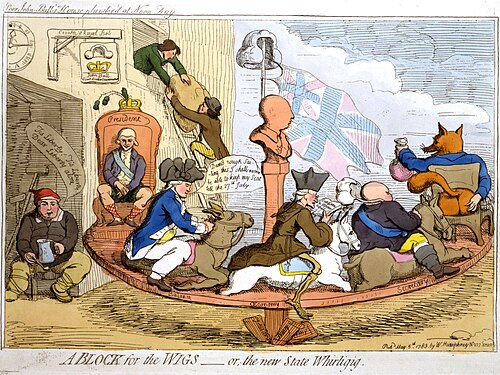
The 19th Century and the Path to Liberalism
In the 1800s, the Whigs evolved into a party of reform. This era was marked by the Reform Act 1832, a landmark piece of legislation that expanded the electorate. To celebrate and foster these progressive ideas, the Reform Club was established in 1836 in Pall Mall, serving as a bastion for liberal thought.
Under leaders like Lord Grey and Lord Melbourne, the Whigs navigated the transition from an aristocratic faction to a modern political party. By the 1850s, the Whigs merged with the Radicals and the Peelites to form the Liberal Party. This transition marked the end of the Whigs as a distinct entity, though many former Whigs later split from the Liberals in 1886 over Irish Home Rule to join the Conservatives.
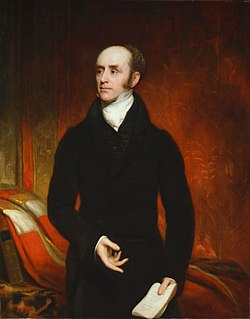
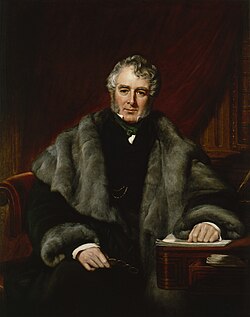
Whig Political Performance Summary
| Era/Parliament | Key Leader(s) | Notable Outcome/Position | Political Trend |
|---|---|---|---|
| Parliament of England | Anthony Ashley Cooper | Majority by 1681 | Rise against Stuart monarchy |
| Parliament of Great Britain | Robert Walpole | Whig Supremacy (1714–1760) | One-party oligarchy |
| Parliament of UK (Early 19th C) | Charles James Fox | Frequent Minority/Opposition | Shift toward liberal reform |
| Parliament of UK (Late 19th C) | Lord Grey / Lord Melbourne | Reform Act 1832 | Transition to Liberal Party |
Frequently Asked Questions
Who founded the Whig Party?
The Whigs were founded in 1678 by Anthony Ashley Cooper, the 1st Earl of Shaftesbury.
What was the "Whig Supremacy"?
The Whig Supremacy was a period between 1714 and 1760 when the Whigs held near-total control over the British government, the army, and the Church of England, following the Hanoverian succession.
How did the Whigs differ from the Tories?
While the Tories generally adhered to the ancient Constitution and the established hierarchy of the Church of England, the Whigs championed parliamentarism, liberal political values, and were initially defined by their opposition to Roman Catholic monarchs.
What happened to the Whigs in the 19th century?
In the 1850s, the Whigs merged with the Radicals and the Peelites to form the Liberal Party, effectively ending their existence as a separate political faction.
What was the Whigs' stance on the American Revolution?
During the American War of Independence, the Whigs were the faction more sympathetic to the American colonies' push for independence and the establishment of a democracy in the United States.