West Palm Beach: A Vibrant Hub of Culture, History, and Florida Living
Located on the southeastern coast of Florida, West Palm Beach is a dynamic city known for its blend of urban sophistication and tropical charm. Often referred to by nicknames such as "Orchid City" or simply "WPB," the city serves as a primary gateway to the luxurious Palm Beach island and acts as a central economic and cultural pillar for Palm Beach County.
From its early days as a frontier settlement to its current status as a modern metropolis with a soaring skyline, West Palm Beach offers a diverse environment where history meets contemporary growth.
Key Facts
- Incorporation: Originally incorporated as a town on November 5, 1894, and became a city on July 21, 1903.
- Population: Approximately 117,415 (2020 Census), with a 2022 estimate of 120,932.
- Geography: Spans 57.98 square miles, with an average elevation of 16 feet.
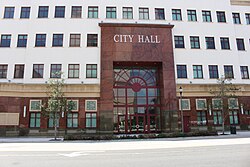
- Government: Operates under a Mayor-commission system, currently led by Mayor Keith A. James.
- Climate: Characterized by high humidity and significant rainfall, averaging 61.75 inches annually.
History and Evolution
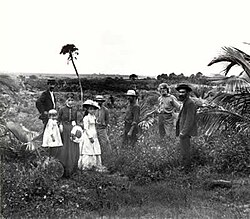
The roots of the city trace back to the Lake Worth Country Settlement around 1884. By 1893, the area was platted as the West Palm Beach Settlement, eventually leading to its formal incorporation. The city's growth has been steady over the last century, evolving from a small community of 564 people in 1900 to a major urban center.
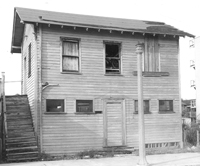
Throughout the 20th century, the city expanded its infrastructure and footprint, transitioning from a quiet coastal town into a bustling city with a diverse population and a robust economy.
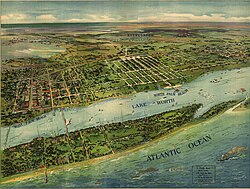
Geography and Urban Landscape
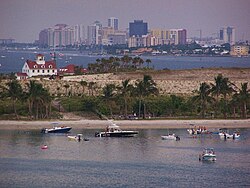
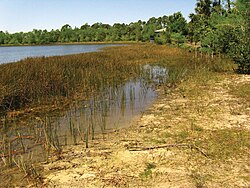
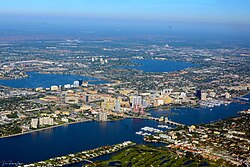
West Palm Beach is situated at coordinates 26°44′49″N 80°07′52″W. The city's landscape is a mix of developed urban areas and preserved natural spaces, such as the Grassy Waters Preserve.
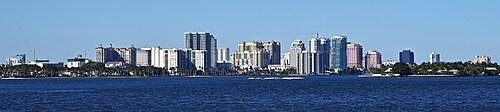
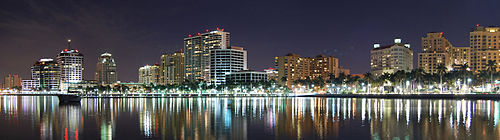
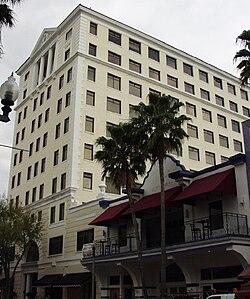
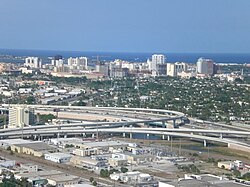
The city's skyline has seen significant growth, with several high-rise buildings defining its modern profile. The tallest structure, One West Palm, reaches a height of 426 feet with 30 stories.
Notable Architecture and Landmarks
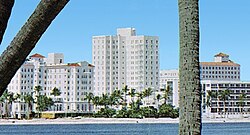
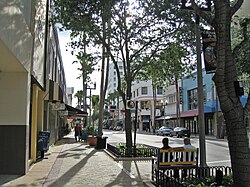
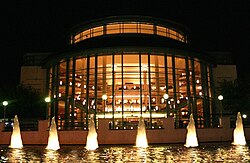
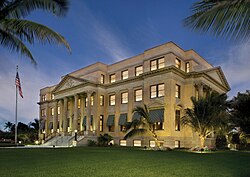
The city is home to several architectural landmarks and cultural centers. Clematis Street serves as a focal point for dining and entertainment, while the Raymond F. Kravis Center for the Performing Arts provides a venue for world-class performances.
Demographics and Community
The population of West Palm Beach is multicultural and diverse. As of the 2020 Census, the racial composition includes 38.3% White (non-Hispanic), 30.9% Black or African American, and 24.6% Hispanic or Latino. The city also has a significant foreign-born population (27.0%), with notable communities from Haiti, Cuba, and Jamaica.
Language diversity is also prominent, with approximately 20.4% of residents speaking Spanish or Spanish Creole and 5.7% speaking French or Haitian Creole at home.
Economy, Education, and Culture
The local economy is supported by a variety of sectors, including tourism, government, and professional services. The Palm Beach County Convention Center, featuring 350,000 square feet of space, is a major driver for business tourism in the downtown area.
Education is provided through a mix of public and private institutions. Notable private schools include Cardinal Newman High School and The Benjamin School. For higher education, Palm Beach Atlantic University is a prominent fixture along the Lake Worth Lagoon.
Arts and Recreation
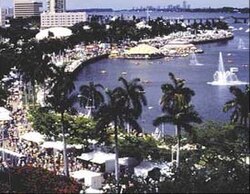
Culture thrives in West Palm Beach through events like the Palm Beach International Film Festival and SunFest, Florida's largest waterfront music festival. For nature lovers, the Palm Beach Zoo at Dreher Park and Lion Country Safari offer unique wildlife experiences.
Transportation and Infrastructure
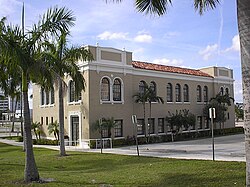
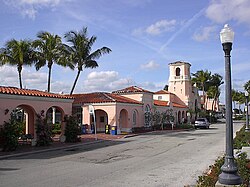
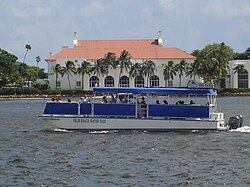
The city is well-connected via several modes of transport. The Seaboard Air Line Station serves as a hub for Amtrak and Tri-Rail, while the Water Taxi provides a scenic way to navigate the city's waterways.
Major highways, including I-95, ensure efficient travel to other parts of Florida, connecting the downtown core to the Palm Beach International Airport (PBIA).
City Overview Summary
| Category | Detail |
|---|---|
| Total Area | 57.98 sq mi |
| Population (2020) | 117,415 |
| Median Household Income | $56,549 |
| Tallest Building | One West Palm (426 ft) |
| Primary Time Zone | EST (UTC-5) |
Frequently Asked Questions
What is the tallest building in West Palm Beach?
The tallest building is One West Palm, which stands at 426 feet (130 meters) with 30 stories.
What are the primary languages spoken in West Palm Beach?
English is the most common language (68.5%), followed by Spanish or Spanish Creole (20.4%) and French or Haitian Creole (5.7%).
When was West Palm Beach incorporated?
It was incorporated as a town on November 5, 1894, and later incorporated as a city on July 21, 1903.
What is SunFest?
SunFest is recognized as Florida's largest waterfront music festival, held annually in West Palm Beach.
How do residents typically travel via water in the city?
The Water Taxi is a primary means of transportation for those navigating the city's waterfront and Intracoastal Waterway.