Visual Arts: From Ancient Cave Paintings to Digital Media
The visual arts encompass a vast array of art forms that create works primarily intended for visual perception. This broad category includes traditional mediums such as painting, drawing, sculpture, and architecture, as well as modern developments like photography, filmmaking, and computer art. While some disciplines, such as performing or textile arts, overlap with the visual realm, the visual arts are defined by their focus on the image and the physical or digital space it occupies.
Historically, a sharp divide existed between fine art—such as painting and sculpture—and the applied arts, which include industrial, graphic, fashion, and interior design. For centuries, the term "artist" was reserved for those practicing fine arts. However, the Arts and Crafts Movement at the turn of the 20th century challenged this hierarchy, advocating for the value of vernacular art forms and crafts as equal to "high art." This shift helped bridge the gap between the craftsperson and the artist.
In both Western and East Asian traditions, painting has often been privileged over other forms. This preference stemmed from the belief that painting relies most heavily on the artist's imagination and is the furthest removed from manual labor. In China, this was exemplified by "scholar-painting," a style theoretically practiced by gentleman amateurs.
Key Facts
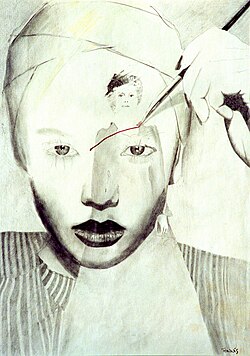
- Broad Scope: Includes fine arts, applied arts (design), and crafts.
- Ancient Origins: Pigment processing for body painting dates back roughly 200,000 years; cave paintings are at least 50,000 years old.
- Printmaking Diversity: Varies from Western oil-based woodcuts to Japanese water-based mokuhanga.
- Legal Definition: In the US, a "work of visual art" for copyright often refers to single copies or limited editions of 200 or fewer.
The Evolution of Painting and Materials
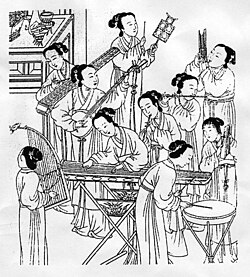
The earliest human expressions in the visual arts utilized natural pigments derived from charcoal, chalk, and ochre. These were applied to stone surfaces using fingers, bird feathers, animal hair, or twig brushes, with water or fat serving as binders to adhere the pigment to the rock.
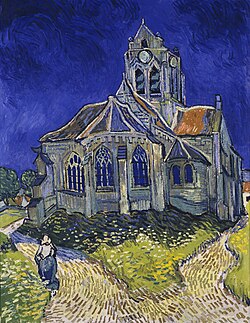
Over millennia, these primitive methods evolved into sophisticated systems. The development of oil paint and synthetic materials during industrialization allowed for greater versatility and durability. Today, the medium has extended into digital realms, where software and hardware replace the physical brush and canvas.
The Art of Printmaking
Printmaking allows for the reproduction of images and has evolved differently across global cultures.
European Traditions
Western prints produced before 1830 are categorized as "old master prints." Starting around 1400 AD, woodcut techniques—influenced by Byzantine and Islamic worlds—became prominent. Key figures like Michael Wolgemut and Erhard Reuwich (who introduced cross-hatching) advanced the medium, while Albrecht Dürer elevated the single-leaf woodcut to an unprecedented artistic status.
Chinese and Japanese Innovations
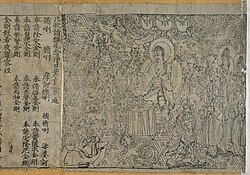
Printmaking in China began approximately 1,100 years ago, initially focusing on religious texts before expanding into landscapes during the Song dynasty. By the Ming and Qing dynasties, the technique was fully perfected.
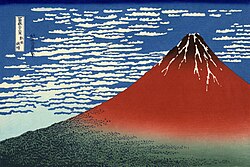
Japan adopted woodblock printing (mokuhanga) during the Edo period (1603–1867). While similar to Western woodcuts, mokuhanga uses water-based inks rather than oil-based ones. This distinction allows for the vivid colors, glazes, and transparency seen in the famous ukiyo-e genre.
Diverse Mediums of Visual Expression
Beyond painting and printing, the visual arts encompass several other critical disciplines:
- Sculpture and Plastic Arts: The creation of three-dimensional forms, ranging from ancient stone carvings to modern 3D printing.
- Architecture: The art and science of designing buildings and structures.
- Photography and Filmmaking: The capture of light and motion to create still or moving images.
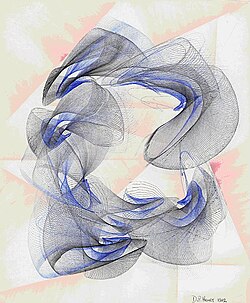
- Computer Art: The use of digital technology, including algorithmic and new media art, to create visual experiences.
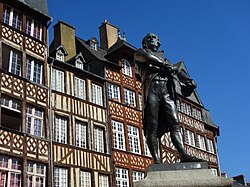
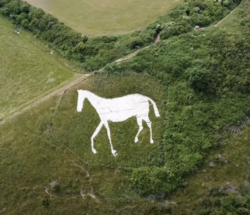
From land art, such as the Litlington White Horse, to the structured design of timber-framed houses, visual arts manifest in every scale of human environment.
Summary of Visual Art Categories
| Category | Examples | Primary Focus |
|---|---|---|
| Fine Arts | Painting, Sculpture, Printmaking | Aesthetic and imaginative expression |
| Applied Arts | Graphic Design, Fashion, Interior Design | Functional and decorative utility |
| Modern Media | Photography, Video, Computer Art | Technological capture and manipulation |
| Crafts | Ceramics, Textiles, Decorative Art | Manual skill and traditional technique |
Frequently Asked Questions
What is the difference between fine art and applied art?
Fine art traditionally focuses on aesthetics and the artist's imagination (e.g., painting), while applied art integrates design and aesthetics into functional objects (e.g., industrial or fashion design).
How does Japanese mokuhanga differ from Western woodcut?
The primary difference is the ink; mokuhanga uses water-based inks, which enable a wider range of transparency and vivid colors, whereas Western woodcuts typically use oil-based inks.
How old are the earliest known paintings?
While tools for pigment processing date back 200,000 years, formal cave paintings are estimated to be at least 50,000 years old.
What constitutes a "work of visual art" under US copyright law?
It generally includes a painting, drawing, print, or sculpture existing as a single copy or in a limited edition of 200 or fewer signed and numbered copies, as well as certain signed still photographic images.