Understanding the Decorative Arts: Where Beauty Meets Function
What defines an object as "art"? For centuries, a strict line has been drawn between works created solely for aesthetic contemplation and those designed for daily use. This distinction forms the basis of the decorative arts—a vast field of design and manufacture dedicated to creating objects that are both beautiful and functional.
The decorative arts encompass a wide array of disciplines, including ceramic art, metalwork, furniture, jewellery, fashion, textiles, and glassware. While they often overlap with the applied arts and fall under the modern umbrella of "design," they have historically been viewed through a different lens than the "fine arts."
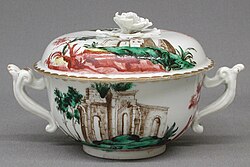
The Great Divide: Decorative vs. Fine Arts
In Western tradition, particularly following the Renaissance, a distinction emerged between the decorative arts and the fine arts. The fine arts—such as painting, drawing, photography, and large-scale sculpture—were generally regarded as being produced for their ability to stimulate the intellect and provide pure aesthetic value.
However, this hierarchy is not universal. The distinction often fails to capture the true value of art in other cultures and historical periods:
- Islamic Art: Often consists entirely of decorative arts, frequently utilizing intricate geometric and plant forms.
- Early Medieval Europe: While manuscript illumination and sculpture existed, the most prestigious and highly valued works were often decorative, such as goldsmith work, bronze casting, and ivory carving.
- Chinese Art: Historically, two different value systems co-existed. Ink wash painting was valued as an expression of the artist's imagination, while highly sophisticated ceramics were produced under different artistic standards.
In the Middle Ages, certain decorative forms were held in higher esteem than others. For example, ars sacra (sacred arts) refers to medieval Christian works executed in precious materials like metal, ivory, and textiles. During the Renaissance, tapestries were considered among the most magnificent and expensive art forms available to royalty.
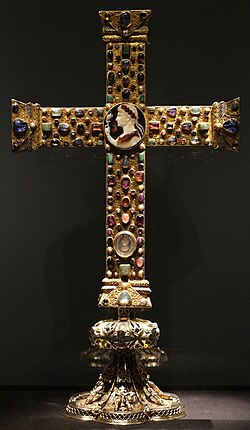
Shifting Perspectives and Modern Re-evaluation
The view of decoration as a "lesser art" began to face serious challenges in the 20th century. In the 1970s, art historians like Amy Goldin and Anne Swartz challenged the singular narrative of art history. This shift was further propelled by the Pattern and Decoration movement in 1980s New York, which advocated for a more inclusive evaluation of artistic value.
Today, the boundaries continue to blur as curators show increasing interest in ethnic decorative traditions and street art, moving away from the rigid hierarchies of the past.
The Role of Materials and Survival
Our modern understanding of art history is often influenced by what has survived. This creates a potential bias in how we perceive different media:
- Precious Metals: While highly valuable, metalwork is often "recycled." Owners throughout history have melted down decorative metal objects to use as repositories of wealth during times of need.
- Illuminated Manuscripts: These have a much higher survival rate because they were often preserved by the church and held relatively low material value compared to gold or silver.
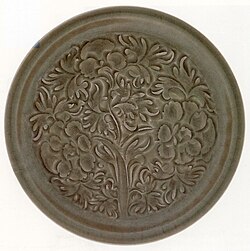
- Ceramics and Pottery: These remain vital examples of decorative mastery across various eras and cultures.
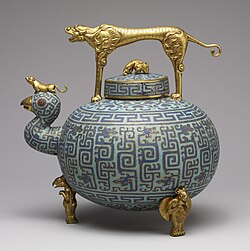
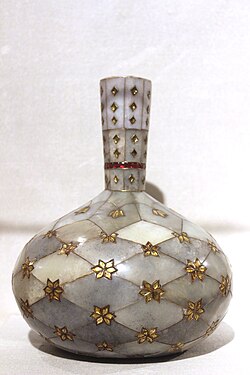
The Arts and Crafts Movement: A Turning Point
The gap between fine and decorative arts began to narrow significantly during the Arts and Crafts movement in the second half of the 19th century. Born in England and inspired by thinkers like John Ruskin and William Morris, the movement championed the idea that there was no meaningful difference between the two categories.
This movement had a lasting impact on society and law. For instance, the Copyright Act 1911 in the UK expanded the definition of "artistic work" to include "artistic craftsmanship," finally granting legal protection to decorative works that had previously been excluded.

Modern Consumerism and Customization
In an era of mass production, the desire for unique identity remains strong. As noted by Colin Campbell in "The Craft Consumer," individuals often resist the uniformity of mass-produced goods by customizing them to fit their specific lifestyles.
This modern "crafting" can take many forms, such as:
- Decoupage: Decorating objects with paper cutouts.
- Art Cars: Transforming vehicles into moving canvases.
- Truck Art: A vibrant tradition of decorating vehicles, particularly in South Asia.
- IKEA Hacking: Modifying mass-produced furniture to create unique pieces.

Key Facts
- Definition: Decorative arts are objects designed to be both beautiful and functional.
- Major Categories: Includes ceramics, metalwork, furniture, jewellery, fashion, textiles, and glassware.
- Historical Shift: The Renaissance promoted "fine arts" (imagination-based) over "decorative arts" (material-based), a view that has been challenged in modern times.
- Legal Milestone: The Copyright Act 1911 extended legal protection to works of "artistic craftsmanship."
- Cultural Variation: Many cultures, such as Islamic and traditional Chinese societies, did not historically separate fine art from decorative art.
Summary of Art Classifications
| Category | Primary Aim | Common Examples |
|---|---|---|
| Fine Arts | Aesthetic and intellectual stimulation | Painting, drawing, photography, large-scale sculpture |
| Decorative Arts | Beauty combined with functionality | Ceramics, furniture, jewellery, glassware |
| Applied Arts | Design applied to practical objects | Often overlaps with decorative arts and modern design |
Frequently Asked Questions
What is the main difference between fine arts and decorative arts?
The fine arts are generally created for their aesthetic and intellectual value alone, whereas the decorative arts focus on creating objects that are both beautiful and serve a practical, functional purpose.
What does the term "ars sacra" mean?
"Ars sacra" translates to "sacred arts." It is a term sometimes used to describe medieval Christian art made from highly valuable materials like metal, ivory, and textiles.
How did the Arts and Crafts movement change the status of decorative arts?
The movement helped bridge the gap between fine and decorative arts by promoting the idea that craftsmanship and design were as significant as traditional fine arts, eventually leading to legal recognition of artistic craftsmanship.
Why are many ancient metal artworks missing today?
Metalwork, especially items made of precious metals, was often recycled. Owners frequently melted down decorative metal objects to use the material as wealth when extra money was needed.
What is "IKEA hacking"?
IKEA hacking is a modern form of customization where individuals modify mass-produced furniture to better suit their personal style and lifestyle, turning a common object into something unique.