Viola: The Diverse and Fascinating World of Violets and Pansies
The genus Viola encompasses a vast and beautiful array of flowering plants, ranging from the delicate, fragrant violets found in woodland shadows to the vibrant, hardy pansies that brighten our gardens. Belonging to the family Violaceae, this genus is recognized globally for its aesthetic appeal, cultural significance, and remarkable biological diversity.
From the high mountains of Africa to the temperate forests of North America and the diverse landscapes of Australia, Viola species have adapted to nearly every corner of the globe. Whether they are used as ornamental bedding plants or utilized in culinary delights, these plants continue to captivate botanists and gardeners alike.
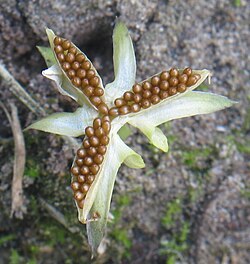
Key Facts
- Scientific Classification: Part of the order Malpighiales and the family Violaceae.
- Diversity: The genus is divided into seventeen recognized sections.
- Type Species: Viola odorata (Sweet Violet).
- Common Names: Includes violets, pansies, and heartsease.
- Horticultural Use: Widely grown as both perennial and bedding plants.
- Culinary Uses: Used in flavoring candies and even specialty beers.
Taxonomy and Classification
The classification of Viola is complex due to its immense variety. Botanists organize the genus into several sections, which are groups of species that share similar morphological characteristics. For example, the section Melanium contains the well-known pansies, while section Viola (sensu stricto) includes many traditional violets.
Historically, the genus has been documented by some of the most significant figures in botany. Carl Linnaeus, the father of modern taxonomy, provided early descriptions of the genus in his seminal work, Species Plantarum (1753).
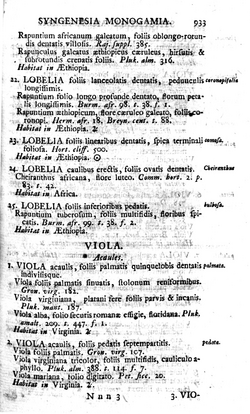
Major Sections of Viola
The genus is subdivided into seventeen distinct sections. Some of the most notable include:
- Sect. Melanium: Primarily includes pansies, such as Viola tricolor (wild pansy).
- Sect. Viola: Contains many common violets, including Viola odorata.
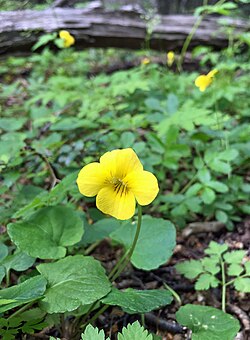
- Sect. Chamaemelanium: Found in North America and Northeast Asia.
- Sect. Erpetion: Native to eastern Australia and Tasmania.
- Sect. Plagiostigma: Distributed across the northern hemisphere.
| Section | Common Name/Example | Primary Region |
|---|---|---|
| Melanium | Pansies (e.g., V. tricolor) | Western Eurasia |
| Viola | Violets (e.g., V. odorata) | Northern Hemisphere |
| Chamaemelanium | Yellow wood violet | N. America / NE Asia |
| Erpetion | Australian native violet | Australia / Tasmania |
| Andinium | Small Andean species | South America |
Notable Species and Varieties
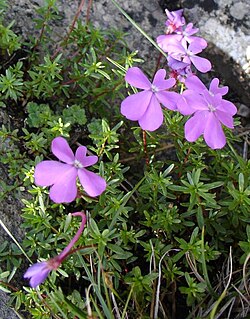
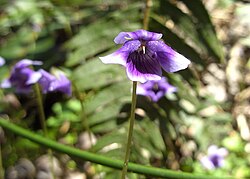
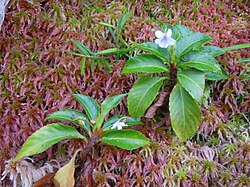
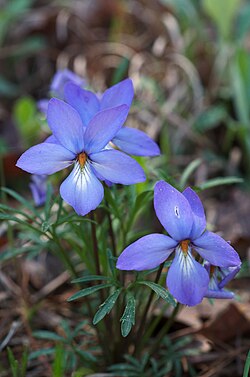
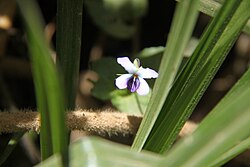
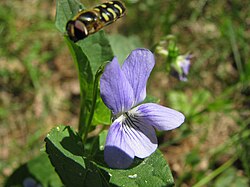
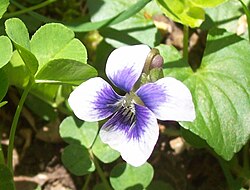
Within the genus, individual species exhibit striking differences in leaf shape, flower color, and growth habits. For instance, Viola tricolor, often called heartsease, is a staple of the wild pansy group, while Viola odorata is prized for its sweet scent.
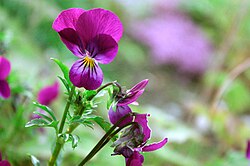
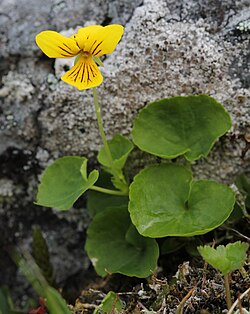
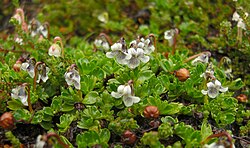
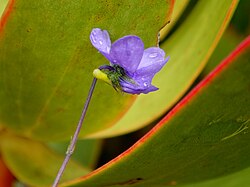
In the wild, you might encounter Viola canina (heath dog violet) or the mountain violet Viola tridentata. In Australia, the ivy-leaved violet Viola hederacea is a common sight. The diversity is so great that even within a single section, species can look vastly different.
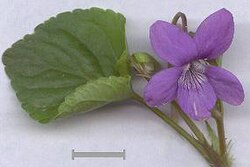
Cultivated Varieties and Horticulture
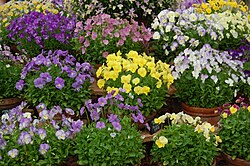
Gardeners have spent centuries breeding Viola to enhance their colors and forms. Modern cultivars offer a wide range of options, from large, round-flowered varieties to those with unique, novel colorations achieved through selective breeding.
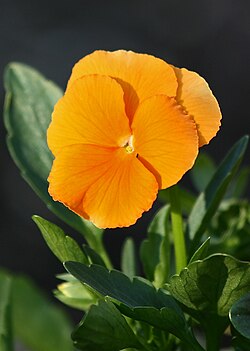
Popular cultivars include 'Aspasia', 'Jackanapes', and 'Moonlight'. These are often used as bedding plants (annuals used for seasonal color) or as perennial cultivars that return year after year. At horticultural shows, such as Gardeners' World Live, these cultivated varieties are frequently showcased for their beauty.
Uses Beyond the Garden
The utility of Viola extends far beyond ornamental gardening. The phytochemistry (the study of chemicals derived from plants) of certain species has led to interesting applications in various industries.
Culinary and Fragrance Applications
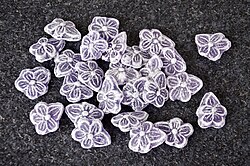
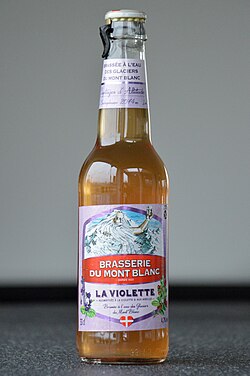
Certain violets are edible and are used to add flavor and color to food. Violet-flavored candies are a classic treat, and the delicate essence of the flower is even used in specialty beverages like French violet-flavored beer.
Frequently Asked Questions
What is the difference between a pansy and a violet?
While both belong to the Viola genus, pansies (such as those in section Melanium) are generally larger with broader, overlapping petals, whereas violets (such as those in section Viola) tend to be smaller and often more fragrant.
Are all Viola species edible?
While many species like Viola tricolor are used culinarily, one should always ensure a specific species is identified as edible before consumption, as botanical knowledge is essential for safety.
Can I grow Violas in my garden year-round?
This depends on whether you choose perennial cultivars, which return each year, or bedding plants, which are often treated as annuals for seasonal displays.
Why are some Violas called "dog violets"?
Viola canina and Viola riviniana (common dog violet), depending on the geographic region.What is the type species of the genus Viola?
The type species, which serves as the botanical standard for the genus, is Viola odorata, commonly known as the sweet violet.