Vibraphone: History, Mechanics, and Artistry of the Keyboard Percussion Instrument
The vibraphone, often referred to as the "vibes," is a sophisticated keyboard percussion instrument known for its ethereal, shimmering tone and distinctive vibrato. Combining the layout of a piano with the resonance of metal bars, it has evolved from a vaudeville novelty into a cornerstone of jazz and a versatile tool for classical and cinematic compositions.
Unlike many of its percussion cousins, the vibraphone is a non-transposing instrument, meaning it is written at concert pitch. Its unique sound is produced by striking tuned aluminum bars, which are amplified by resonators and modulated by a mechanical motor to create its signature pulsing effect.

Key Facts
- Inventor: Developed around 1916 by Herman E. Winterhoff of the Leedy Manufacturing Company.
- Standard Range: Typically 3 octaves (F3 to F6), though 3.5 and 4-octave models exist.
- Defining Feature: An electric motor that rotates discs in the resonators to create vibrato.
- Primary Genres: Heavily associated with jazz, but also used in classical, theater, and film music.
- Tuning Standards: Usually tuned to A = 440 Hz or A = 442 Hz for a brighter sound.
The Evolution of the Vibraphone
Invention and Early Years
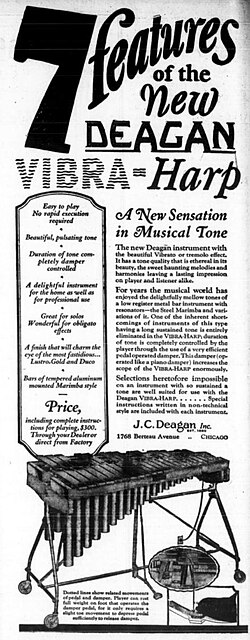
The instrument's origins date back to 1916, when Herman Winterhoff began experimenting with "vox humana" effects on a three-octave steel marimba. His initial attempts involved physically raising and lowering resonators to create vibrato. By 1921, Winterhoff perfected the design by introducing a motor that rotated small discs beneath the bars.
Marketed by Leedy starting in 1924 after sales manager George H. Way coined the name "vibraphone," the instrument first gained popularity through novelty recordings by vaudeville performer Louis Frank Chiha, specifically in pieces like "Aloha ʻOe" and "Gypsy Love Song."

Rise in Jazz and Classical Music
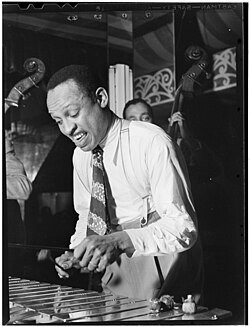
By the 1930s, the vibraphone transitioned from vaudeville stages to the heart of the jazz scene. This shift was largely driven by Lionel Hampton. In 1930, during a session with Louis Armstrong, Hampton played a vibraphone left in the studio, resulting in the recording of "Memories of You," which is widely regarded as the first improvised vibraphone solo.
In the classical world, the vibraphone was initially used to inject jazz influences into orchestral works. While Havergal Brian's 1917 opera The Tigers is the first known use, Ferde Grofé's Grand Canyon Suite (1931) is often cited as the first widely recognized piece. Other notable early adopters include Alban Berg in his opera Lulu (1935) and William Grant Still in his Afro-American Symphony (1935). Today, it remains a staple in theatrical scores, such as Leonard Bernstein's West Side Story.
Technical Characteristics and Construction
Bars and Tuning
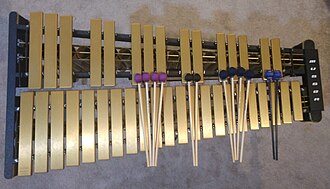
The heart of the instrument consists of metal bars that are beveled or rounded at the edges. Tuning is a precise process: if a bar is flat, material is removed from the ends to raise the pitch. Secondary and tertiary tones are then lowered by removing material from specific locations on the bar. Most manufacturers tune to A = 440 Hz, though A = 442 Hz is often preferred to help the instrument "cut through" a loud ensemble.
The Vibrato Mechanism
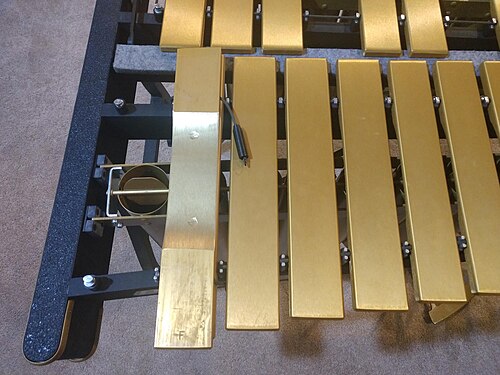
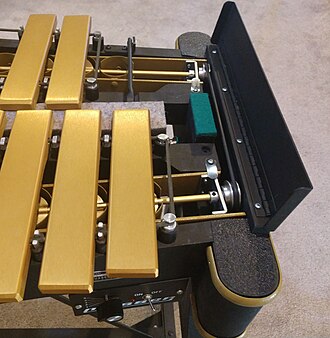
The vibraphone's most distinct feature is its motor-driven vibrato. A motor rotates rubber pulleys and discs within the resonators, periodically blocking and opening the airflow to create a pulsing volume effect. This is complemented by a damper pedal—similar to a piano pedal—that allows the player to control the sustain of the notes.
Playing Techniques
Mallet Grips and Styles
Vibraphonists use various mallet configurations depending on the musical requirement:
- Two-Mallet Style: Used for melodic lines and fast passages.
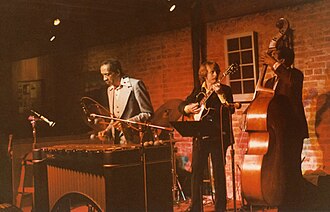
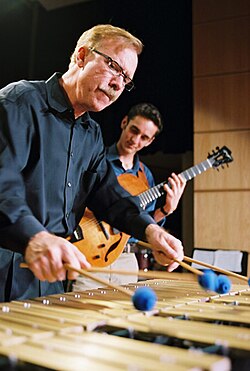
- Four-Mallet Style: Allows the player to play chords and harmony. Notable grips include the Burton Grip (developed by Gary Burton) and the palms-inward grip used by Milt Jackson.
- Extended Techniques: Some advanced players use five or six mallets, or even double bass bows to create sustained, haunting textures.
Summary of Vibraphone Specifications
| Feature | Standard Specification | Variations |
|---|---|---|
| Range | 3 Octaves (F3 to F6) | 3.5 or 4 Octaves (starting from C3) |
| Tuning | A = 440 Hz | A = 442 Hz (Brighter tone) |
| Classification | Keyboard Percussion | Hornbostel–Sachs 111.222 |
| Key Components | Metal bars, Resonators, Motor, Damper pedal | Varies by manufacturer |
Major Manufacturers
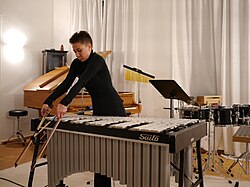
Historically, Deagan was the preferred brand for jazz legends like Lionel Hampton and Milt Jackson. Although Deagan went out of business in the 1980s, its patents were acquired by Yamaha, which continues to produce instruments based on those designs. Other prominent builders include Musser (now part of Ludwig Drum Company), Adams Musical Instruments, Marimba One, and Saito.
Frequently Asked Questions
What is the difference between a vibraphone and a marimba?
While both are keyboard percussion instruments, the vibraphone uses metal bars and an electric motor to create vibrato, whereas the marimba uses wooden bars and has a warmer, deeper tone without a mechanical vibrato system.
Who was the first person to improvise on the vibraphone?
Lionel Hampton is credited with the first instance of an improvised vibraphone solo in the 1930 recording of "Memories of You" with Louis Armstrong.
What does the motor in a vibraphone actually do?
The motor rotates discs inside the resonator tubes. This action periodically alters the resonance of the bar, creating the characteristic "shimmering" or pulsing volume effect known as vibrato.
Can the vibraphone be used in classical music?
Yes. While famous in jazz, it has been used by composers such as Alban Berg and William Grant Still, and is featured in modern concertos by Darius Milhaud, Ney Rosauro, and Emmanuel Séjourné.