US Postage Stamps: A Visual History of Featured Figures
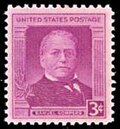
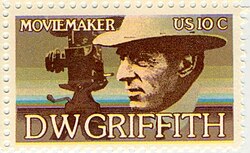
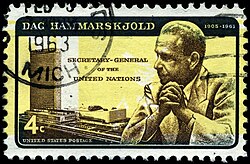
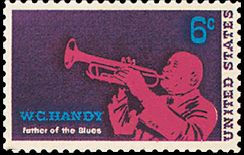
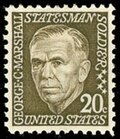
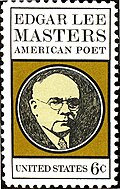
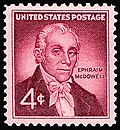
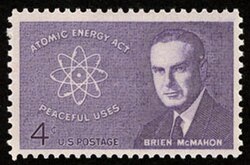
For nearly two centuries, the United States postal system has used postage stamps as more than just proof of payment. These small pieces of adhesive paper serve as a curated gallery of national identity, honoring the individuals who shaped the political, scientific, and cultural landscape of the world. From the very first issues in 1847 to modern commemoratives, the faces on US stamps reflect the evolving values and history of the nation.
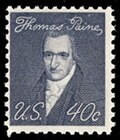
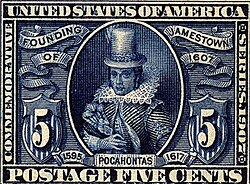
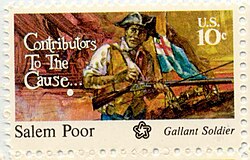
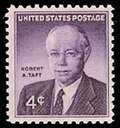
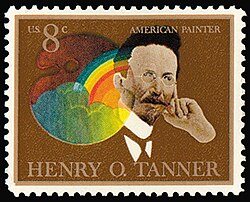
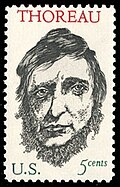
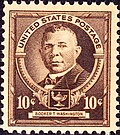
The process of featuring a person on a stamp—whether through a portrait or a likeness—is a mark of significant achievement. This collection spans a vast array of disciplines, including governance, the arts, civil rights, and exploration.
Key Facts
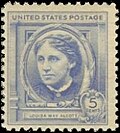
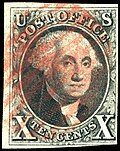
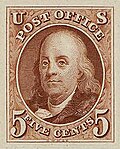
- First Issues: The first US stamps were released in 1847, featuring Benjamin Franklin and George Washington.
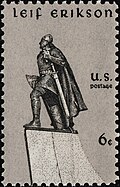
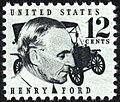
- Diverse Representation: Featured figures include US Presidents, international revolutionaries, Nobel laureates, athletes, and civil rights pioneers.
- Broad Disciplines: Honorees range from scientists like Nicolaus Copernicus to artists like Andy Warhol and musicians like Louis Armstrong.
- Historical Scope: Stamps commemorate figures from the Revolutionary War era to contemporary icons of the 21st century.
The Evolution of Presidential Portraits
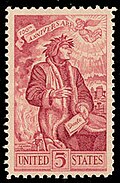
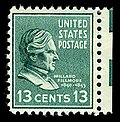
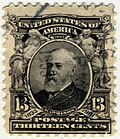
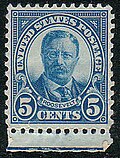
Presidents have traditionally been the most frequent subjects of US postage. The tradition began with George Washington, whose image appeared on the 1847 issue. Over time, the postal service expanded this to include nearly every president, often releasing series that honor them in chronological order or during significant anniversaries.
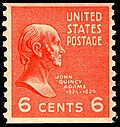
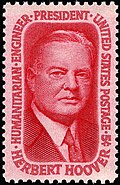
While early stamps focused on the founders, later issues highlighted leaders of different eras, such as the 1938 series featuring John Adams and John Quincy Adams, or the 1965 issue honoring Herbert Hoover.
Honoring Civil Rights and Social Justice
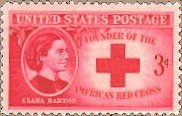
Postage stamps have played a crucial role in recognizing the struggle for equality. The US Postal Service has featured numerous civil rights advocates—individuals who campaigned for social justice and legal equality—such as Martin Luther King Jr. (1979) and Rosa Parks (2013).
The collection also honors the unsung heroes of the Underground Railroad, including operatives like William Still and Lewis Hayden, as well as abolitionists like Frederick Douglass.
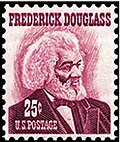
Cultural and Scientific Icons
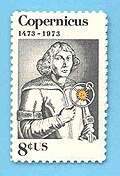
Beyond politics, stamps celebrate the intellectual and creative spirit. The scientific community is represented by figures like the astronomer Nicolaus Copernicus and the botanist George Washington Carver.
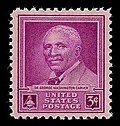
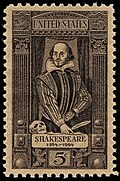
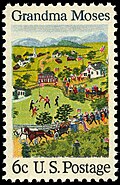
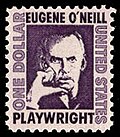
The arts are equally well-represented. Literary giants such as William Shakespeare and Mark Twain have been featured, while the visual arts are represented by pioneers like Georgia O'Keeffe and the abstract expressionists.
Global Influence and International Figures
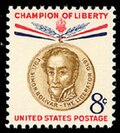
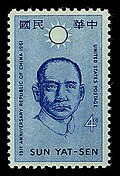
The US has also used its stamps to recognize international figures who influenced global history or maintained strong ties with the United States. This includes South American revolutionaries like Simón Bolívar and Chinese leader Sun Yat-sen.
Summary of Featured Figures by Category
| Category | Notable Examples | Example Issue Year |
|---|---|---|
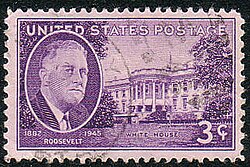
| Presidents | George Washington, Franklin D. Roosevelt | 1847, 1945 |
| Civil Rights | Martin Luther King Jr., Rosa Parks | 1979, 2013 |
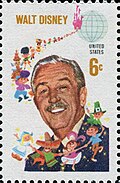
| Arts & Literature | Walt Disney, William Shakespeare | 1968, 1964 |
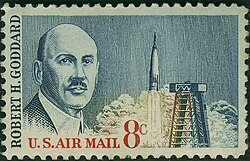
| Science & Exploration | Neil Armstrong, Robert H. Goddard | 1969, 1964 |
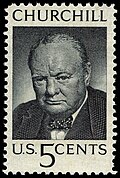
| International | Winston Churchill, Simón Bolívar | 1965, 1958 |
Frequently Asked Questions

Who appeared on the first US postage stamps?
The first US stamps, issued in 1847, featured Benjamin Franklin and George Washington.
Are non-US citizens featured on US stamps?
Yes, the US has featured various international figures, including Winston Churchill, Simón Bolívar, and Nicolaus Copernicus.
Which athletes have been honored on US stamps?
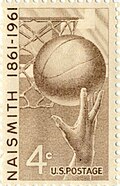
Many athletes have been featured, including baseball legends like Jackie Robinson and Hank Aaron, as well as basketball stars like Wilt Chamberlain.
Do stamps feature women in science and medicine?
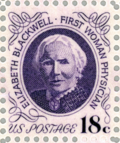
Yes, for example, Elizabeth Blackwell, the first female physician in the US, was featured on a 1974 stamp.
How are civil rights leaders recognized?
They are recognized through commemorative issues, such as those for Martin Luther King Jr., John Lewis, and various operatives of the Underground Railroad.