Urohidrosis: How Certain Birds and Seals Cool Down
In the animal kingdom, maintaining a stable internal body temperature is a constant challenge, especially for species living in hot climates. While humans rely on sweating to cool off, some animals have evolved far more unusual methods. One such biological strategy is urohidrosis, a specialized cooling mechanism where animals excrete fluids onto their extremities to lower their body temperature.
What is Urohidrosis?
Urohidrosis is the habit of certain animals defecating or urinating onto the scaly portions of their legs or flippers. This process utilizes evaporative cooling, where the evaporation of the liquid from the skin surface absorbs heat from the body, effectively lowering the animal's temperature.
In birds, this process is unique because of their anatomy. Birds excrete both feces and urine together through a single opening called the cloaca. When they perform urohidrosis, they are applying a mixture of these waste products to their legs to achieve a cooling effect.
The Origin of the Term
The word was coined in 1963 by M. P. Kahl. He derived the term from the Ancient Greek words ouron (meaning urine) and hidrōs (meaning sweat). Kahl suggested this terminology because the function of the behavior is strikingly similar to the medical process of hidrosis, which is the standard term for sweating.
Species That Exhibit Urohidrosis
While not common to all animals, this behavior is observed in specific groups that often face high thermal stress.
Birds
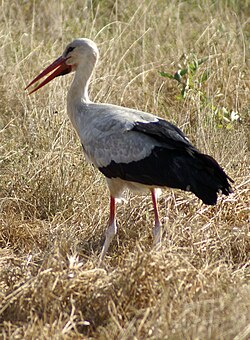
Several species of storks and New World vultures are known to use urohidrosis. For these birds, the scaly legs provide an ideal surface for the fluids to cling to and evaporate.
Marine Mammals
The term is also applied to a similar behavior found in seals. When basking in the sun, some seals will urinate on their hind flippers to regulate their temperature and prevent overheating.
| Animal Group | Specific Examples | Cooling Surface | Fluid Used |
|---|---|---|---|
| Birds | Storks, New World Vultures | Scaly legs | Combined feces and urine |
| Mammals | Seals | Hind flippers | Urine |
Potential Risks for Ringed Birds
While urohidrosis is a natural survival mechanism, it can create complications for birds that have been captured and tagged for research. When birds wear leg rings, the droppings can accumulate around the bands. This buildup of waste material can lead to skin irritation or physical injury to the bird.
Key Facts
- Urohidrosis is a form of thermoregulation using evaporative cooling.
- The term was coined by M. P. Kahl in 1963, combining the Greek words for urine and sweat.
- Birds excrete the necessary fluids via the cloaca.
- Commonly observed in New World vultures and various stork species.
- Seals use a similar method by urinating on their hind flippers while basking.
- Accumulation of waste around research leg bands can cause injuries in ringed birds.
Frequently Asked Questions
What exactly is urohidrosis?
It is a cooling behavior where animals excrete urine or a mix of feces and urine onto their legs or flippers to lower their body temperature through evaporation.
Why do birds use their droppings to cool down?
Because birds lack sweat glands like humans do, they use the evaporation of fluids from their scaly legs as an alternative way to release excess body heat.
Which birds are most likely to perform this behavior?
This behavior is most frequently documented in storks and vultures from the New World.
Do mammals also practice urohidrosis?
Yes, certain seals exhibit an analogous behavior by urinating on their hind flippers while basking in the sun.
Can urohidrosis be harmful?
In the wild, it is a natural cooling mechanism. However, for birds with artificial leg rings, the accumulation of droppings around the ring can lead to injuries.