Cloaca: The Multifunctional Anatomy of Vertebrates
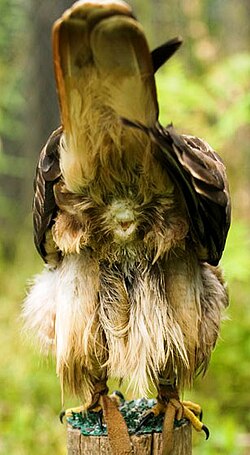
In the diverse world of animal biology, the cloaca (from the Latin cluo, meaning "to cleanse," and the noun cloaca, meaning "sewer" or "drain") serves as a remarkable example of biological efficiency. For many vertebrate species, the cloaca is a single posterior orifice that acts as the common exit for the digestive, reproductive, and urinary tracts.
While most humans and placental mammals have separate openings for these functions, a vast array of animals—including birds, reptiles, amphibians, and certain fish—rely on this all-in-one system for excretion and mating.
Key Facts
- Definition: A single rear opening used for the digestive (rectum), reproductive, and urinary systems.
- Occurrence: Found in all amphibians, reptiles, birds, cartilaginous fish, and some mammals.
- Reproduction: Many birds use a "cloacal kiss" to transfer sperm.
- Respiration: Certain turtles and sea cucumbers use the cloaca to absorb oxygen from water.
- Mammalian Development: Most placental mammals have a cloaca during the embryonic stage before it divides into separate tracts.
The Cloaca in Birds and Fish
Avian Reproduction and Thermoregulation
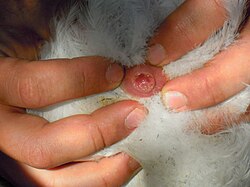
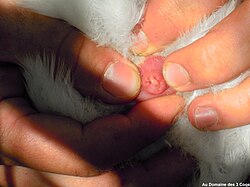
Birds primarily use the cloaca for reproduction. In most species, this occurs via a cloacal kiss, where the male and female touch their cloacae together for a few seconds to transfer sperm. However, waterfowl and palaeognaths differ, as males in these groups possess a phallus. Beyond reproduction, some birds have been found to use the cloaca as a mechanism for cooling the body.
Fish Variations
The presence of a true cloaca in fish is limited. It is found in lobe-finned fishes and elasmobranchs (sharks and rays). In contrast, most teleosts and chimaeras have entirely separate openings. Lampreys and some ray-finned fishes retain a partial cloaca to receive reproductive and urinary ducts, though their anus remains a separate opening.
Mammalian Evolution and Development
Monotremes and Marsupials
Most mammals lack a cloaca, but there are notable exceptions. Monotremes (egg-laying mammals) possess a true cloaca. In marsupials, the genital tract is separate from the anus, though an external trace of the original cloaca remains. Marsupial moles are a rare exception among marsupials, possessing a true cloaca.
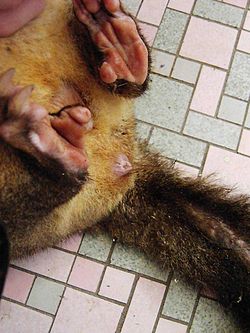
Placental Mammals and Embryology
In placental mammals, the cloaca is a temporary feature of the embryo. During development, the embryonic cloaca divides: the posterior region becomes the anus, while the anterior region becomes the penile urethra in males or the urogenital sinus (receiving the vagina and urethra) in females.
While most adults lack this structure, some placental mammals—such as pikas, beavers, certain shrews, and members of the order Afrosoricida—retain a cloaca into adulthood. In humans, a cloaca may persist after birth due to rare congenital disorders such as sirenomelia (mermaid syndrome) or persistent cloaca.
![Diagrams to illustrate the changes in the cloaca in mammals during development. A, early embryonic stage, showing the cloaca receiving the urinary bladder, the rectum, and the Wolffian duct, as in non-therian vertebrates. B, later stage, showing the beginning of the fold which divides the cloaca into a ventral urogenital sinus which receives the urinary bladder, Wolffian ducts, and ureters, and into a dorsal part which receives the rectum. C, further progress of the fold, dividing the cloaca into urogenital sinus and rectum; the ureter has separated from the Wolffian duct and is shifting anteriorly. D, completion of the fold, showing complete separation of the cloaca into ventral urogenital sinus and dorsal rectum.[14]](/images/bd/4d/bd4d9a7245da62e01a90468d2b04c6957b098b65ed266dd68f670942af08da0d.jpg)
Reptiles and Specialized Functions
In reptiles, the cloaca is divided into three sections: the urodeum, proctodeum, and coprodeum. Beyond excretion and reproduction, some reptiles have evolved the cloaca for specialized survival needs.
Cloacal Respiration
Certain animals use the cloaca for gas exchange, a process known as cloacal respiration. Diving turtles often rely on accessory air bladders connected to the cloaca to absorb oxygen from the water during long dives. Similarly, sea cucumbers use cloacal respiration to maintain a constant flow of water, which even provides a protected habitat for various crabs, worms, and fish.
Summary of Cloacal Occurrence
| Animal Group | Cloaca Status | Notes |
|---|---|---|
| Amphibians & Reptiles | Present | Used for excretion, mating, and sometimes respiration. |
| Birds | Present | Used for "cloacal kissing" and thermoregulation. |
| Cartilaginous Fish | Present | Found in sharks and rays. |
| Monotremes | Present | True cloaca in egg-laying mammals. |
| Placental Mammals | Mostly Absent | Present in embryos; retained in beavers, pikas, and Afrosoricids. |
| Invertebrates | Analogous | Some species have similar excretory openings. |
Frequently Asked Questions
What is a cloacal kiss?
A cloacal kiss is the method of mating used by most birds, where the male and female press their cloacae together to allow the transfer of sperm from the male to the female.
Do all mammals lack a cloaca?
No. While most placental mammals do not have one as adults, monotremes and marsupial moles possess a true cloaca. Additionally, some placental mammals like beavers and pikas retain one.
How do turtles breathe through their cloaca?
Some diving turtles have accessory air bladders connected to the cloaca that can absorb oxygen directly from the surrounding water, allowing them to stay submerged longer.
What happens to the cloaca during human development?
In human embryos, the cloaca is a temporary structure that eventually divides into the anus and the urogenital tracts (the urethra and, in females, the vagina).
Which fish have a true cloaca?
A true cloaca is found in lobe-finned fishes and elasmobranchs, such as sharks and rays.