Urban Open Space: Definitions, Benefits, and Planning
In the heart of every bustling city, the gaps between the concrete and steel serve a vital purpose. Urban open space—also referred to as urban space or open space—is land left within a building site that connects to roads and provides the public with essential areas for rest and access. Unlike indoor facilities, these spaces are outdoor environments that often incorporate vegetation, offering a necessary reprieve from the density of city living.
While the term is widely used, its definition can be ambiguous. It encompasses a diverse range of environments, including urban parks, squares, greenways, and even highways. At its core, the concept of "openness" requires that these areas be accessible to citizens for relaxation and public use.
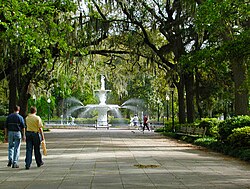
Defining Urban Open Space
Depending on the perspective—whether ecological, legal, or social—the definition of urban open space shifts. Some experts view it as a natural and cultural resource that is neither "unused land" nor simply a synonym for recreational parks. Others define it as land or water open to the sky on the surface, which is intentionally acquired or regulated to facilitate conservation, entertainment, and the shaping of the urban landscape.
Many of these areas overlap with urban green space (areas characterized by vegetation). However, not all green spaces are publicly owned or supervised, yet they may still be classified as urban open spaces if they remain accessible.
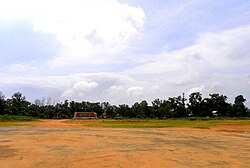
The Social Perspective
From a social standpoint, public spaces are seen as gathering points outside of the home and workplace. These areas promote interaction among residents and foster a sense of proximity and connection. In this context, the focus shifts from who owns or manages the land to the level of community participation and interaction it enables.
The Legal Foundation
The modern legal framework for open space began with the Metropolitan Open Spaces Act 1877 in the United Kingdom. By 1906, the law provided a specific technical definition: open space refers to any land where there are no buildings, or where building coverage does not exceed one-twentieth of the area. Such land may be enclosed or not, and it is used for entertainment, landscaping, or may remain unoccupied.
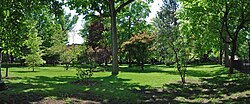
Public vs. Privately-Owned Public Spaces
To encourage land developers and private businesses to contribute to the city's livability, some governments use "incentive open space" measures. Under these agreements, private owners provide public spaces within their private properties in exchange for additional reward capacity (such as increased building height or density).
These areas are known as Privately-Owned Public Spaces (POPS). While they serve the public, they differ from traditional public open spaces in terms of ownership and management.
Key Facts
- Diverse Forms: Includes parks, squares, greenways, and highways.
- Legal Origin: The Metropolitan Open Spaces Act 1877 (UK) was the first legal regulation of its kind.
- POPS: Privately-Owned Public Spaces are created by developers in exchange for government incentives.
- Biodiversity Link: The psychological benefits of these spaces increase as biodiversity increases.
- Technical Limit: Under the 1906 UK law, building coverage must be 5% (one-twentieth) or less to qualify as open space.
The Benefits of Urban Open Spaces
The value provided by these spaces to city dwellers can be categorized into three primary areas:
- Recreational: Providing areas for exercise, play, and leisure.
- Ecological: Supporting urban wildlife and environmental health.
- Aesthetic: Improving the visual appeal of the urban environment.
Research indicates that simply having "green" areas is not enough for maximum psychological benefit; the quality of the space, specifically its level of biodiversity, significantly impacts the well-being of visitors.
| Space Type | Ownership | Primary Purpose | Key Characteristic |
|---|---|---|---|
| Public Open Space | Government/Public | Public access & recreation | Publicly managed |
| POPS | Private | Public use via incentive | Privately managed |
| Urban Green Space | Mixed | Ecological & aesthetic | Vegetation-focused |
Frequently Asked Questions
What exactly is an urban open space?
It is an outdoor area within a city—such as a park, square, or greenway—that is open to the sky and accessible to the public for relaxation, recreation, or conservation.
What are POPS?
POPS stands for Privately-Owned Public Spaces. These are areas on private property that the owner allows the public to use, usually in exchange for development incentives from the local government.
Does any green area count as an urban open space?
Generally, yes. While many urban open spaces are green, some may not be. Conversely, some green spaces are considered urban open spaces even if they are not publicly owned, provided they meet the criteria for openness.
How does biodiversity affect the value of a park?
The psychological benefits for visitors increase as the biodiversity of the space increases, meaning that a variety of plant and animal life is more beneficial than a simple, uniform green area.
Where did the legal definition of open space originate?
The modern concept was first legally defined in the United Kingdom through the Metropolitan Open Spaces Act of 1877.