Urban Heat Island Effect: Causes, Impacts, and Mitigation Strategies
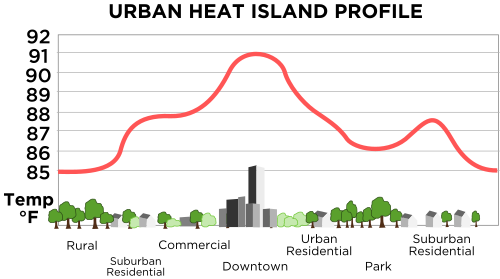
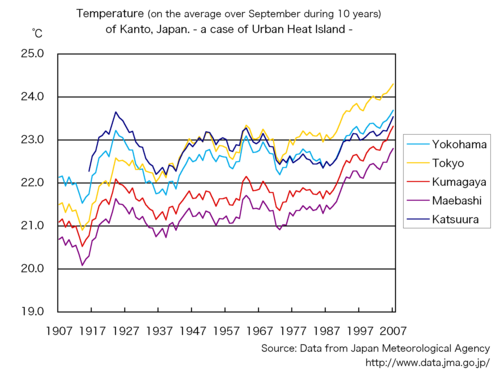
As the world continues to urbanize, our cities are becoming more than just hubs of commerce and culture; they are becoming thermal hotspots. The urban heat island (UHI) effect is a meteorological phenomenon where urban areas experience significantly warmer temperatures than the surrounding rural landscapes. While cities occupy only about 0.5% of the Earth's land surface, they house more than half of the global population, making the management of urban temperatures a critical challenge for public health and environmental sustainability.
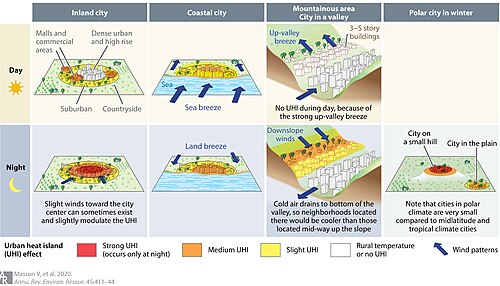
This temperature disparity is most pronounced during the summer and winter, particularly when winds are weak. Interestingly, the UHI effect is often more intense at night, as the dense materials of a city slowly release the heat they absorbed throughout the day.
Key Facts
- Primary Cause: Modification of land surfaces (replacing nature with concrete and asphalt).
- Secondary Cause: Waste heat generated by energy usage in buildings and transport.
- Diurnal Pattern: Temperature differences are typically larger at night than during the day.
- Environmental Impact: Increases the length of growing seasons but decreases air and water quality.
- Energy Cost: In the U.S., approximately 15% of energy is spent on air conditioning within these heat islands.
The Mechanics of Urban Heat
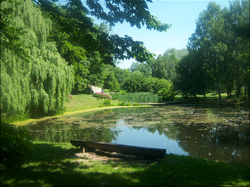
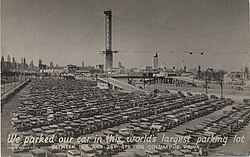
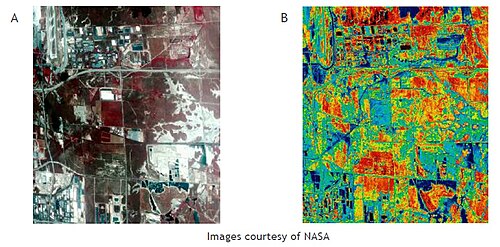
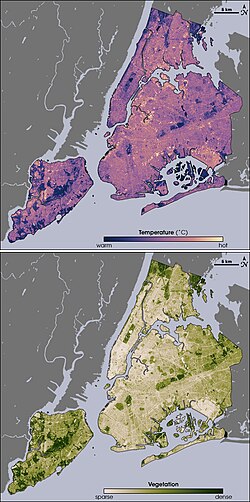
The UHI effect is driven primarily by the physical characteristics of the built environment. In rural areas, vegetation and soil provide natural cooling through evaporative cooling—the process where water evaporates from leaves and soil, absorbing heat from the air. In contrast, cities are dominated by impervious surfaces like asphalt and concrete, which absorb solar radiation and retain it.
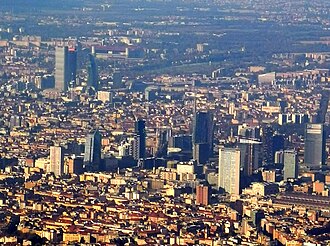
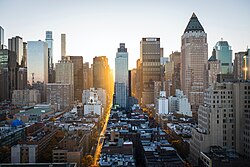
Dense urban living, characterized by high-rise buildings and a lack of green space, exacerbates this effect. Tall structures can trap heat within "urban canyons," preventing it from escaping into the atmosphere.
The Role of Urbanization
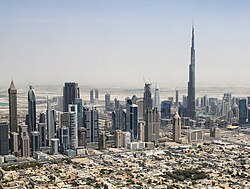
As population centers grow, they expand their physical footprint. This increased urbanization leads to a higher concentration of heat-absorbing materials and a rise in anthropogenic heat—waste heat produced by cars, air conditioners, and industrial machinery.
Environmental and Health Impacts
The consequences of the UHI effect extend beyond mere discomfort. The elevated temperatures alter local weather patterns, often leading to increased rainfall downwind of major cities.
Air and Water Quality
Higher temperatures accelerate the production of pollutants, such as ozone, which degrades air quality. Furthermore, as rainwater flows over hot pavement, it warms up before entering local streams, putting significant stress on aquatic ecosystems and reducing water quality.
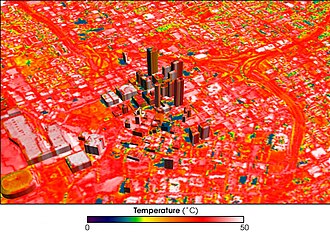
Human Health and Energy Demand
Extreme urban heat poses risks to human health, particularly for vulnerable populations. This has led to a surge in energy demand; reports indicate that air conditioning demand rose by 10% over a 40-year period ending in 1998.
Strategies for Cooling the City
Mitigating the UHI effect requires a combination of urban planning and innovative materials. The goal is to increase the city's albedo (the ability of a surface to reflect sunlight) and restore natural cooling processes.
Green Infrastructure
Integrating nature back into the city is one of the most effective solutions. Tree cover and parks provide essential shade and promote evaporative cooling.
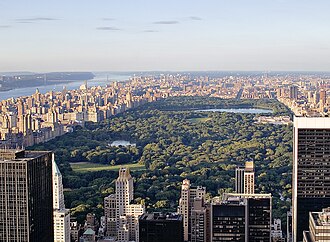
Other green solutions include:
- Green Roofs: Planting vegetation on rooftops to insulate buildings and cool the air.
- Bioswales: Landscaped depressions that manage runoff and provide cooling.
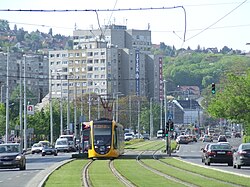
- Grassed Tramways: Replacing concrete tracks with grass to reduce heat absorption.
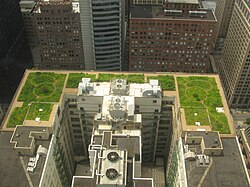
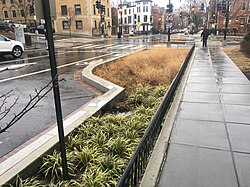
Reflective Materials and Design
Using lighter-colored surfaces, such as white reflective roofs or light-colored concrete, helps reflect sunlight away from the city rather than absorbing it as heat.
Additionally, cities can implement ventilation corridors to allow wind to flush out hot air, or use street awnings to provide passive shade for pedestrians.

Summary of UHI Characteristics and Solutions
| Feature | Rural Areas | Urban Heat Islands | Mitigation Strategy |
|---|---|---|---|
| Surface Material | Vegetation, Soil | Asphalt, Concrete | Cool roofs, Light concrete |
| Cooling Mechanism | Evapotranspiration | Limited/Artificial | Urban reforestation, Green roofs |
| Heat Retention | Low | High (especially at night) | Ventilation corridors |
| Energy Use | Lower cooling needs | High AC demand | Passive radiative cooling |
Frequently Asked Questions
Why are cities hotter at night than during the day?
Urban materials like concrete and brick have high thermal mass, meaning they absorb large amounts of heat during the day and release it slowly as the air cools, keeping nighttime temperatures elevated.
How does the UHI effect impact rainfall?
The increased heat in urban centers can influence atmospheric pressure and convection, which often results in greater monthly rainfall in areas located downwind of the city.
What is a "cool roof"?
A cool roof is a roof designed to reflect more sunlight and absorb less heat than a standard roof, often achieved through the use of white or light-colored reflective materials.
Can all cities experience the UHI effect?
Not all cities have a distinct heat island. The intensity and characteristics of the effect depend heavily on the city's local environment, topography, and the background climate of the region.
What is the role of a Chief Heat Officer?
Chief Heat Officers are officials appointed by cities to manage urban heat risks, develop resilience strategies, and implement cooling initiatives to protect citizens from extreme heat waves.