The Biology of Turions: Nature's Resilient Survival Buds
In the diverse world of botany, plants have developed various ingenious ways to survive harsh environmental changes. One such specialized structure is the turion. Derived from the Latin word turio, meaning "shoot," a turion is a type of bud that possesses the unique ability to grow into a complete, independent plant.
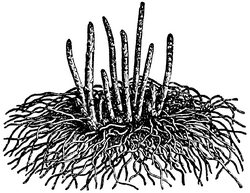
Turions can manifest in different forms depending on the species. Some plants produce turions below the soil surface, acting as underground buds. For instance, many members of the genus Epilobium are known to produce these structures at or below ground level to ensure their survival through unfavorable seasons.
Survival Strategies in Aquatic Environments
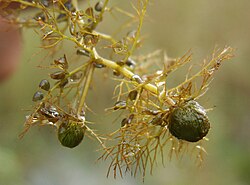
While some turions remain underground, many aquatic plant species rely on them for overwintering. This is particularly common in several botanical genera, including Potamogeton, Myriophyllum, Aldrovanda, and Utricularia. These plants typically produce turions as a biological response to environmental stressors, such as a reduction in temperature or a decrease in day-length.
Energy Storage and Structure
Biologically, turions are derived from modified shoot apices—the growing tips of a plant stem. To support their ability to regrow, these buds are often highly enriched with starch and sugars, allowing them to function effectively as storage organs. This concentrated energy reserve is vital for the plant to rebuild itself once favorable conditions return.
The Science of Sinking and Temperature Regulation
Although turions are hardy and resistant to frost, their most critical adaptation is their ability to sink to the bottom of a pond or lake when surface water begins to freeze. This strategy relies on a unique property of water: it expands anomalously (deviating from the standard pattern) as it cools. Because water is densest at 4 °C (39 °F), this relatively warmer, denser water remains at the bottom of the water body.
By sinking into this denser, warmer layer, turions can overwinter safely away from the freezing surface. Once spring arrives, the plants rise again to continue their life cycle. In some specific cases, such as with Potamogeton crispus, turions also exhibit drought resistance, which enables the plant to survive even in temporary pools that may dry up.
Key Facts
- Definition: A turion is a specialized bud capable of developing into a full plant.
- Composition: They are derived from modified shoot apices and are rich in starch and sugars.
- Triggers: Production is often caused by falling temperatures or shorter days.
- Aquatic Adaptation: They sink to the bottom of lakes to stay in the densest, warmest water (4 °C).
- Versatility: Some species can survive both freezing water and drought conditions.
| Feature | Turion | Bulbil |
|---|---|---|
| Primary Function | Survival and regeneration | Reproduction and storage |
| Key Characteristic | Modified shoot apices | Specialized storage leaves |
Frequently Asked Questions
What exactly is a turion?
A turion is a specialized plant bud that can grow into a complete plant. It often serves as a storage organ to help the plant survive through difficult periods.
What environmental factors trigger the production of turions?
Plants typically produce turions in response to unfavorable conditions, most notably decreasing temperatures and the reduction of day-length.
How do aquatic turions survive freezing temperatures?
Turions sink to the bottom of lakes or ponds. Because water is densest at 4 °C (39 °F), the bottom layer remains warmer and more stable, protecting the turions from the ice forming at the surface.
Are turions the same as bulbils?
No. While they may look similar, bulbils are distinguished by having specialized storage leaves, whereas turions are derived from modified shoot apices.
Can turions help plants survive a lack of water?
Yes, some species, such as Potamogeton crispus, produce turions that exhibit drought resistance, allowing them to survive in temporary pools.